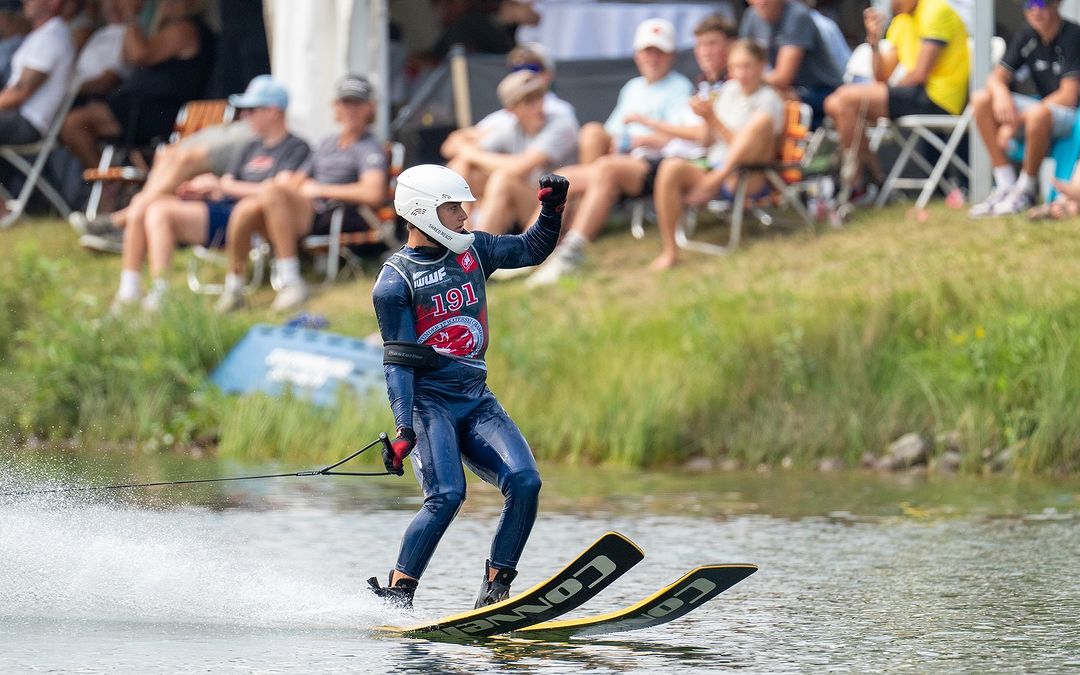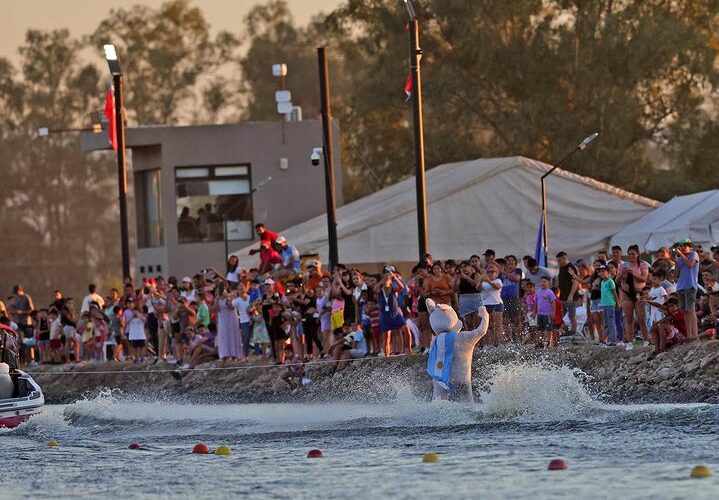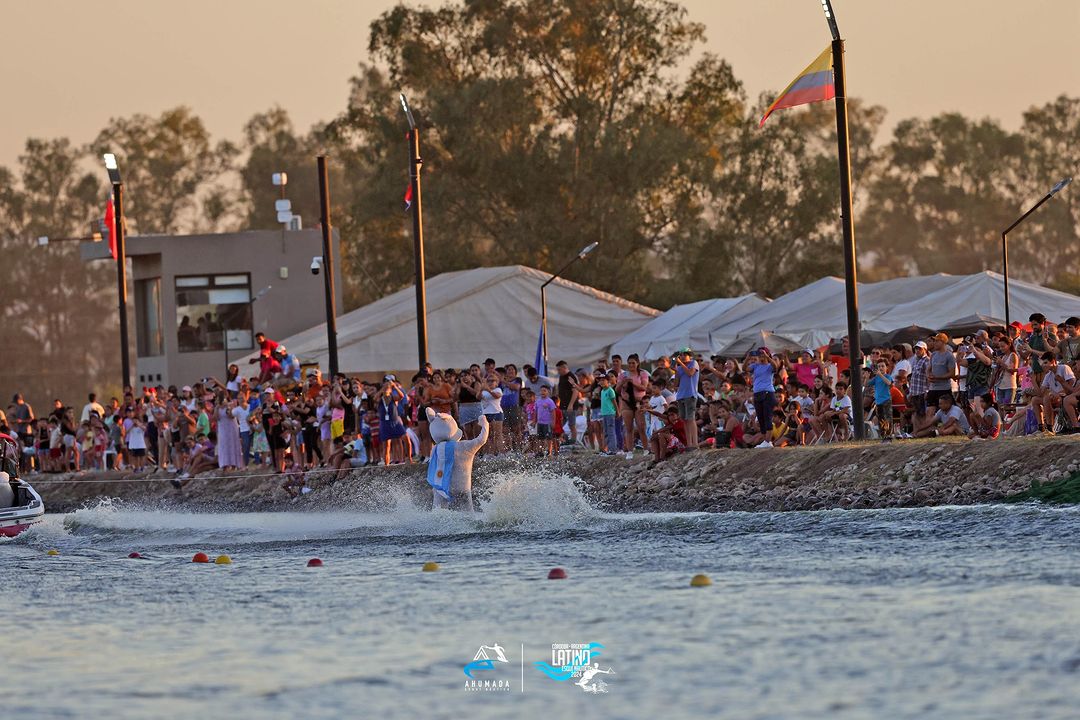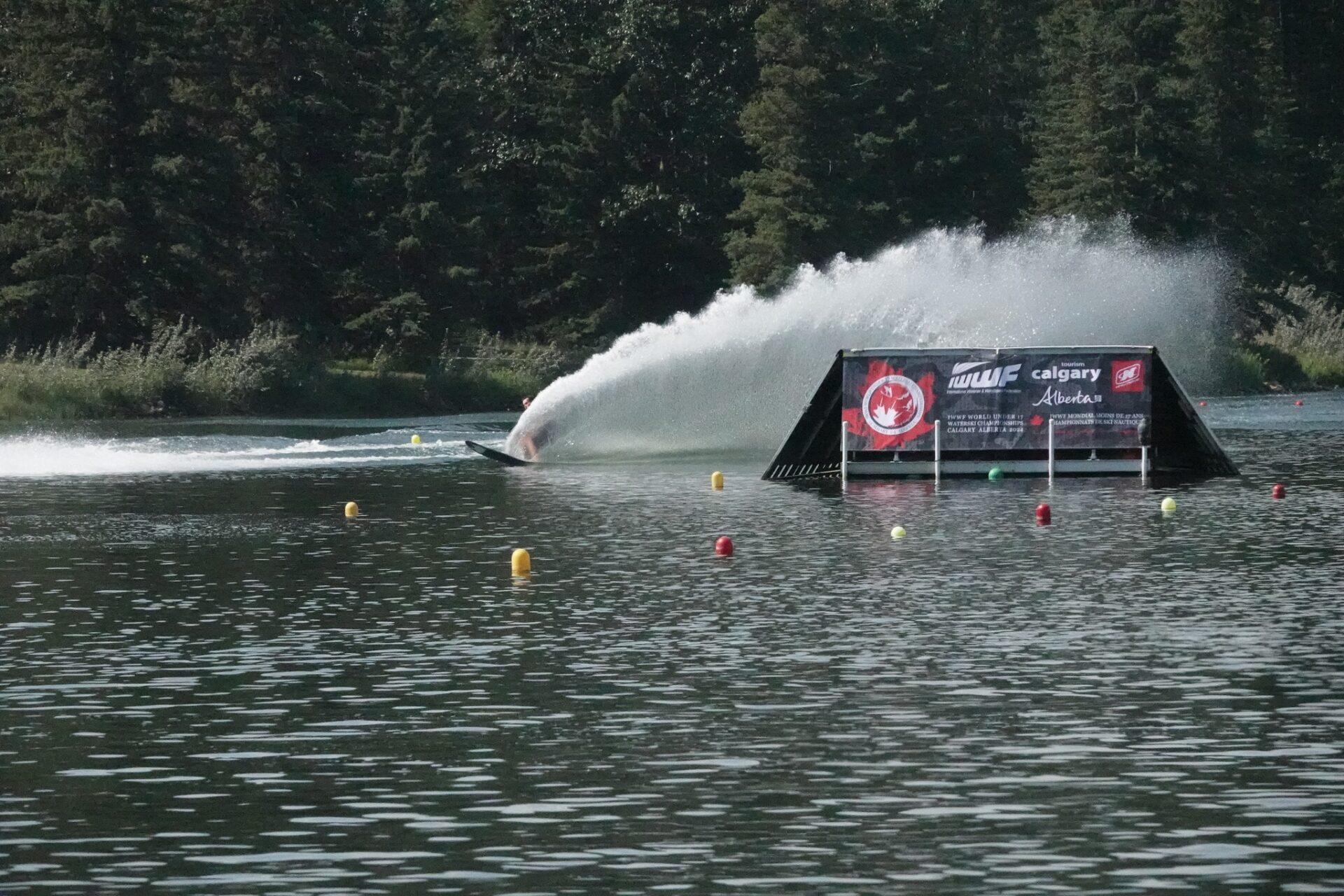
Ahumada club de esquí náutico – u17waterskiworlds

Meet the Rising Stars To Watch at the Under-17 World’s This Week

News

Meet the rising stars to watch at the Under-17 World Championships this week
Ahumada club de esquí náutico – u17waterskiworlds

Image: @ahumada_esqui_nautico

By Jack Burden


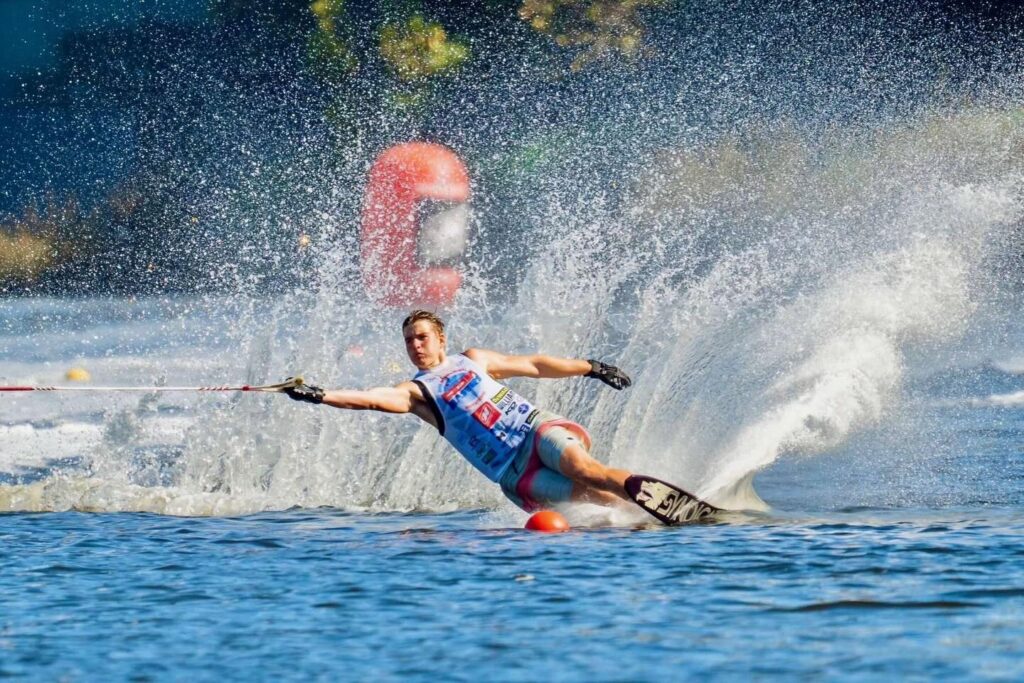
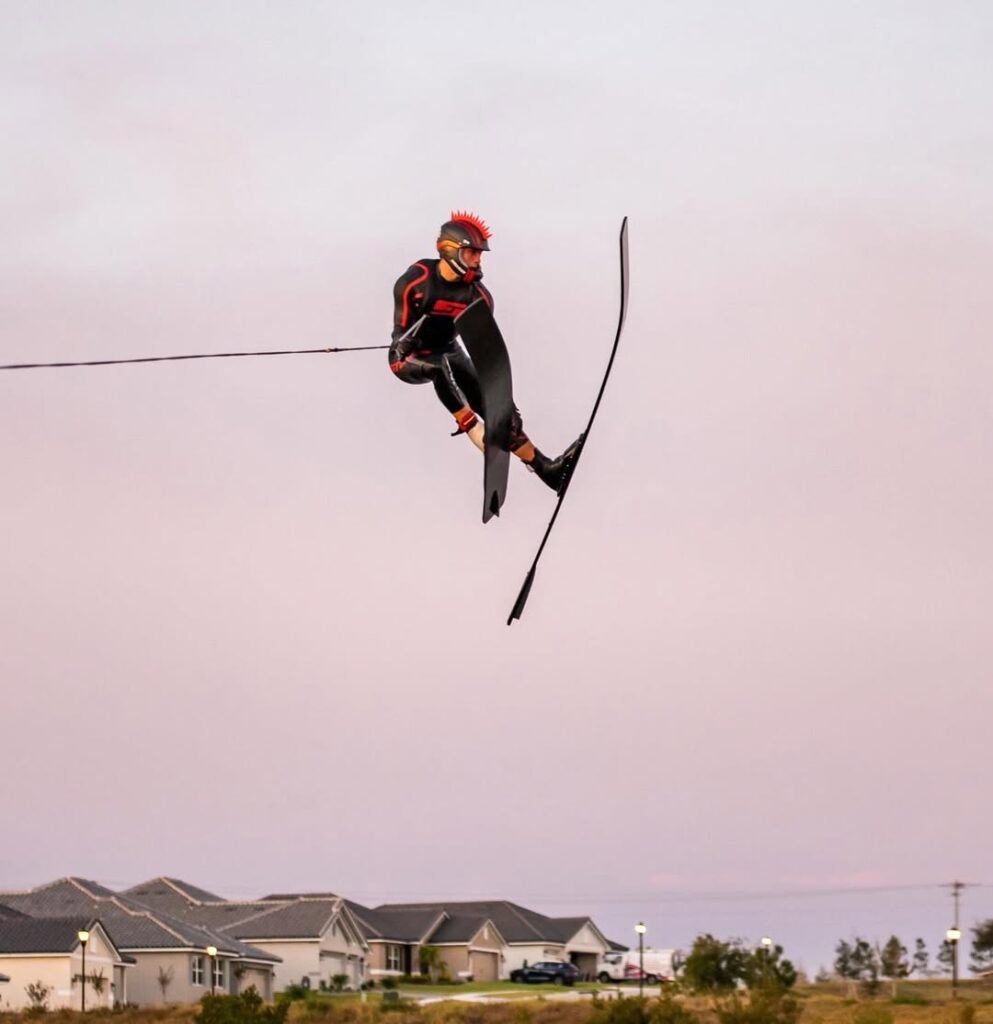
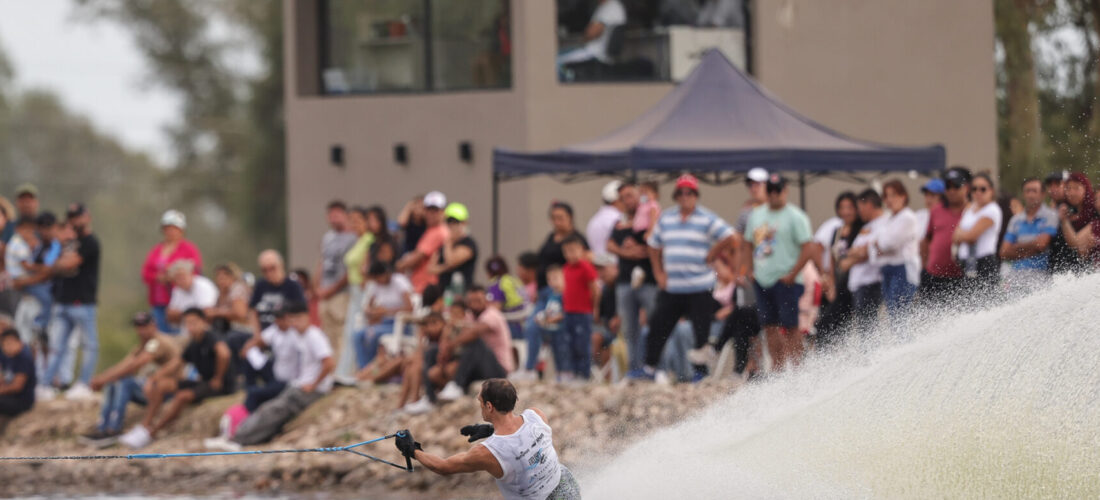
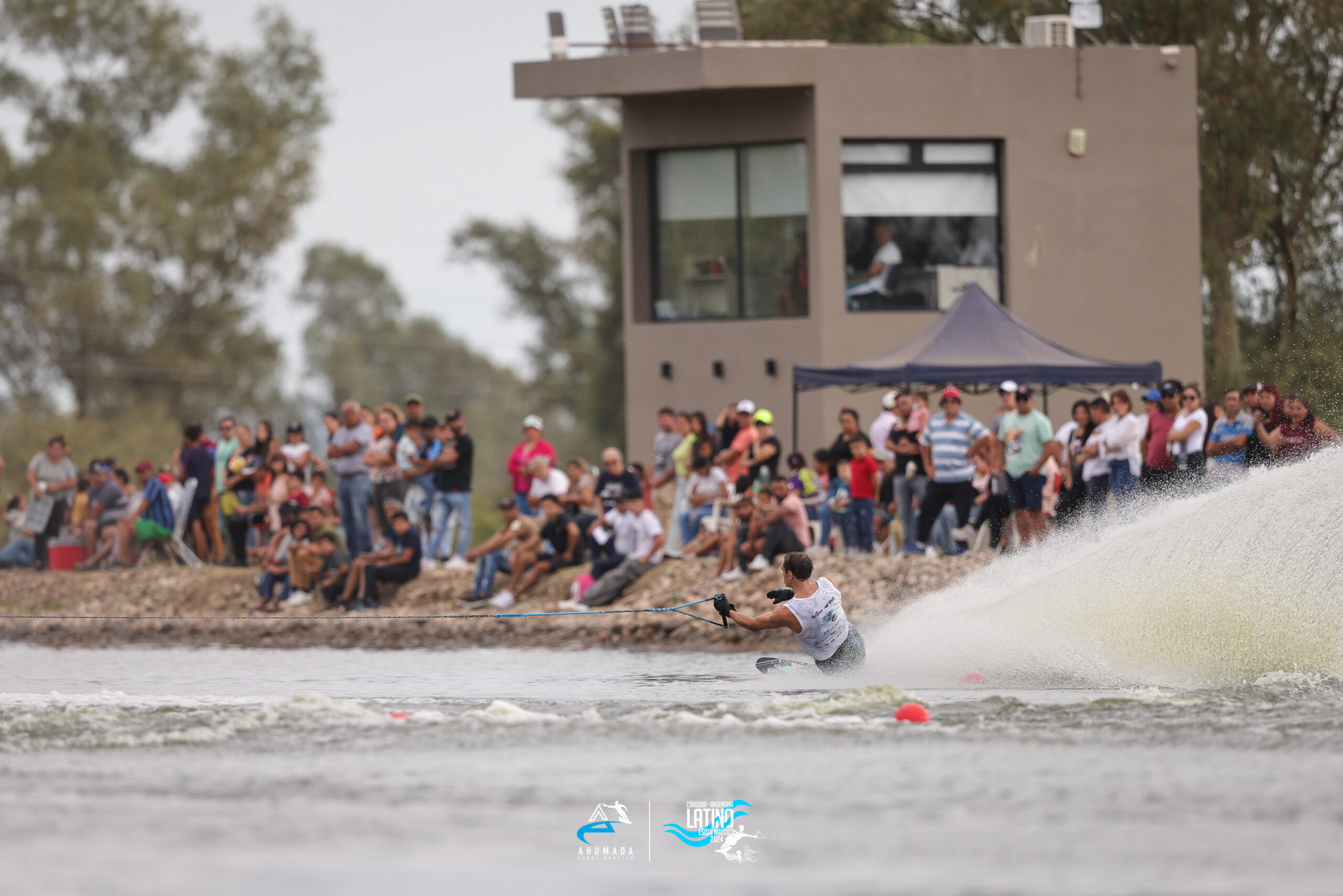
The Under-17 World Championships kick off this week in Córdoba, Argentina, bringing together the world’s top junior water skiers. First held in 1986, the biennial event has long served as a launchpad for the sport’s future stars.

Ahumada Esquí Náutico will host the first World Championships ever staged in Argentina this Easter weekend, with the venue poised to deliver standout performances across all three disciplines.

Here are nine skiers to keep an eye on:
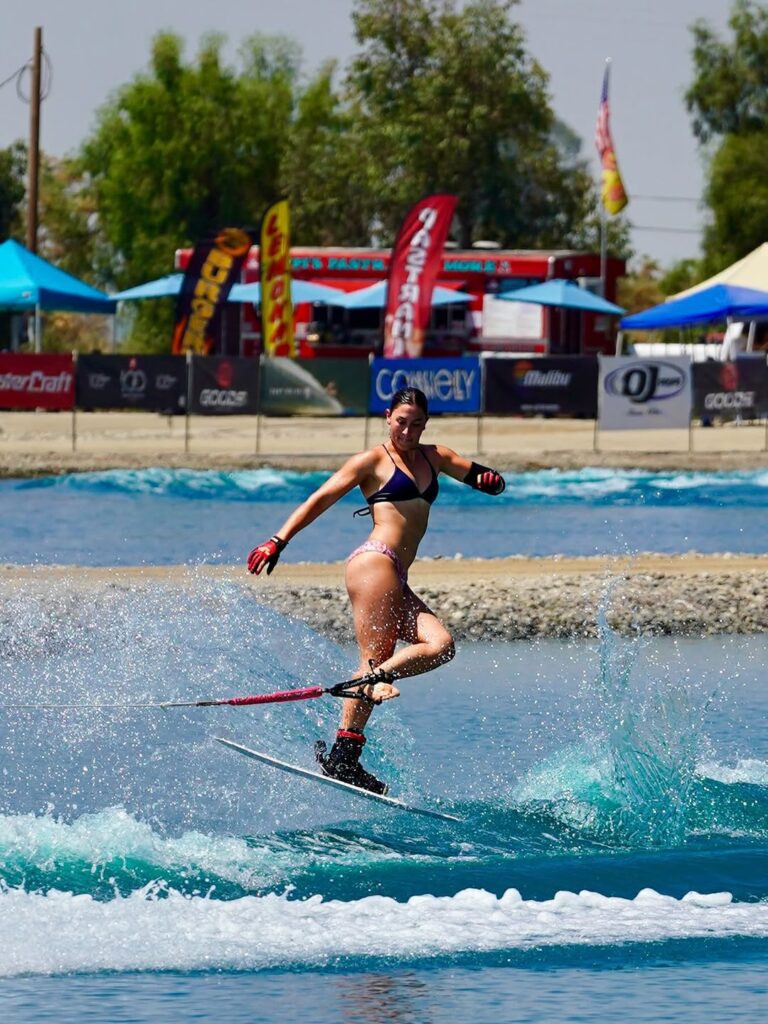
Alexia Abelson tricks at the 2025 US Water Ski National Championships

Image: @bretellisphotography

Alexia Abelson (USA)

The sole defending champion from the previous edition in Canada, the 15-year-old American arrives as the favorite in three of four events—and you’d be brave to bet against her leaving Córdoba without hardware. The younger sister of world record holder Jake Abelson, Alexia has already collected professional podiums in three disciplines, most recently finishing runner-up to Regina Jaquess in slalom at the Moomba Masters. Expect her to add another junior world title to her résumé before the weekend is out.

Under-17 World Rankings:

  • Slalom: 1st (5@11.25m)
  • Tricks: 1st (9,100 points)
  • Jump: 7th (34.0 meters)
  • 1st Overall
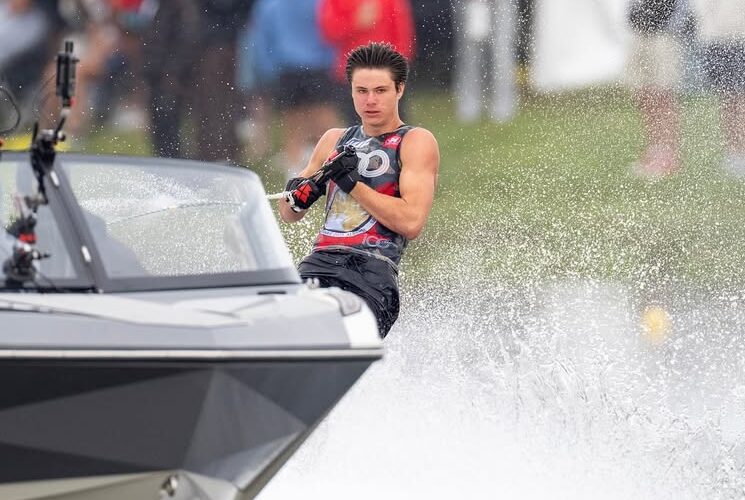
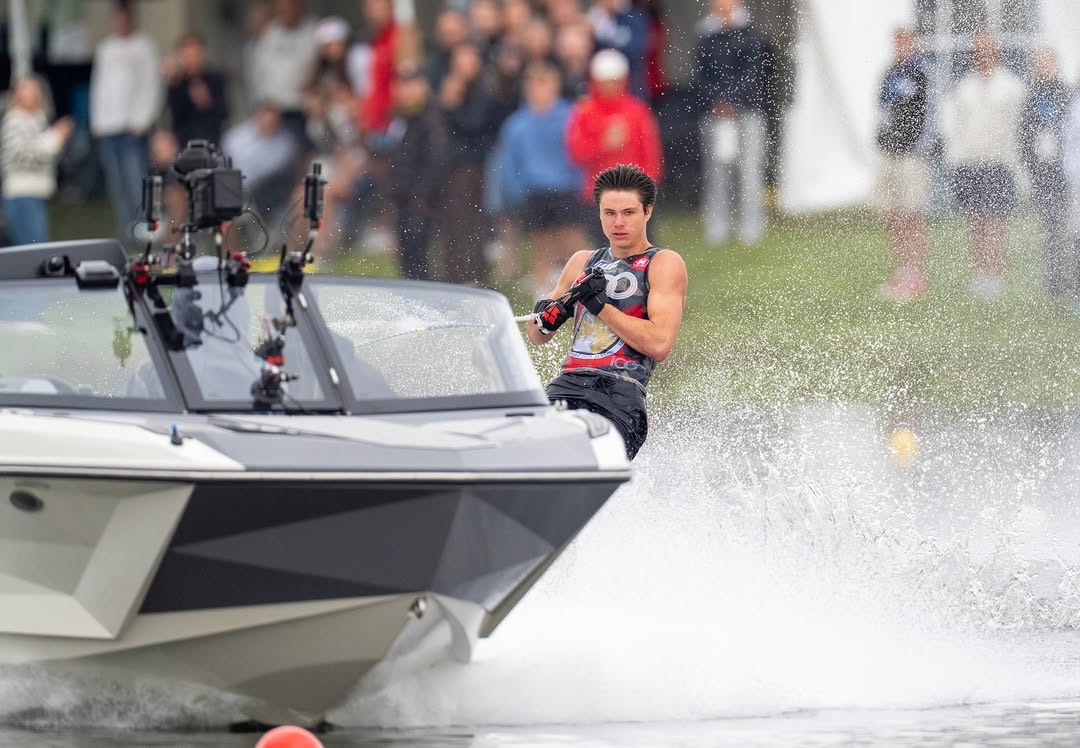
@ahumada_esqui_nautico

Image: @matiasfotografia

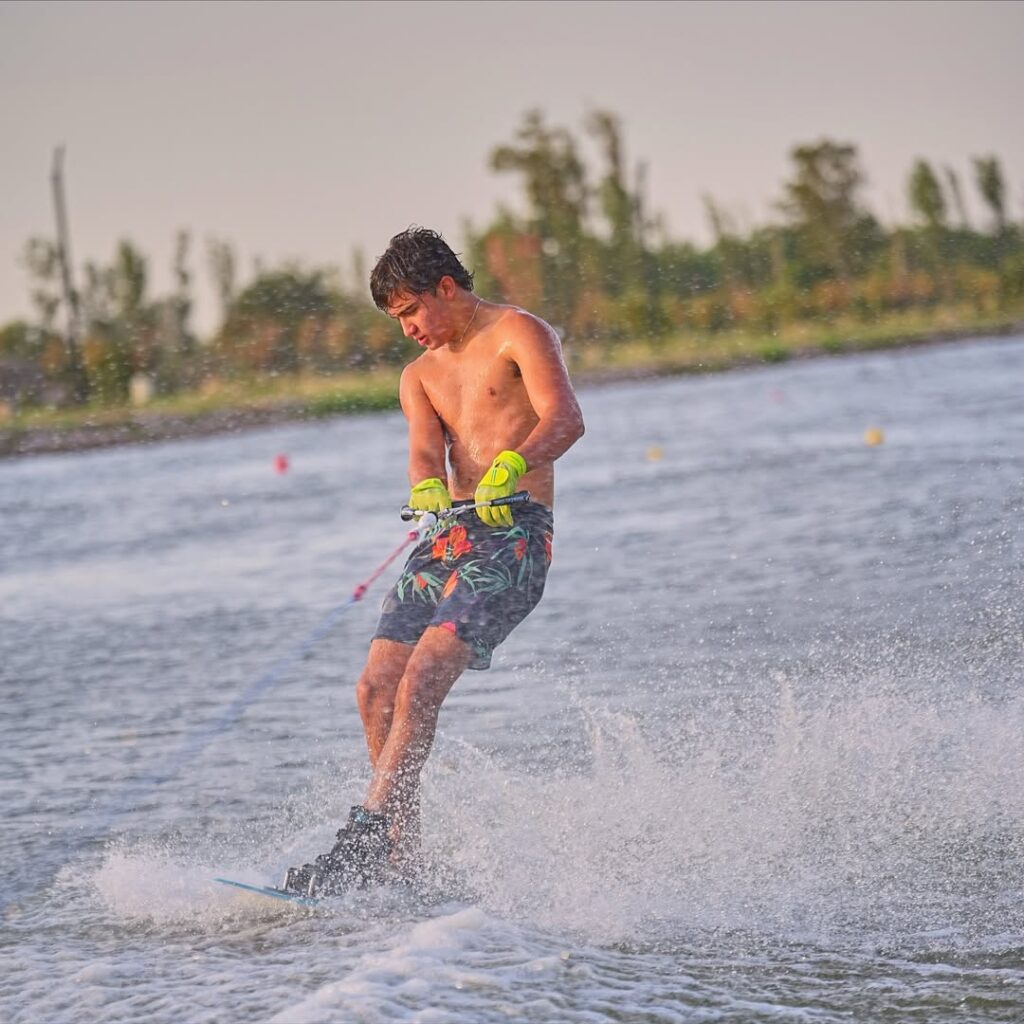
Bautista Ahumada (ARG)

Skiing on his home lake, Ahumada enters as the favorite in boys’ tricks—the only skier with a personal best over 10,000 points—but also a genuine contender in slalom. The young Argentine has built a strong international résumé, with titles at both the U.S. Junior Masters (slalom) and Junior Moomba Masters (tricks). Backed by what should be a lively home crowd, he’ll be one to watch in both events.

Under-17 World Rankings:

  • Slalom: 3rd (3@10.75m)
  • Tricks: 1st (10,460 points)
Ioannis Kousathanas

Image: IWWF

Ioannis Kousathanas (GRE)

The true dark horse of these championships, Kousathanas may not yet be widely known outside Europe—but he should be. The Greek teenager’s résumé is light on major international titles, built mostly on national success and European junior podiums, but he arrives in peak form. After escaping the Northern Hemisphere winter to train in Chile, he posted personal bests across all three events at the Torneo Nacional Miranda Ski last month, vaulting himself into contention as the top-ranked overall skier and a serious threat in both slalom and jump.

Under-17 World Rankings:

  • Slalom: 2nd (4@10.75m)
  • Tricks: 4th (8,090)
  • Jump: 3rd (50.6 meters)
  • 1st Overall
Zarhli Reeves jumps at the 2026 Moomba Masters

Image: Jackson Cross Photography

Zarhli Reeves (AUS)

The only other skier in the field with a podium finish from the previous edition, Reeves is in a class of her own in girls’ jump—her personal best sitting nearly five meters clear of her nearest rival at over 45 meters. She is the clear favorite for the jump title and could push onto the slalom or overall podium if things break her way.

Under-17 World Rankings:

  • Slalom: 5th (5@12m)
  • Jump: 1st (45.2m)
  • 2nd Overall
Миша Михайличенко

Image: @mykhailichenko.mykhailo

Mykhailo Mykhailichenko (UKR)

Emerging from a Ukraine still grappling with the effects of war, the storied Sentosa program continues to produce elite talent despite immense challenges. The latest phenom, Mykhailichenko, arrives as the reigning European Under-17 overall champion and a legitimate contender across slalom, tricks, and overall.

Under-17 World Rankings:

  • Slalom: 5th (2@10.75m)
  • Tricks: 2nd (9,650 points)
  • Jump: 6th (45.4m)
  • 2nd Overall
Dash Krueger with family

Image: @dashkrueger

Dash Krueger (USA)

A familiar surname tops the boys’ jump rankings. Dash, son of legendary Freddy Krueger, enters as the top seed with a genuine shot at the title. Raised in Central Florida by two professional skiers, he has long been groomed for this stage—and now faces his biggest test yet as he looks to step out from his father’s considerable shadow.

Under-17 World Rankings:

  • Jump: 1st (51.7 meters)
Melitine Morel

Image: @melitine_m

Mélitine Morel (FRA)

One of the most well-rounded skiers in the field, Morel is a threat to reach multiple podiums—and possibly more if everything clicks. Like several Northern Hemisphere athletes, she spent the winter training in South America, posting personal bests in both slalom and tricks in Chile last month as she builds toward peak form.

Under-17 World Rankings:

  • Slalom: 3rd (1@11.25m)
  • Tricks: 6th (5,630 points)
  • Jump: 4th (39.1 meters)
  • 3rd Overall
Dylan Wright slaloms at the 2025 Moomba Masters

Image: Water Ski Australia

Dylan Wright (AUS)

Still relatively unknown on the international stage, the Queenslander has been dominant domestically, stacking national titles and regularly running deep into 10.75m (39.5’ off). He enters as the top seed in boys’ slalom, setting up what could be one of the tightest battles of the tournament.

Under-17 World Rankings:

  • Slalom: 1st (4@10.75m)
Bret Ellis Water Ski Jumping

Image: @bretellis_

Bret Ellis (USA)

Who better to challenge Krueger for the jump title than Ellis? In a rivalry that echoes their parents’ era, Bret—son of legendary Scot “The Rocketman” Ellis—arrives with a personal best just one foot shy of Krueger. Intriguingly, a junior world jump title eluded both Freddy Krueger and Scot Ellis in their careers, adding another layer of narrative to this showdown.

Under-17 World Rankings:

  • Jump: 2nd (51.4 meters)
  • 5th Overall

Jump at the 2026 Junior Moomba Masters

Junior Moomba Previewed Water Skiing’s Next Wave of Stars

News

Junior Moomba Previewed Water Skiing’s Next Wave of Stars

Jump at the 2026 Junior Moomba Masters

Image: Moomba Masters

By Jack Burden


MELBOURNE, Australia — Before the professional stars took over the Yarra River, the next generation had its stage.

Junior Moomba wrapped Thursday and Friday in Melbourne, launching the 2026 Moomba Masters with two days of emerging talent, breakthrough performances, and a preview of athletes who will soon shape the professional ranks. This year’s edition carried added significance: for the first time, the event featured both under-17 and under-21 divisions, reflecting Nautique’s shift in junior competition as part of their new Water Ski World Series.

The result was a program that felt both like a proving ground and, at times, a rehearsal for the professional tournament still to come.

And all of it unfolded against the backdrop of a city preparing for a massive sporting weekend. With Formula 1 arriving at Albert Park, an AFL opener expected to draw nearly 100,000 fans at the nearby MCG, and crowds swelling across the city, Melbourne was already buzzing. On the Yarra, tucked between bridges and riverbanks, water skiing quietly added its own chapter.

One of the most dominant performances belonged to Peru’s Christhiana De Osma, who controlled the under-17 girls slalom field with back-to-back scores deep at 11.25 meters (38′ off). Her consistency left little doubt about the outcome and reinforced her reputation as one of the most promising young slalomers in the world.

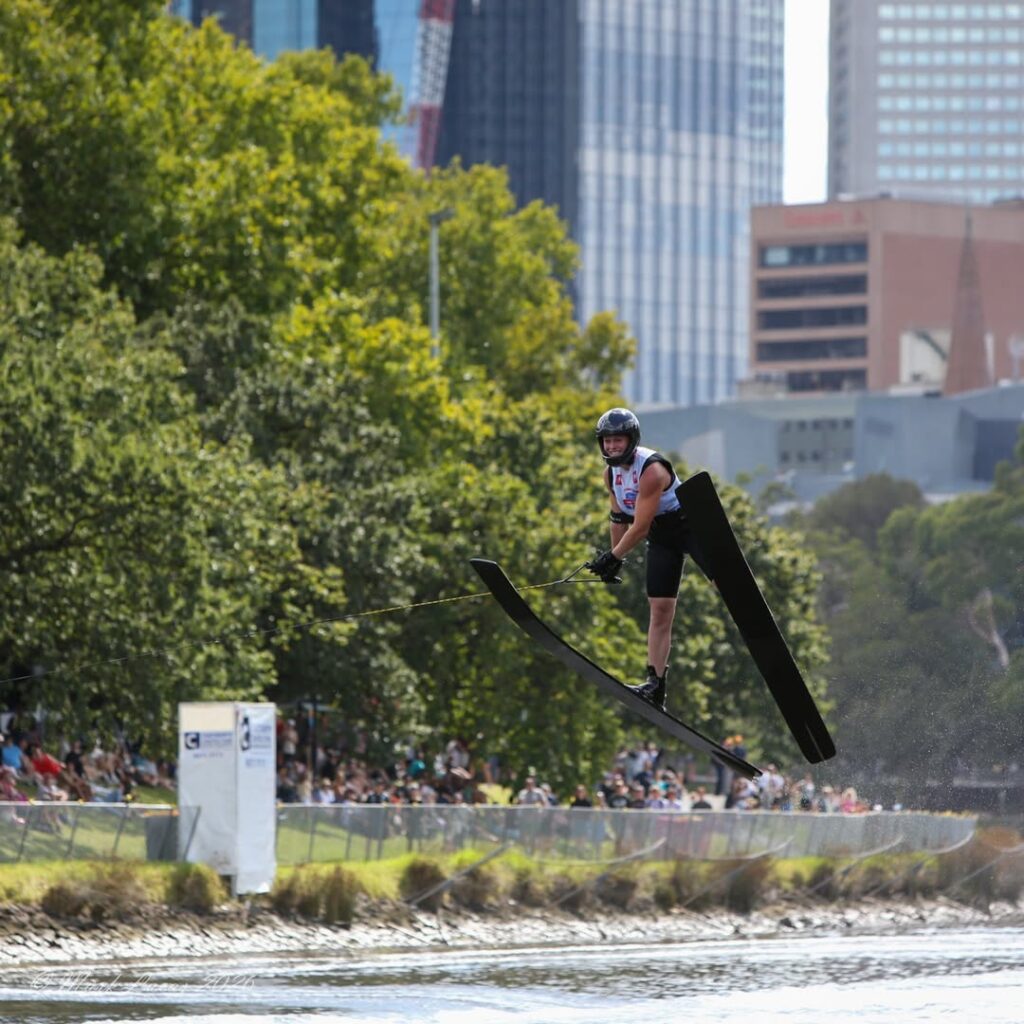
In jump, Australia’s Zarhli Reeves delivered one of the standout moments of the week. Her 45.2-meter leap pushed her personal best and extended her margin over the rest of the under-17 girls globally to nearly five meters — a commanding position as the sport begins looking ahead to the upcoming junior world championships.

The under-17 boys slalom final provided the opposite dynamic: nail-biting tension. American Landon Stisher and Argentina’s Bautista Ahumada traded blows all the way down to 10.75 meters (39.5′ off) before Stisher edged the contest by only half a buoy in the two-round, combined-score format.

Jump in the same division became a spectacle of distance. Multiple athletes cleared the 50-meter mark, but it was Argentina’s Francisco Giorgis who ultimately claimed the title with a 52.9-meter effort. Top-seeded American BG Bickley produced the biggest jump of the finals — a massive 54 meters (177 feet) — yet an uncharacteristically difficult opening round left him chasing points he could never quite recover.

The new under-21 divisions added a different flavor: athletes already brushing against the professional elite.

Canada’s Charlie Ross made perhaps the loudest statement of the week in slalom. His imperious 4 buoys at 10.25 meters (41′ off) could have been a winning score in almost any professional field and served as an unmistakable message before the pro event had even begun.

The under-21 men’s trick competition might have been the most anticipated battle of the junior program. Two members of the sport’s exclusive 13,000-point club — Jake Abelson and Matias Gonzalez — faced off alongside Chile’s Martin Labra, competing in his first major event in nearly 18 months.

Abelson ultimately secured the title through consistency, posting two rounds comfortably above 12,000 points. But it was Labra who produced the moment of the finals. In a performance equal parts daring and theatrical, he opened his run with a reverse toe-wake-five-back — a trick rarely attempted in competition — and went on to set a new Moomba course record of 12,840 points on the Yarra River.

It was the run of an athlete skiing without hesitation.

Abelson, meanwhile, added another milestone later in the day. In the under-21 jump final he sailed 62.1 meters — 204 feet — recording the first 200-foot jump of his career.

The under-21 women’s events were highlighted by Australia’s Kristy Appleton, the reigning under-21 world jump champion. Her 48.7-meter (160 foot) leap matched her personal best and helped secure an, admittedly uncontested, overall title.

For all the highlights, the expanded format also exposed some growing pains.

Several divisions featured only two or three competitors, limiting the competitive drama that usually defines Junior Moomba. The restructuring of divisions also meant fewer spots in the traditional under-17 categories, leaving some Australian juniors — athletes who historically would have qualified — watching from the sidelines.

There is also a competitive wrinkle that professional skiers have quietly noted. With the introduction of under-21 divisions, several of the sport’s elite young stars — athletes like Ross, Abelson, and Gonzalez — effectively receive multiple rounds of practice on the Yarra before the professional event begins. For pros arriving fresh to the river, it can feel like a subtle but meaningful advantage.

That dynamic has existed for years when Junior Moomba was limited to under-17 skiers. But now, with athletes already competing at professional level still eligible for junior divisions, the line between preparation and participation has blurred further.

Still, if the purpose of Junior Moomba is to preview the sport’s future, the event succeeded.

Across two days, the Yarra River hosted world-class scores, emerging rivalries, and several athletes who may soon dominate the professional conversation.

And in more than a few cases, the future didn’t wait for the weekend.

It arrived early.

Tim Wild and Matt Rini at the 2025 Jr. Masters

Nautique Flips Decades of Tradition at Flagship Junior Events

Articles

Nautique flips decades of tradition at flagship junior events

Tim Wild and Matt Rini at the 2025 Jr. Masters

Nautique announced that the under-17 division will be sunset at the Masters next year (image: @bearwitnesssportsphotos.)

By Jack Burden


Within all the excitement of Nautique’s recent launch of the Water Ski World Series, one of the most consequential changes slipped through almost unnoticed. The new Series isn’t just for the pros—embedded within it are junior and senior competitions, and a quiet but unmistakable message from Nautique: for Correct Craft, the future of the sport is under-21.

Junior competition has been part of water skiing since the sport started categorizing itself. In the United States, the Jr. Boys division debuted at the fourth National Championships in 1946, giving young talent a structured path upward. Hall of Famer Dick Pope Jr. won Jr. Boys overall at 16 in 1947, then jumped straight to the men’s ranks and immediately began piling up national and world titles. Internationally, Europe launched its under-17 Championships in 1964, and the Under-17 Worlds followed in 1986.

For eight decades, under-17 has been synonymous with “junior”—the proving ground where future superstars were minted.

Then Nautique quietly took a sledgehammer to it.

Hidden near the bottom of their Series announcement was the line that changed everything: the Junior Masters would no longer be junior. Under-21 would replace it entirely. And it wasn’t a one-off. Moomba is doing the same in 2026, adding under-21 alongside the pros and the under-17s. The three other World Series stops will follow suit. With a single keystroke, a whole generation was reassigned.

Nautique framed the shift as modernization—a cleaner system, a clearer pathway. But inside the sport, the reaction has been anything but unanimous. For many coaches and families, the change feels less like progress and more like erasing a pillar the sport was built on.

Corey Vaughn is one of them.

“Under-17 skiers are true juniors and can be seen as the future of the sport,” shared Vaughn, a career coach of over 10 years. “By the age of 20–21, some of the top talent has ‘arrived’ and there is too much potential overlap.”

Reflecting on his own pupils, he added that opportunities like the Junior Masters were “empowering experiences at a perfect time of life. Very motivating. I’m sorry to see that change.”

So why make the change?

We asked Nautique for comment. They didn’t respond. Their FAQ stayed polished and corporate, leaning on phrases like “greater access” and “modernization.” The most substantive line was their aim to give juniors “additional time and experience before transitioning to the pro divisions.”

Which points to a deeper tension: nobody agrees on when a young skier should actually turn pro.

Take Tim Wild. At 18, he might already be one of the best overall skiers in the world. In 2025 he swept the Junior Masters, won the under-21 Worlds, and took a podium at the open Worlds—and yet he’s entered only a single pro event in his life, a small backyard trick event. On paper he’s a world-class pro. In practice he’s an overqualified junior. And that makes sense. Juniors give him reps. They give him confidence. They give him hardware.

This is common among Matt Rini’s protégés. Joel Poland didn’t debut as a pro until 20, choosing to dominate juniors until he felt ready to step into a field of grown men. Rini—a Nautique insider—was almost certainly influential in pushing the junior age higher.

But contrast Wild with Jake Abelson. Same age, same generation, completely different trajectory. Abelson earned his first pro podium at 12 and has spent years terrorizing the junior ranks while poaching wins from adults. He’s proof that success is possible while keeping a foot in both worlds.

Water skiing is one of the few sports where you can win a junior title in the morning and beat the pros by dinner. It makes for great stories. It also makes the definition of “pro” feel slightly absurd.

“In broad terms, I really wish we had a stronger boundary between professional and amateur skiing,” Vaughn added. “I’m amazed by the talent of these kids, but I don’t think the likes of Jake Abelson and Charlie Ross should get their chance at winning open—where they clearly belong—and then go clean house in the amateur ranks. You wouldn’t let a 20-year-old drafted into the NBA also play college ball.”

Today, athletes like Abelson can hop divisions freely. Governing bodies, whose marquee events are amateur, have every incentive to keep things blurry.

That freedom is beautiful. But it’s also chaos.

So Nautique responded to the chaos with structure: create a middle zone. Build a bridge for the 18–21-year-old phase, the years when the sport tends to lose more athletes than it develops. Under-21 isn’t a new format—Europe has run Championships since 1990, the PanAm Games debuted it in 1996, and the IWWF launched under-21 Worlds in 2003. America is the outlier. This move brings the sport’s major events in line with a global trend.

A strong under-21 circuit could give young adult skiers something they’ve never truly had: meaningful pressure without inevitable defeat.

But every structural change creates winners and losers.

We asked Matteo Luzzeri—who has coached many of Europe’s top juniors—whether a stronger under-21 focus helps the sport.

“I don’t know,” he said after some thought. “Given the high level of youth skiers—Mati, Jake, Tim, Charlie, Lucas, Axel, Maise, Christhiana—the opposite argument could be made: Under-17 is more necessary now than it used to be.”

This is the paradox of governance: every attempt to help one group seems to hurt another.

Men’s tricks might not need an amateur under-21 division when half the pro podiums are filled by teenagers who can’t yet vote. But in slalom and jump? Different story. Outside of men’s tricks, only Charlie Ross won a pro event this year as an under-21, and only four under-21 athletes made a podium at all. For most young skiers, the pro ranks are a long stretch of non-finals, non-money, and non-momentum. A purgatory measured by rope lengths.

So maybe Nautique is right. Maybe this is the way to build the next generation of stars: give them battles they can win now, not scars they’ll carry later.

But it’s also possible the line between amateur and pro gets even fuzzier. That under-17 athletes lose the stage they once dreamed about. That the next breakout skier arrives later—and to a smaller spotlight.

The thing about format changes is that the impact doesn’t show up immediately. You feel it in three years, or five. When the under-21 podiums are deep—or empty. When pro fields get tougher—or thinner. When a 16-year-old who should’ve skied Robin Lake never gets the chance.

This is the part nobody can model.

Nautique has placed its bet on a vision of the future: a broader bridge, a longer runway, a gentler ascent. The logic is easy enough to understand. The consequences are not.

Change in water skiing rarely arrives with fireworks. It shows up in a rulebook tweak, an age cutoff, a field list. A small shift in gravity.

And suddenly, the next generation stands somewhere slightly different than we expected.

Charlie Ross wins slalom at the 2025 IWWF Under-21 World Waterski Championships

Triumph, Turmoil, and Tears at the Under-21 World Championships in Calgary

News

Triumph, turmoil, and tears at the Under-21 World Championships in Calgary

Charlie Ross wins slalom at the 2025 IWWF Under-21 World Waterski Championships

Image: @johnnyhayward_photo

By Jack Burden


CALGARY, Alberta — The Under-21 World Waterski Championships have long served as the bridge between promise and prominence, a proving ground where rising stars and already-seasoned professionals collide. But even by its high standards, the 2025 edition—held at the picturesque Predator Bay Water Ski Club just outside Calgary—delivered a week of soaring highs, crushing lows, and a final day that left the waters of Alberta rippling with both celebration and controversy.

This was an event marked by breakout performances and premature heartbreak, where future world champions were minted and the sport’s deeper fissures were exposed for all to see.

Before the finals even began, the undercurrents of chaos were already pulling the field in unpredictable directions. In men’s tricks, a rash of early falls upended the leaderboard and torpedoed the hopes of several title contenders. Chile’s Matias Gonzalez, one of the pre-event favorites, fell early on his toe pass—then tried to mount a Patrice Martin-style resurrection. It wasn’t enough. His exit took with it any hopes of challenging Jake Abelson for the title.

By the end of qualifying, Team USA had built an insurmountable lead in the team standings, while Germany’s Tim Wild—still riding the momentum from his historic sweep at the Junior Masters—put the men’s overall title virtually out of reach before the final round even began.

With forecasts shifting, organizers moved the jump finals to the front of the schedule—and the drama began immediately.

The women’s event mirrored last year’s Under-17 showdown, held at the same site. Denmark’s Maise Jacobsen, the reigning U17 world champion, went over 48 meters to stake her claim early. Then came Australia’s Kristy Appleton, launching a huge 48.7-meter (160-foot) jump on her final attempt to take the lead.

But what followed was a string of brutal setbacks. Austria’s Leona Berner took a violent out-the-front on her opening jump—only to have competitors rally around her, offering skis and helping switch bindings in a stirring act of sportsmanship. Her teammate, Lili Steiner, another podium hopeful, landed awkwardly and was forced to withdraw injured. Canada’s Nellie Allard secured bronze after a new personal best, but it was Appleton who stood tallest, earning her first world jump title in stunning fashion.

The men’s final followed a similar arc. With several top seeds falling short of their qualifying marks, it was France’s Antoine Morin, skiing from the middle of the pack, who set the distance to beat: a clean, composed 60.6-meter leap—his first time ever clearing 60 meters.

Nobody else could match it. Wild locked in bronze to seal his overall title. Italy’s Florian Parth, returning to form after a quiet season, came closest but had to settle for silver. The top seed, American Gage Kacprowicz, dislocated his shoulder after crashing on his opening jump and was helped from the water. In the week’s most unexpected result, Antoine Morin became a world champion—despite not featuring on most pre-event radar screens.

In women’s slalom, South America, the continent that has claimed the last three Under-17 world titles, continued its rise. Skiers from Chile and Peru claimed the top four spots in the final, culminating in a dramatic three-way runoff between Christiana De Osma, Daniela Kretschmer, and Trinidad Espinal. The reigning Under-17 World Champion, De Osma, emerged victorious—running into 10.75m (39.5’ off) to seal the title.

The men’s slalom final was perhaps the most anticipated event of the tournament. But what was expected to be a shootout at 10.25m (41’ off) turned into a survival test, with skier after skier falling victim to the 10.75m line.

Mexico’s Jaime Palomino was the first to break through, posting 1.25 at 10.25m to set the pace. Australia’s Lucas Cornale looked confident through 10.75m but failed to get out of the gates on 10.25m. Then, reigning Under-17 World Champion Jaeden Eade pulled up narrow at 10.75m and fell short.

It was left to Canadian Charlie Ross, defending champion and home-country favorite, to finish the job. He didn’t disappoint. With measured aggression and trademark composure, Ross tied Will Asher’s 22-year-old World Championships record of 3@10.25m—matching the longest-standing mark in the sport’s history and becoming a two-time Under-21 World Slalom Champion.

The tournament ended with fireworks, and not just from the skiing.

Emma Davis of Team USA held a slim lead in the overall standings going into the trick final, with Alexia Abelson still within striking distance. But an off day in toes dashed Abelson’s chances in both tricks and overall.

Then came a trio of standout runs: Canada’s Hannah Stopnicki, Colombia’s Daniela Verswyvel, and Canada’s Olivia Chute all delivered strong performances. But when the scores dropped, controversy erupted.

Verswyvel’s reverse mobe—a pivotal 800-point trick—was unanimously ruled no-credit by the judging panel, dropping her to second behind Stopnicki. The TWBC live chat exploded with confusion and outrage. Elite skiers including Patricio Font and Neilly Ross voiced disbelief. Protests were lodged. Videos scrutinized. The call stood.

There’s an old adage in sport: the best judges are the ones you never notice. When they do their job well, the athletes—and not the adjudication—are the story. By that measure, the trick judging at this World Championships left much to be desired. This time, it was the judges, not the tricks, who stole the spotlight.

“I think that’s the discussion,” Gonzalez said on the TWBC broadcast. “In my opinion, it was pretty good—it is credit.”

What followed was a viral groundswell of support for Verswyvel, with her father sharing an emotional comment:

“After years of hard work and dedication, those who are supposed to be impartial lacked the humility to admit a mistake… Even if others refused to acknowledge it, the true champion proved it in the competition.”

But it’s worth stating clearly: Hannah Stopnicki is a phenomenal trick skier. She could easily have won with no drama had she landed her final flip. In a moment bigger than either athlete, Stopnicki and Verswyvel embraced after the final—two competitors in tears, caught in a storm they didn’t ask for.

“Honestly my toe run felt so good,” Stopnicki said. “I know the judges are looking at everything extra carefully today, so I was just trying to be as clean as I could be and stay on top of the water.”

In contrast, the men’s trick final was relatively sedate. With Mati Gonzalez relegated to the commentary box, only France’s Tristan Duplan-Fribourg looked like a potential challenger. The Frenchman earned plaudits with a gritty, chaotic, improvisational run that won over the crowd—but Jake Abelson was untouchable.

His 12,100-point performance set a new Under-21 World Championships record and added yet another accolade to what’s already one of the most decorated junior careers in water skiing history.

While the event featured standout performances across all disciplines, the shallow depth of the women’s field was a concerning undercurrent. The cutoffs to reach finals in slalom, tricks, and jump were among the lowest in tournament history—raising questions about development pipelines, participation, and long-term sustainability on the women’s side of elite water skiing.

But for one week in Calgary, the next generation took center stage—some rising, some falling, all reminding us why this sport, at its best, is one of the most beautiful and brutal in the world.

Teams podium from the 2024 Under-17 World Water Ski Championships

Meet the Rising Stars To Watch at the Under-21 World’s This Week

News

Meet the rising stars to watch at the Under-21 World Championships this week

Teams podium from the 2024 Under-17 World Water Ski Championships

Image: @melitine_m

By Jack Burden


CALGARY, Alberta — The future of waterskiing descends on Canada this week.

The 2025 IWWF Under-21 World Championships kick off at Calgary’s stories Predator Bay Water Ski Club. Host of the 2009 World Championships and a string of pro events since, Predator Bay is the kind of site that inspires career-best performances — and with the under-17 world titles just completed and over-35 event still to come, this marks the middle leg of a rare triple header of World Championships.

First held in 2003, the Under-21 Worlds has become a rite of passage — a proving ground where prodigies stake their claim and new names break through. With scores climbing higher than ever across all three events, this year’s championship promises more than just titles. It’s a glimpse into what comes next.

Here are nine athletes poised to make that leap.

Jake Abelson slaloms at the 2025 Jr. Masters

Image: @bearwitnesssportsphotos

Jake Abelson (USA)

For all the headlines Jake Abelson has made as a trick skier — including becoming the first to eclipse 13,000 points — he arrives in Calgary as the frontrunner in men’s overall.

That might catch some off guard. But to those paying attention, the 17-year-old American has quietly rounded out his game. He runs deep into 11.25m (38’ off) in slalom, and consistently sails past 55 meters (180 feet) on the jump ramp. With reigning World No. 1 Martin Labra sidelined by injury, the path is open — and Jake has the horsepower to take it all.

He’s already swept trick titles at Moomba, the U.S. Masters, and BOTASKI ProAm this season. Now he’s chasing something bigger: a second consecutive world overall title, following his Under-17 double gold from last year.

Under-21 World Rankings:

  • Tricks: 1st (12,990 points)
  • Overall: 2nd
Maise Jacobsen holds the under-17 world water ski jump record

Image: @bretellisphotography

Maise Jacobsen (DEN)

No junior has ever jumped farther than Maise Jacobsen. Not even Jacinta Carroll.

At just 17, the Danish phenom holds the junior world jump record at a jaw-dropping 49.1 meters (161 feet), and she returns to the same Calgary site where she claimed gold at last year’s Under-17 World Championships.

She’s still skiing on the lower speed and ramp height of the Under-17 division, but that hasn’t stopped her from topping the Under-21 rankings. Her smooth style and fearless approach make her a favorite — not just for gold, but to dominate for years to come.

Under-21 World Rankings:

  • Jump: 1st (48.0 meters)
  • Overall: 7th
Charlie Ross won the Monaco Waterski Cup in style

Image: @arthur_sayanoff

Charlie Ross (CAN)

The title defense starts here.

Charlie Ross is the only reigning Under-21 World Champion returning this week — and with two pro wins already in 2025, the Canadian is better than ever.

He’s the latest skier to join the exclusive 10.25m (41’ off) club and has been a fixture on pro podiums all season. But the real edge? He’s skiing in front of a home crowd, and few will match his hunger to repeat.

A technical, deeply analytical skier, Ross has always had the tools. Now, he’s putting it all together.

Under-21 World Rankings:

  • Slalom: 1st (1@9.75m)
Lexi Abelson celebrates winning tricks at the 2025 Jr. U.S. Masters

Image: @eric.steiner.realtor.foto 

Alexia Abelson (USA)

The younger Abelson sibling is quickly forging a legacy of her own. The reigning Junior Masters and U17 world champ in tricks, Lexi recently broke 9,000 points for the first time and scored her first pro podium in overall.

At just 15, she’s among the youngest in the field—but don’t be surprised if she’s vying for titles across multiple events.

Under-21 World Rankings:

  • Slalom: 5th (3.5@11.25m)
  • Tricks: 2nd (8,770 points)
  • Overall: 3rd
Lucas cornale slaloms at the 2024 MasterCraft Pro

Image: @johnnyhayward_photo

Lucas Cornale (AUS)

Straight out of winter in Australia, Lucas Cornale lands in Calgary as the wildcard no one wants to face.

He made history last season as the youngest man in decades to win a pro slalom title, and his raw, aggressive style makes him one of the sport’s most exciting talents. With only a handful of tournament starts this year, he’s a bit of a mystery — but don’t mistake that for inconsistency.

His matchup with Charlie Ross could define this championship.

Under-21 World Rankings:

  • Slalom: 2nd (4.25@10.25m)
  • Overall: 6th
Lili Steiner jumps at San Gervasio in Italy

Image: @vikjngo69

Lili Steiner (AUT)

Austria’s rising star, Steiner was the linchpin of their shock University Worlds team victory. Now, she enters Calgary as the favorite in women’s overall and a serious contender in both slalom and jump.

Steiner has a string of podiums under her belt, including on the WWS Overall Tour, U.S. Collegiate Nationals, and, most recently, the University World Championships, where she finished runner up in jump and overall.

Now she’s chasing a first major individual title.

Under-21 World Rankings:

  • Slalom: 8th (3@11.25m)
  • Jump: 2nd (46.6 meters)
  • Overall: 1st
Matias Gonzalez tricks at the 2025 Portugal Pro

Image: @thewaterskiacademy

Matias Gonzalez (CHI)

Jake Abelson might be the biggest name, but Matias Gonzalez is every bit his equal in tricks — and has the hardware to prove it.

Gonzalez beat Abelson for Under-17 world gold last year and came within a whisker of winning the Under-21 title last time out. He also holds the highest trick score ever recorded in a pro event, proving he delivers when it matters.

He’s been just behind Abelson at every turn in 2025 — but this could be the week he flips the script.

Under-21 World Rankings:

  • Tricks: 2nd (12,830 points)
Christhiana De Osma at the 2024 Junior U.S. Masters

Image: @cristhiana.do

Christiana De Osma (PER)

Still technically Under-17 eligible, De Osma enters these championships as the world No. 1 in slalom.

The Peruvian star has claimed junior victories at Moomba and the U.S. Masters this season, and scored her first professional podium in Melbourne with a bronze. She’s known for handling pressure and tough conditions, and runs deep into 10.75m (39.5’ off) with remarkable consistency.

She’s already the Under-17 World Champion. A second title — at the U21 level — would be a fitting next step.

Under-21 World Rankings:

  • Slalom: 1st (2.5@10.75m)
  • Tricks: 9th (5,990 points)
Florian Parth at the San Gervasio Pro Am

Image: @shotbythomasgustafson

Florian Parth

The biggest dark horse of these Championships, Florian Parth has only jumped in one tournament in 2024, during which he passed on five out of six jumps, recording only a single score of a paltry 41 meters.

But just last year, he stood on the podium at the U.S. Masters and was the No. 1 ranked Under-21 jumper in the world.

When he’s on, no one jumps farther.

He also has serious slalom chops, having run into 10.25m (41’ off) multiple times. If he finds form in Calgary, he could blow this tournament wide open.

Under-21 World Rankings:

  • Slalom: 7th (0.25@10.25m)
  • Jump: N/A

Iris Cambray won the Masters Waterski tournament as a teenager

Quiz: Youngest Skiers to Win a Pro Tournament this Century

Quizzes

Quiz: Youngest skiers to win a professional tournament this century

Iris Cambray won the Masters Waterski tournament as a teenager

Image: Facebook

By RTB


5 minute play

In this quiz, you need to name the youngest skiers to win a professional tournament since 2000.

The list has 24 skiers, all of whom have won their first professional event before their 20th birthday. While the list is dominated by female trickers, there is at least one winner from each discipline. We have given you the skier’s country, event, and age at the time of their first victory.

Data updated as of March 10, 2024

Kennedy Hansen U21 World Overall Record

Hansen and Jacobsen’s Junior World Records Ratified by IWWF

Media

Hansen and Jacobsen’s junior world records ratified by IWWF

Kennedy Hansen U21 World Overall Record

Image: @kennahansen

By Jack Burden


Kennedy Hansen from the United States and Maise Jacobsen from Denmark have made history by setting new IWWF World Records in their respective age groups. Both records have now been officially ratified by the International Waterski & Wakeboard Federation (IWWF), solidifying their places as two of the sport’s brightest rising stars.

Kennedy Hansen Sets New Under-21 Women’s Overall World Record

Kennedy Hansen, the reigning Under-21 World Overall Champion, has set a new Under-21 Women’s Overall World Record. Her record-breaking performance occurred during the first round of the We Wave Independence Day Invitational at Bullneck Lake, Scott, Arkansas, on July 5-6, 2024.

Hansen’s incredible overall score was achieved through stellar performances across all three disciplines:

  • Slalom: 1 buoy at 10.75 meters (39.5′ off)
  • Tricks: 9,430 points
  • Jump: 44.4 meters (146 feet)

These impressive results helped Hansen surpass the previous Under-21 overall record, a milestone previously held by her compatriot Brooke Baldwin.

Expressing her gratitude after her achievement, Hansen said, “Thanks to my family, coaches, Team Pickos, Alex Gschiel, and my sponsors for all the support along the way. This wouldn’t have been possible without you all!”

In addition to this record, Hansen has two more Under-21 Overall Records pending approval from the IWWF.

Maise Jacobsen Breaks Under-17 Girl’s Jump Record

Denmark’s Maise Jacobsen has also etched her name in the waterskiing history books by setting a new Under-17 Girls Jump World Record with an incredible leap of 46.9 meters (154 feet). This remarkable feat was accomplished during the finals of the 2024 IWWF E&A Youth Championships in Recetto, Italy, on August 25, 2024.

Jacobsen’s latest success adds to her growing list of accolades. Earlier this year, she was crowned Junior World Jump Champion at the IWWF World Under-17 Waterski Championships held at Predator Bay, Calgary, Canada.

After breaking the world record, Jacobsen expressed her excitement and appreciation on social media, saying, “Thank you to everyone who has been part of my journey to make one of my biggest dreams come true. I am forever grateful. I had a lot of fun with old and new friends as always, and I’m already looking forward to next year!”

Not only is Jacobsen’s new record officially approved, but it also ties the longest jump by an Under-17 girl in the past 15 years, matching Lauren Morgan’s best performance from 2010. Even more impressive is that Jacobsen still has another full year of eligibility in the Under-17 category.

A New Era of Junior Waterski Records

Both Hansen’s and Jacobsen’s achievements represent a new era for junior waterskiing records. The IWWF has been officially tracking age-group world records since 2019, expanding the recognition of outstanding performances beyond just junior world championships (Under-17 and Under-21). This system allows remarkable accomplishments like Hansen’s and Jacobsen’s to be cemented in the sport’s history, shining a spotlight on the future stars of waterskiing.

Jake Abelson jumps during the finals @predatorbay during the U17 world waterski championships in Calgary, Alberta, Canada.

Family Affair: Second Generation Talent Dominates Under-17 World Championships

News

Family Affair: Second Generation Talent Dominates Under-17 World Championships

Jake Abelson jumps during the finals @predatorbay during the U17 world waterski championships in Calgary, Alberta, Canada.

Image: @johnnyhayward_photo

By Jack Burden


Turn back the clock three decades: Kyle Eade and Steffen Wild are regulars on the professional jump circuit. Russel and Jane Gay are among the best trickers in the world. Mariana Ramirez and Richard Abelson are promising juniors rising through the ranks. Now, fast forward to today, all of these world-class skiers traveled to Canada for the Under-17 World Championships, but now in very different roles.

11 of the 24 individual medals at the recently completed World Titles were taken home by these four families. Additionally, they set three world championship tournament records and, arguably, secured the team title as well, with four out of the six spots on the victorious U.S. Team filled by just two families.

Other second-generation talents included Fletcher and Daisy Green, both advancing to the trick finals; Marie-Lou Duverger, who finished fourth in girls’ overall; Samson Clunie, who narrowly missed the jump finals; and Cameron Davis, who placed fifth in girls’ overall and was part of the gold medal-winning Team USA.

The on-water action was incredible. The finals started with the Eade brothers, Jaeden and Damien, tying for the gold before having to settle things in a runoff. Training partners since day one, has there ever been a more fitting resolution to a sibling rivalry? Meanwhile, girls’ slalom was a tense battle between two South American contenders, with Peru’s Christiana De Osma narrowly edging out Chile’s Trinidad Espinal in the final.

The girls’ jump final was an incredible battle between Australia’s Kristy Appleton and Denmark’s Maise Jacobsen. Appleton threw everything she had at the ramp in one of the bravest performances of the event, willing herself further on her final attempt, which resulted in a spectacular crash upon landing. It took Jacobsen until her third and final jump and a new personal best, but ultimately, the Dane pulled ahead. Give these two fierce competitors some time to adjust to the faster boat speed and higher ramp height, and they could be the next big thing in professional jumping.

The boys’ jump final was relatively sedate after the crash reel that was the preliminary round, but it was Jake Abelson who stole the show second off the dock with a 53.3-meter (175-foot) jump to cement his overall title and set the mark for the rest of the field to chase. Tim Wild, the top seed and favorite after the withdrawal of the injured Tristan Duplan-Fribourg, tried valiantly but ultimately came up half a meter (two feet) short of Abelson’s mark.

While girls’ trick was somewhat of a foregone conclusion, with young Alexia Abelson head and shoulders above the rest of the field, boys’ tricks was a titanic struggle between the two highest-scoring trick skiers of all time, Matias Gonzalez and Jake Abelson. Both had set Under-17 World Championship records in the preliminary round and knew it would take even more in the final. The defending champion, Gonzalez, showcased his ruthless efficiency to set a score of 12,410 for Abelson to chase. A third gold medal was not to be for the American, who, despite two stand-up passes, narrowly lost his last hand trick to time and finished just behind Gonzalez.

While jump is historically the headline event to close out a World Championships, boys’ tricks was a fitting finish, coming right down to the wire. If the current crop of junior world champions is anything to go by, the future of the sport is very bright indeed.

Ahumada Esqui Nautico

Argentina to Host 2026 Under-17 World Championships | IWWF

Repost

Argentina to Host 2026 IWWF World Under 17 Waterski Championships

Ahumada Esqui Nautico

Image: @ahumada_esqui_nautico

IWWF


The Argentinian Waterski & Wakeboard Federation has been awarded the bid to host the next IWWF World Under 17 Waterski Championships in 2026 at Lago Ahumada Esquí Náutico in San Jose in Córdoba from 30th March to 5th April 2026.

The “Club Ahumada Waterski,” founded 10 years ago in Villa Dolores, has been a pillar in promoting water sports. For 8 years, the training has taken place at “Lago La Viña” in the Trasla- sierra Valley. Recently, the club built a high-performance private lake between San José and Villa Dolores, designed for skiing both day and night thanks to its advanced lighting. This lake, unique in the province of Córdoba, meets all the technical and safety requirements necessary for high-level competitions.

Read the full press release from IWWF

2024 IWWF World Under 17 Waterski Championships

2024 Under-17 World Championships Kick Off This Week | IWWF

Archived

2024 IWWF World Under 17 Waterski Championships Kick Off Today

2024 IWWF World Under 17 Waterski Championships

Image: IWWF

IWWF


The 2024 IWWF World Under 17 Waterski Championships officially commences today at Predator Bay in Calgary, Alberta, Canada.

This prestigious event gathers over 100 of the world’s finest junior waterskiers from 21 countries, all vying for the coveted World Titles in various disciplines.

The Championships, running from August 1st to 4th, promise thrilling displays of talent and skill as young athletes push the boundaries of waterskiing excellence. Admission is free and spectators can look forward to an array of exhilarating performances, including slalom, tricks, and jump events, all set against the stunning backdrop of Predator Bay.

Adding to the excitement, the event will be live-streamed, allowing fans worldwide to experience the action in real time. The live stream will cover every moment of the competition, ensuring that waterski enthusiasts around the globe don’t miss a single turn, trick or jump.

Towing the competitors will be the World-Record setting Ski Nautique, renowned for its superior performance and reliability.

To read the full media release and for more information about the event, the schedule, and to access the live stream, please visit the following link:

Please click here to read the full media release on IWWF’s website.