10 tightest teams competitions at world water ski championships

World Championships: We Countdown the 10 Closest Team Battles in the History of the Tournament

Articles

World Championships: we countdown the 10 closest team battles in the history of the tournament
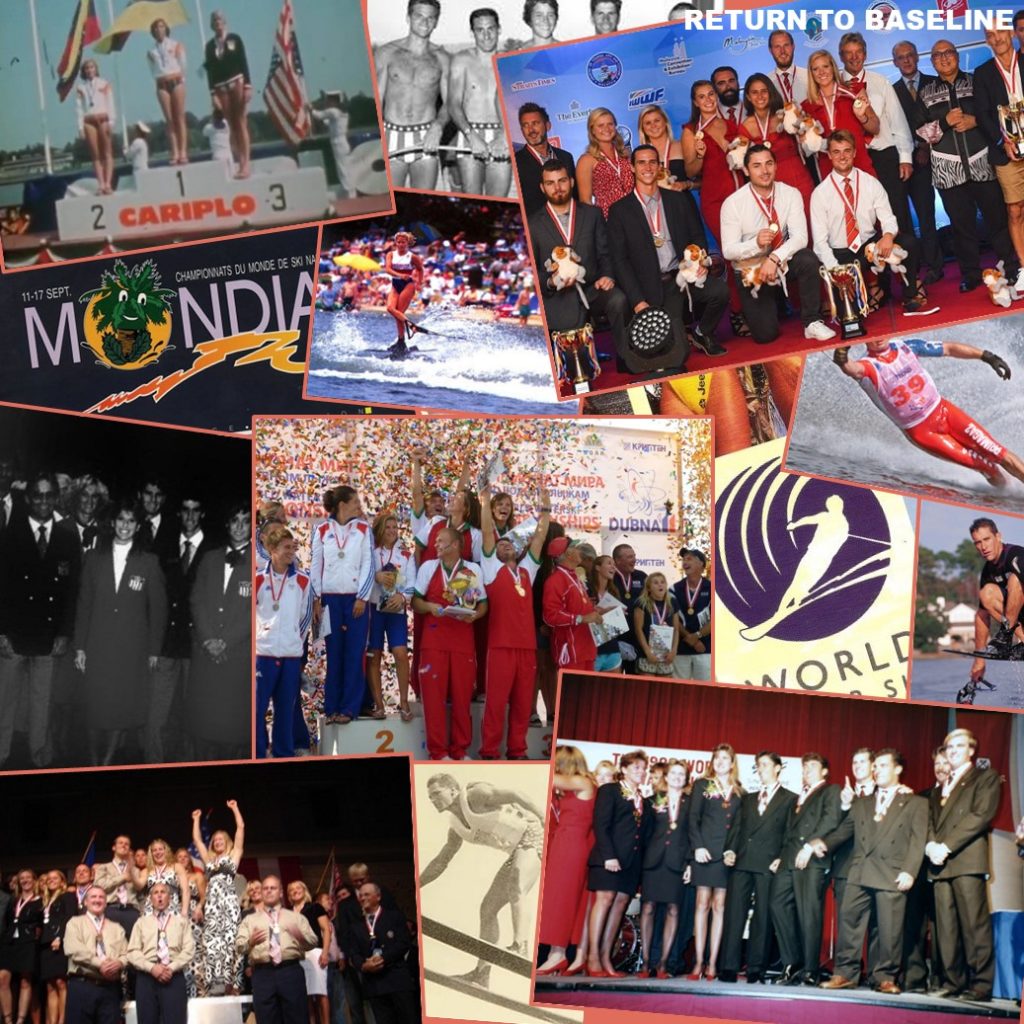
10 tightest teams competitions at world water ski championships

The tightest team overall competitions in the history of the Water Ski World Championships.

By Jack Burden


The World Championships have always delivered breathtaking competition, but perhaps the most exhilarating aspect has been the fiercely contested teams’ battles. Originally, these clashes were dominated by the United States, but in recent years, the field has become far more diverse, with four different countries claiming victory over the last three decades. As we approach the 2023 World Championships, the anticipation builds, and we find ourselves reminiscing about the ten most tightly contested team battles in the event’s storied history.

In this prestigious competition, each country assembles a team of six skilled skiers, with a limit of four from each gender. These athletes compete across all three disciplines: slalom, tricks, and jump, with the top three scores from each discipline contributing to the team’s total. This format places a premium on versatile all-around skiers, as teams that lean too heavily on specialists risk lacking depth and the margin for error becomes razor-thin. Join us on a journey through the most thrilling team competitions in the history of the World Championships.
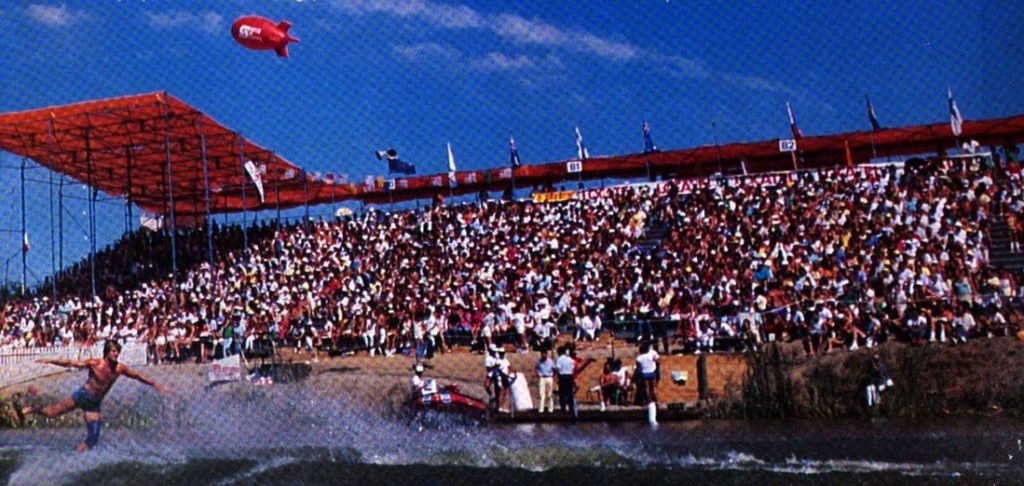
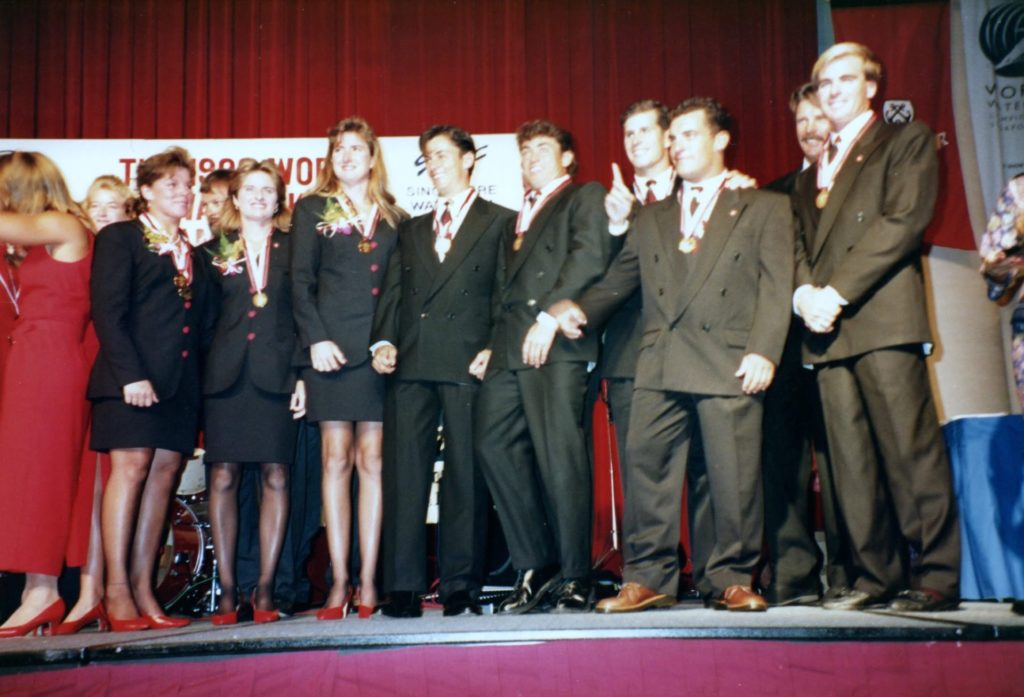
1985 World Waterski Championships in France

Image: WATERSKI Magazine

10. Toulouse, France 1985

Contenders: Australia vs. the United States

Australia

  • Geoff Carrington
  • Sue Lipplegoes
  • Bruce Neville
  • Karen Bowkett Neville
  • Mick Neville
  • Glenn Thurlow

United States

  • Deena Brush (Mapple)
  • Camille Duvall
  • Sammy Duvall
  • Bob LaPoint
  • Lucky Lowe
  • Carl Roberge

Australia’s golden generation secured podium positions in six consecutive World Championships from 1979 to 1989. During this period, they came second to the United States on four occasions. However, it was the 1985 World Championships that marked their closest attempt to dethrone the Americans from the top of the podium. While the Australians boasted arguably the greatest jump team ever assembled, featuring Carrington, Thurlow, Lipplegoes, and Bruce Neville, as well as two of the best overall skiers of the 1980s, Mick and Karen Neville, they couldn’t quite match the star power of the Americans in the slalom event. LaPoint and Camille Duvall clinched gold medals for the United States, with Roberge and Brush also standing on the podium. The United States’ unbeaten streak would remain intact for yet another World Championships.

Key Moment: Lippelgoes’ mixed tournament, in the preliminary round she set a World Championship record of 40.5m (133 feet), but also missed her first pass in slalom.

Winning Margin: 175 points. Equivalent to roughly two passes in slalom.

  1. United States (8,550 points)
  2. Australia (8,375 points)
  3. Great Britain (7,812 points)
Team Canada wins gold at the 1991 World Water Ski Championships in Austria

Team Canada at the 1991 World Championships (image: World Water Skiers)

9. Villach, Austria 1991

Contenders: Canada vs. the United States

Canada

  • Jim Clunie
  • Kreg Llewellyn
  • Jaret Llewellyn
  • Judy McClintock Messer
  • Susi Graham (McCormick)
  • Drew Ross

United States

  • Tory Baggiano
  • Joy Kelley
  • Leza Harrison
  • Mike Morgan
  • Cory Pickos
  • Sherri Slone

Heading into the tournament, the United States boasted an incredible undefeated streak over the 40+ years of World Championships history. However, they were facing a vulnerable situation without their 1980s stars, including Brush, Roberge, and the Duvall siblings. Meanwhile, Team Canada, led by Steve Bush, had been quietly assembling a young team of future superstars, with veteran McClintock Messer anchoring the group. However, it was Kreg Llewellyn who stole the show in Austria. He not only secured medals in trick and jump but also finished as the runner-up in overall. Llewellyn’s margin of defeat was the tightest ever seen in the sport, with Patrice Martin claiming victory by a mere 0.2 overall points.

Key Moment: The U.S. Team selected two trick specialists, Baggiano and Pickos, both of whom failed to secure a podium finish. Yet the Larsen twins, who were not part of the team, claimed the gold and silver medals with the two highest scores of the tournament.

Winning Margin: 159 points. Equivalent to roughly 1,100 points in trick.

  1. Canada (8,191 points)
  2. United States (8,033 points)
  3. France (8,010 points)
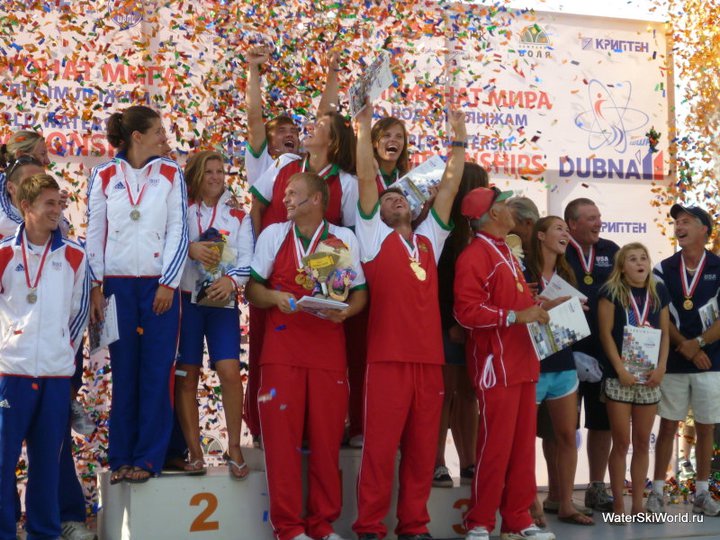
Team Belarus wins gold at the 2011 World Waterski Championships in Russia

Image: WaterSkiWorld

8. Dubna, Russia 2011

Contenders: Belarus vs. France

Belarus

  • Herman Beliakou
  • Natallia Berdnikava
  • Oleg Deviatovski
  • Iryna Turets
  • Maryia Vermchuk
  • Aliaksei Zharnasek

France

  • Anais Amade
  • Iris Cambray
  • Jean Babtiste Faisy
  • Clementine Lucine
  • Marion Mathieu
  • Alexandre Poteau

Early falls in the tricks event proved costly for Regina Jaquess, Erika Lang, and Whitney McClintock. Their slips left both the United States and Canada out of contention. From this wreckage emerged Belarus and France as the top contenders. Both countries exhibited exceptional strength in the tricks discipline. France held a clear advantage in slalom, but ultimately, Belarus surged ahead, driven by their remarkable jumping performances. Berdnikava led from the front, clinching three individual gold medals across the tricks, jump, and overall events.

Key Moment: Beliakou jumped a 3 meter (10 foot) personal best in the preliminary round, going over 60 meters for the first time in his life.

Winning Margin: 149 points. Equivalent to less than 5 meters in jump.

  1. Belarus (7,812 points)
  2. France (7,663 points)
  3. United States (7,593 points)
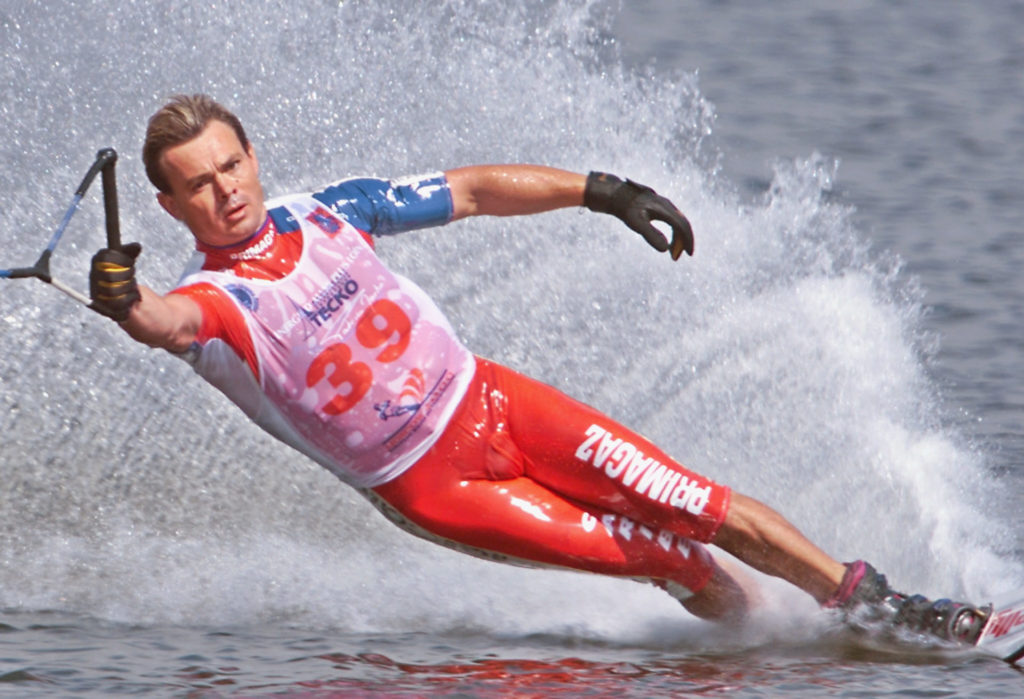
Patrice Martin slalom skiing

Image: InsideTheGames

7. Medellín, Columbia 1997

Contenders: France vs. Italy

France

  • Anais Amade
  • Christophe Duverger
  • Dimitri Gamzukoff
  • Geraldine Jamin
  • Nicolas LeForestier
  • Patrice Martin

Italy

  • Andrea Alessi
  • Patrizio Buzzotta
  • Fabrisio Ciatponi
  • Marina Mosti
  • Christian Rampanelli
  • Irene Reinstaller

In another tournament of upsets, the United States faced an early elimination when both Rhoni Barton and Scot Ellis failed to run their first passes in the slalom preliminaries. The defending champions, France, were then left to defend their title against challenges from Canada and the emerging Italian team, which had not graced the podium in nearly four decades.

Italy fielded arguably their two greatest three-event skiers ever, with veteran Alessi and newcomer Mosti on their team. While France and Italy showed relative parity in tricks and jump, France managed to pull ahead thanks to Martin’s bronze in the slalom event and strong performances from the young talents Amade and Jamin.

Key Moment: Jamin ran close to a personal best in the preliminary round with 1@11.25m (38’ off), finishing one buoy short of the top score.

Winning Margin: 108 points. Equivalent to roughly a pass in slalom.

  1. France (7,758 points)
  2. Italy (7,650 points)
  3. Canada (7,551 points)
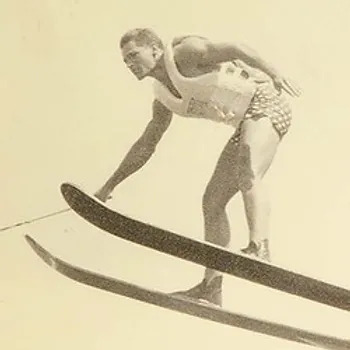
Chuck Stearns Water Ski Jump

Image: USA-WWF

6. Milan, Italy 1959

Contenders: Italy vs. the United States

Italy

  • Franco Carraro
  • Piera Castelverti
  • Pietro Marzoto
  • Alberto Penderzani

United States

  • Jim Jackson
  • Mike Osborn
  • Nancy Rideout
  • Chuck Stearns
  • Vicki Van Hook

This World Championships finds its place on the list due to a technicality. The scoring system for teams was changed to the points system we use today for the next event in 1961. While the competition might not have been as tight in relative terms, it marked the closest any team came to putting pressure on the United States during the first two decades of World Championships.

The host nation, Italy, put up a valiant fight against the American superstars. Notably, all five members of the American team would later earn spots in the USA Waterski Hall of Fame. Castelverti’s exceptional tricking skills secured Italy’s first-ever gold medal, and she also clinched runner-up positions in women’s slalom and overall events. However, the Americans proved to be too dominant, securing six out of the eight individual gold medals and two-thirds of all individual medals.

Key Moment: 15-year-old Van Hook’s overall victory ahead of Castelverti and the favorite Rideout. Cypress Gardens, where Rideout was the poster girl, continued to bill her as the World Champion in advertisements for the next two years, only mentioning Van Hook in the fine print.

Winning Margin: 108 points. Probably insurmountable.

  1. United States (602 points)
  2. Italy (507 points)
  3. France (440 points)
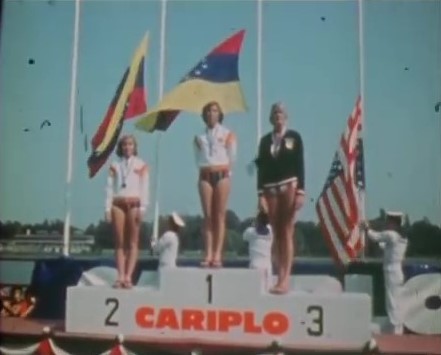
Women's Trick podium at the 1977 World Water Ski Championships in Milan

Image: Ultrasport7

5. Milan, Italy 1977

Contenders: the United States vs. Venezuela

United States

  • Deena Brush (Mapple)
  • Camille Duvall
  • Bob LaPoint
  • Cory Pickos
  • Mike Suyderhoud
  • Cindy Todd

Venezuela

  • Maria Esperanza Carrasco
  • Maria Victoria Carrasco
  • B. Quintini
  • Elpidio Rodriguez
  • Carlos Suarez

The first real challenge to the United States’ dominance of the team title emerged in the late 1970s, and it came from Venezuela. The South Americans showcased their prowess in tricks, with both world record holders Maria Victoria Carrasco and Suarez securing gold medals in tricks and finishing as runners-up in the overall standings. An unexpected standout, Rodriguez, even outperformed LaPoint in the preliminary round, achieving the highest slalom score of the tournament.

However, the Americans ultimately held the advantage in the jumping event. Suyderhoud claimed a late-career world title, and LaPoint, Todd, and Duvall all earned medals in the jumping competition. This collective effort in jumping proved to be the difference-maker, allowing the United States to maintain its grip on the team title.

Key Moment: the U.S. took a chance on a 13-year-old trick specialist by the name of Cory Pickos, while he may have only placed 6th, he produced the highest trick score for Team USA.

Winning Margin: 85 points. Only 2.5 meters (8 feet) in jump.

  1. United States (7,614 points)
  2. Venezuela (7,529 points)
  3. Canada (7,118 points)
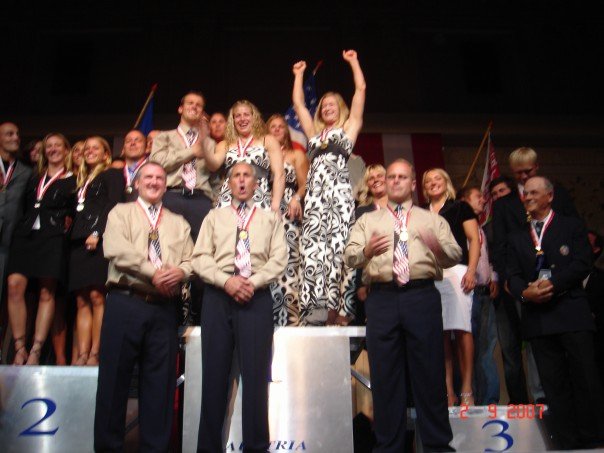
Team USA wins gold at the 2007 World Water Ski Championships in Austria

Image: Facebook

4. Linz, Austria 2007

Contenders: France vs. the United States

France

  • Anais Amade
  • Nancy Chardin
  • Jean Baptiste Faisy
  • Nicolas LeForestier
  • Clemetine Lucine
  • Marion Mathieu

United States

  • Rhoni Barton Bischoff
  • April Coble Eller
  • Regina Jaquess
  • Mandy Nightingale
  • Cory Pickos
  • Jimmy Siemers

This team’s result was all about the women, as both France and the United States fielded teams consisting of four women and two men for the tournament. The competition remained evenly balanced throughout. After both Amade and Lucine posted scores deep down the 11.25m (38’ off) pass, the American duo of Jaquess and Coble Eller responded by running it. While Lucine secured victory in the tricks event, earning 1,000 points for her team, Barton Bischoff and Nightingale of the United States both finished in the top five.

In the jumping event, there was only one meter separating Lucine, Jaquess, Chardin, Amade, and Barton Bischoff. In the end, the Americans finished on top, but it came right down to the wire.

Key Moment: Lucine broke Tawn Larsen’s World Championship trick record which had stood since 1989.

Winning Margin: 20 points. Less then a buoy in slalom.

  1. United States (8,087 points)
  2. France (8,067 points)
  3. Belarus (7,792 points)
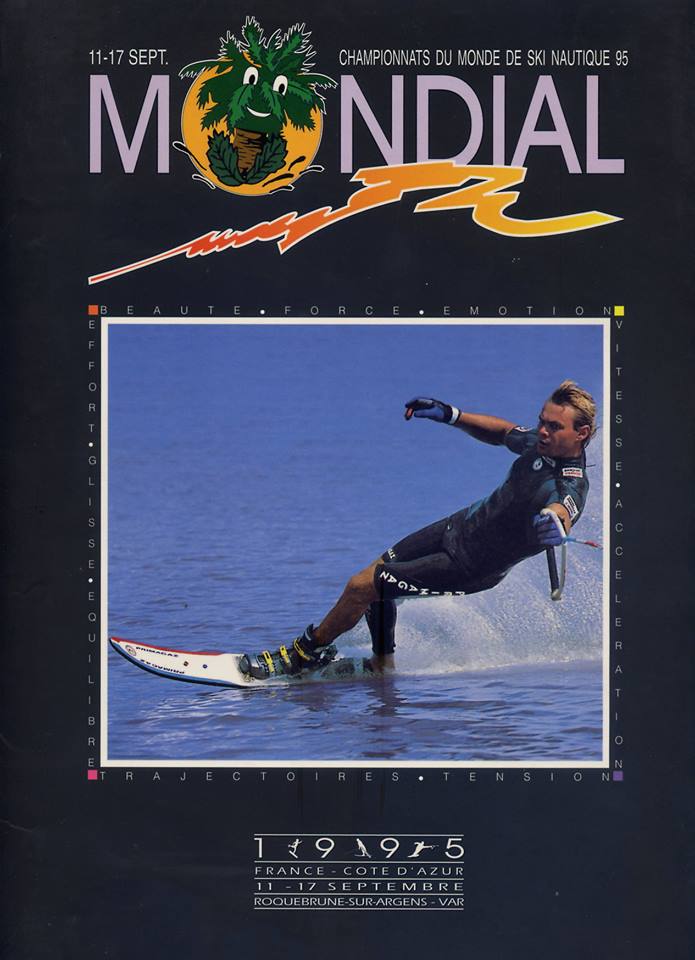
1995 World Waterski Championships in France

Image: Jean-Pierre Serra

3. Roquebrune/Argens, France 1995

Contenders: France vs. the United States

France

  • Christophe Duverger
  • Geraldine Jamin
  • Nicolas LeForestier
  • Patrice Martin
  • Claude Perez
  • Frederique Savin

United States

  • Tory Baggiano
  • Rhoni Barton (Bischoff)
  • Tawn Larsen (Hahn)
  • Brenda Nichols
  • Carl Roberge
  • Sherri Slone

After suffering consecutive defeats at the hands of Canada, the United States was determined to secure a victory and managed to assemble their strongest team since the 1980s. Loaded with overall talent, all four American overall competitors performed exceptionally well, with each of them finishing within the top five. However, the French team had the advantage of competing on their home turf and strategically built their team around a Martin who was performing at the peak of his abilities.

Both teams faced some challenges in the slalom event, as Martin was the only skier from either team to finish in the top five. However, the French team displayed exceptional strength in the trick event, with Savin achieving the highest score among the women during the preliminaries and a young LeForestier posting the top score among the men.

The American team excelled in the jumping event, with Nichols, Roberge, and Slone securing gold, silver, and bronze medals, respectively. When the final results were tallied, it was Team France that emerged victorious in this hard-fought competition.

Key Moment: After failing to ride out a jump in the finals, Martin had to watch from the shore as Roberge, the in form jumper in the world at the time, attempted to squash the French jump scores (all three of which came from the men’s side).

Winning Margin: 19 points. Equivalent to 0.7 meters (2 feet) in jump.

  1. France (8,270 points)
  2. United States (8,252 points)
  3. Canada (8,102 points)
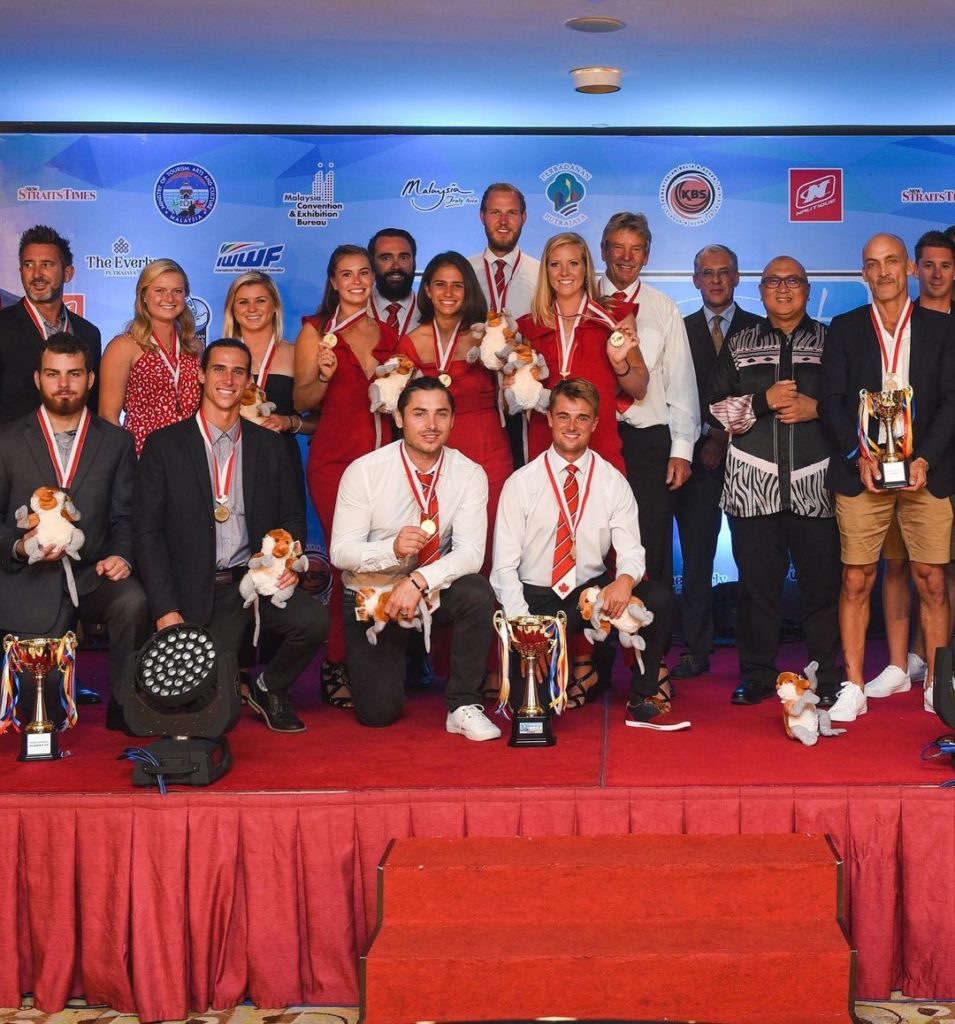
Team Canada wins gold at the 2019 World Water Ski Championships in Malaysia

Image: @iwwfed

2. Putrajaya, Malaysia 2019

Contenders: Canada vs. France vs. the United States

Canada

  • Ryan Dodd
  • Dorien Llewellyn
  • Whitney McClintock Rini
  • Stephen Neveu
  • Paige Rini
  • Neilly Ross

France

  • Pierre Ballon
  • Emma Brunel
  • Manon Costard
  • Tanguy Dailland
  • Thibaut Dailland
  • Louis Duplan-Fribourg

United States

  • Taylor Garcia
  • Anna Gay
  • Brittany Greenwood
  • Regina Jaquess
  • Erika Lang
  • Adam Pickos

The only World Championships where three countries remained in contention right through to the final event was competed in challenging conditions in South East Asia.

The French team initially built a lead through slalom, thanks to Costard’s winning performance and Thibaut Dailland’s impressive preliminary score into 10.25m (41′ off). Canada and the United States caught up in the tricks discipline with strong performances from Llewellyn, Gay, and Ross.

After solid jump scores from Greenwood, Jaquess, and McClintock Rini, it all came down to the men’s jump final. An unknown teenager at the time, Duplan-Fribourg, led the way for France in the preliminaries but wasn’t able to improve in the finals. Garcia managed an extra 10 centimeters for Team USA, extending their lead with only one jumper left to compete. It was Dodd, the final skier of the tournament, who would decide the outcome. Despite the rough conditions, he managed a 67.9-meter (223-foot) jump, securing both the individual jump title and the team gold for Canada.

Key Moment: Canada was in third when Dodd left the dock, but by increasing on his preliminary score by a full 2 meters he squashed Garcia’s and all three French jump scores to leapfrog into first.

Winning Margin: 6 points. Equivalent to 0.2 meters (less than a foot) in jump.

  1. Canada (8,026 points)
  2. United States (8,020 points)
  3. France (7,934 points)

Image: IWSF

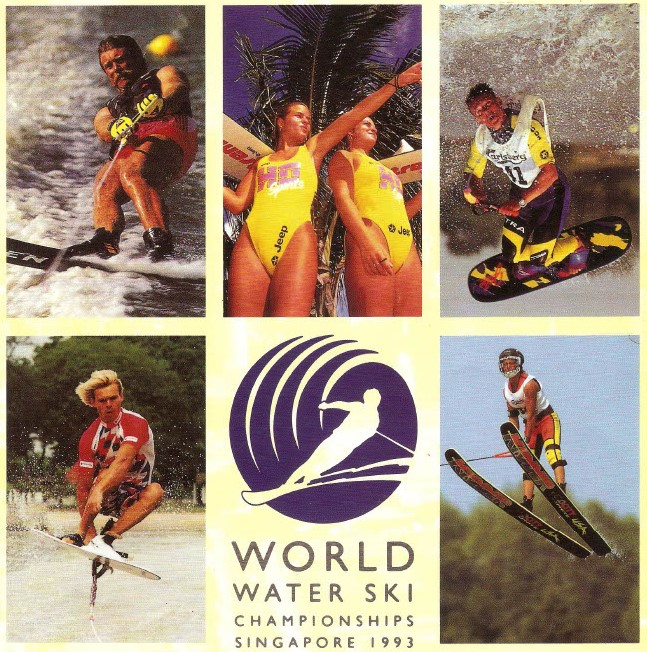
1. Singapore 1993

Contenders: Canada vs. the United States

Canada

  • Jim Clunie
  • Susi Graham (McCormick)
  • Jaret Llewellyn
  • Kim De Macedo
  • Judy McClintock Messer
  • Matt Rini

United States

  • Tory Baggiano
  • Britt Larsen (Kovak)
  • Mike Morgan
  • Brenda Nichols
  • Kristi Overton (Johnson)
  • Sherri Slone

After experiencing their first defeat in 1991, the U.S. returned to the World Championships with a determined vengeance. They even convinced Kristi Overton, a previous U.S. Masters trick champion who had shifted her focus to slalom in 1989, to compete in trick and jump again for her country. Canada, on the other hand, faced challenges with their star from the 1991 Worlds, Kreg Llewellyn, unavailable due to injury.

Competition remained intense throughout the championship. Graham and Overton tied in slalom, just two buoys behind the leader. The American team dominated in the tricks event, with Larsen and Baggiano securing individual gold medals. Unfortunately, an early fall for Jaret Llewellyn ruled him out of the final. While Slone managed to secure 1,000 points in women’s jump during the preliminaries, Nichols missed the finals, only scoring 30.8 meters (101 feet) in the challenging conditions. Strong performances from De Macedo and McClintock Messer, who finished second and third in women’s overall, kept Canada’s hopes alive as they entered the men’s jump final.

With no American men in the final, the United States could only watch from the sidelines as Llewellyn improved his first-round score by over two meters, closing in on the Americans’ lead. The fate of the team’s title now rested with the fiery little truck driver, Clunie, who was the last to ski after posting the longest jump in the preliminary round. Team Canada had been good-humoredly teased for their meticulous approach to the team’s competition, including sending scouts to Singapore in advance to arrange accommodation and training, and using portable computers to calculate live results in the overall standings. One thing was certain: the team management would have made sure Clunie knew exactly how far he needed to jump when he left the dock. His best effort was 58.7 meters (192 feet), which might have seemed somewhat disappointing out of context, as it fell short of Andrea Alessi’s lead. However, for Team Canada, it was just enough to secure the title by the narrowest of margins.

Key Moment: De Macedo’s gold medal winning jump, the only individual gold Canada earned in 1993, where she improved her preliminary score by almost 5 meters.

Winning Margin: 2 points. Equivalent to less than a side slide in tricks.

  1. Canada (8,009 points)
  2. United States (8,007 points)
  3. France (7,829 points)
Greatest Jump Skiers All Time

The 10 Greatest Men’s Jumpers of All Time, Ranked

Rankings

The 10 Greatest Men’s Jumpers of All Time, Ranked

Greatest Jump Skiers All Time

Ranking the best male jumpers of all time.

By RTB

Top 10 Rankings


In the realm of waterski jumping, a select group of exceptional athletes have left a significant mark on the sport. From record-breaking jumps to dominant displays on the professional circuit, these jumpers have showcased their raw talent, determination, and passion for the sport, earning their places among the greatest of all time. In this article, we count down the ten greatest jump skiers in history, celebrating their remarkable achievements and the legacy they’ve built on the water.

‘Greatest Of’ lists in any sport are inherently subjective and water skiing is no exception. There’s no definitive checklist to crown someone as the absolute best. Every fan out there has their own opinion. But decisions had to be made. We proudly present our picks for the greatest male jumpers in the history of competitive water skiing. So sit back, enjoy, and maybe even debate a little over our choices—after all, that’s the fun of it!

Scot Ellis Waterski Jumping

Scot Ellis performs a jump on Lake Grew in October 2011 (image: The Ledger)

10. Scot Ellis

No list would be complete without Scot “The Rocketman” Ellis, whose career spanned an impressive five decades. His extraordinary talent was evident from a young age when he clinched overall and slalom victories at the 1988 U17 World Championships on the Yarra River. Stepping onto the professional circuit in 1990, Ellis swiftly made his mark, securing the season championship of the 1990 Michelob Dry Waterski Tour. Throughout the 1990s, he was a mainstay on the pro tour, winning over 10 individual tour stops and the 1994 U.S. Open. Ellis thrived in the electrifying atmosphere and challenging conditions of the Yarra River, claiming multiple Moomba Masters jump titles on his return visits as a professional.

Alongside Bruce Neville, he pioneered the Ski Fly discipline in the late nineties, leading to its inclusion at the U.S. Masters and on the U.S. Pro Water Ski and Wakeboard Tour. From 1990 until his retirement in 2021, Ellis remained a prominent fixture on the professional circuit, consistently reaching the finals and leaving a lasting legacy on the sport.

Wayne Grimditch Jump Water Ski

Image: IWWF Hall of Fame

9. Wayne Grimditch

Fondly remembered as the iconic voice of professional waterskiing, Grimditch was the frontman of TV coverage on ESPN and USA Network throughout the 1980s and 1990s. A household name in America in the 1970s, he solidified his fame by clinching victory in the 1978 Superstars, a televised competition featuring top athletes competing in sports outside their own (other winners include O.J. Simpson and Herschel Walker). Grimditch featured on ever World Championships jump podium from 1969 to 1975, capturing world titles in 1969 and 1975 alongside two bronze medals. At the U.S. Masters he was a 4-time champion, including an impressive three consecutive victories from 1974 to 1976. He also secured the U.S. national championship in 1975 and the Moomba Masters title in 1973. Pushing the boundaries of the sport, Grimditch broke the world record twice, holding the record for an impressive seven-year stretch during the 1970s. Beyond his athletic achievements, Grimditch had a significant impact on the world of waterskiing as an ambassador for the sport.

Mike Suyderhoud Water Ski Jump

Image: USA-WWF

8. Mike Suyderhoud

The burly Californian was an incredible competitor, excelling across all three events, but it was in the jump event where his talents truly shone. Suyderhoud was the first man to reach the 50 meter mark, breaking the world record twice and maintaining it for a three-year span. A 2-time world jump champion, he claimed victory in 1971 and 1977, while also securing a silver medal in 1967 and a bronze in 1975. Domestically, Suyderhoud won five national championships and four U.S. Masters titles in jump, including an impressive streak of three consecutive titles from 1967 to 1969. Furthermore, His visits to Melbourne yielded back-to-back Moomba Masters titles in 1968 and 1969. During an era with limited major tournaments, Suyderhoud won everything there was to win. After his illustrious competitive career, he transitioned into one of the most sought-after coaches in the world, continuing his legacy in the sport he helped shape.

Carl Roberge Jump Crash

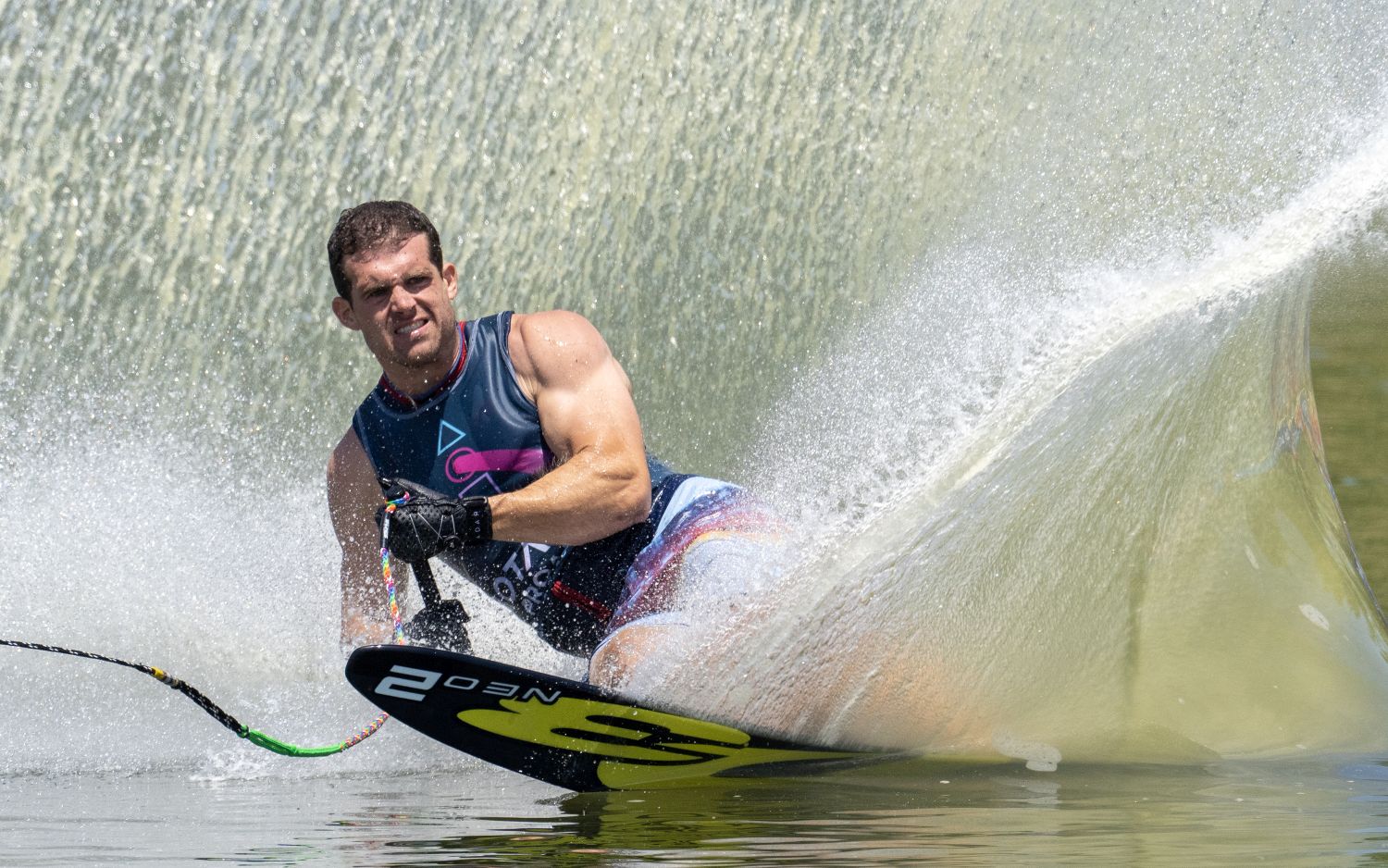
Carl Roberge USA at the Weltcup Wasserski in Luebeck, Germany (Image: Lutz Bongarts)
7. Carl Roberge

Originally from Canada, the Roberges emigrated to California when Carl was only two years old. He became a six-time US team member, contributing significantly to his adopted country’s success in securing five consecutive world championships from 1981 to 1989. Throughout the late eighties and nineties, Roberge was a prominent figure on the professional circuit, amassing an impressive record of over 30 pro tour stop victories. His peak performance occurred in the mid-nineties, where he achieved back-to-back pro tour season championships in 1995 and 1996. Notably, he had an unbeaten season with eight tour stop victories in 1996, secured four consecutive U.S. Masters titles from 1994 to 1997, and earned the runner-up position at the 1995 World Championships.

Bruce Neville IWWF Hall of Fame

Image: IWWF Hall of Fame

6. Bruce Neville

The Australian master, who was at the forefront of men’s jumping during the fastest period of change in the sport’s history. His career began with 72-inch skis towed by hand-driven outboard boats and finished with skis over 90 inches, PerfectPass speed control, and the extraordinary power of Ski Fly boats. During this period, he broke the world jump record on three separate occasions. His achievements include two world championships, with victories in 1991 in Austria and 1995 in France, as well as a bronze medal in 1989. Adding to his accolades, he claimed the U.S. Masters championship in both 1990 and 1993. A consistent force on the pro tour, he amassed an impressive record of over 30 individual tour stop victories. Neville clinched the season champion title on the breakaway PAWS Budget Rent a Car Waterski Tour in 1990, the Budweiser Water Ski Tour in 1993, and the Café de Columbia Water Ski World Cup in 1997. The perennial crowd favorite at the Moomba Masters, Neville’s jumping propelled him to five consecutive overall titles from 1991 to 1995.

Mike Hazelwood European Water Ski Champion

Michael Hazelwood jumping at the 1981 Iron Man Water Ski Classic (Image: Wikimedia Commons)
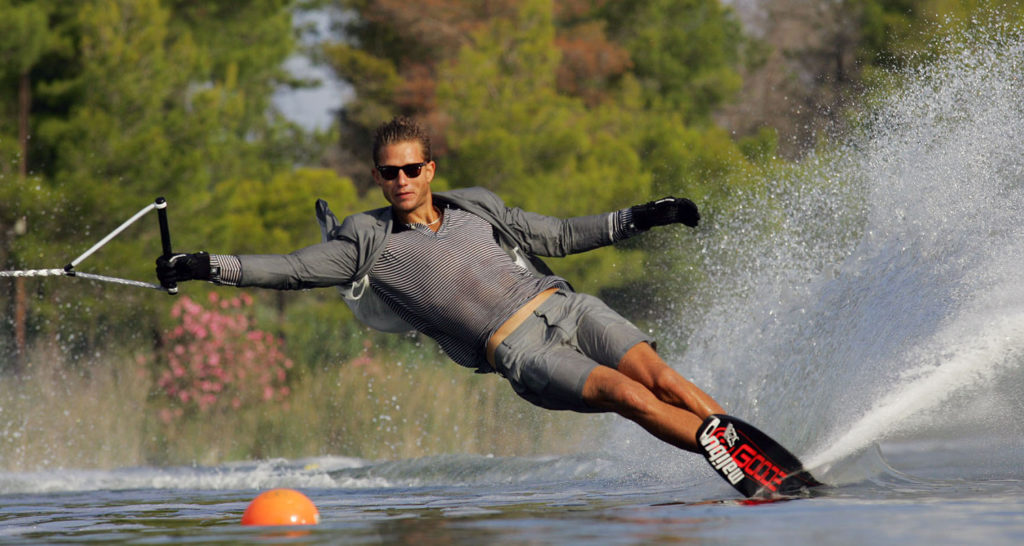
5. Mike Hazelwood

The lone European on this list, Hazelwood’s place among the greatest jumpers of all time was never in question. A trailblazer in the sport, he made history by becoming the first man to jump 60 meters and the second man to jump 200 feet, breaking the world record three times and holding it for a total of five years during the 1980s. Representing Great Britain with distinction, Hazelwood competed at eight consecutive world championships, securing back-to-back world jump titles in 1979 and 1981, in addition to claiming a bronze in 1983 and a silver in 1987. A true force in European skiing, he was a 7-time European jump champion.

Hazelwood was one of the biggest names on the Coors Light Water Ski Tour throughout the 1980s. In 1984, he claimed the inaugural season championship with five consecutive tour stop victories to close out the season. After narrowly finishing as runner up in 1985, he clinched back-to-back season championships in 1986 and 1987. Hazelwood’s dominance was exemplified by his six U.S. Masters jump champion titles, including an impressive streak of four consecutive titles from 1984 to 1987. Additionally, he was a frequent jump champion at the Moomba Masters, with his jumping prowess serving as the foundation for an extraordinary five consecutive overall titles from 1977 to 1981. A household name in England, Hazelwood was honored by Queen Elizabeth II at the end of his career with the title of MBE, “Member of the British Empire.”

Ryan Dodd waterskiing in Palm Bay, Fla. (Image: Mountain View Today)
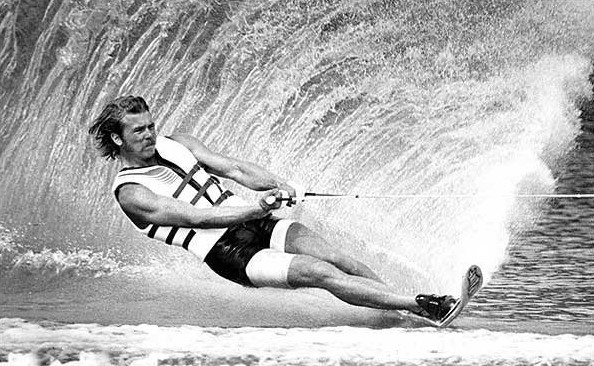
4. Ryan Dodd

Hailing from rural Alberta, Ryan Dodd’s journey from a farm boy to an elite athlete in the world of jump skiing has been nothing short of remarkable. Over the past decade, Dodd has proven to be virtually unbeatable in the jump event. Following podium finishes at the World Championships in 2009 and 2013, he elevated his game to unprecedented heights, securing four consecutive world titles from 2015 to 2021. In 2017, Dodd etched his name in the history books by setting the world jump record, a record that has remained unbroken for an impressive six-year period. He has dominated the professional circuit, winning over 60% of tournaments he has entered since 2015. This dominance earned him five consecutive years as the number 1 ranked elite jumper from 2015 to 2019, and in 2022, he topped the leaderboard in the Waterski Pro Tour. Among his list of professional victories, Dodd boasts five U.S. Masters titles and four Moomba Masters titles, showcasing his skill in all conditions

Based solely on winning percentage, Dodd has a claim to sit atop these rankings. However, a combination of a smaller pool of jump tournaments and absence due to injury in recent seasons has put an asterisk next to his dominance. The youngest skier on this list, it remains to be seen where he will finish up at the end of his career.

Image: Alberta Sports Hall of Fame

3. Jaret Llewellyn

The diminutive Canadian undoubtedly ranks among the greatest overall skiers of all time, but his incredible jumping ability was the cornerstone of his success. As the first man to surpass 70 meters (230 feet), he broke the jump world record three times throughout his illustrious career. A regular on the professional circuit since the early-1990s, Llewellyn was the season champion of the 1998 and 1999 Café de Columbia World Cup. Even in the twilight of his career from 2005 to 2009, he remarkably finished in the top 3 at two-thirds of the events he entered. Llewellyn boasts four world jump championships (1997, 1999, 2001, and 2005) and achieved two runner-up finishes (2007 & 2009). He is also a three-time U.S. Open champion, and a frequent Moomba Masters champion, with three consecutive victories from 2000 to 2002, along with back-to-back victories in 2008 and 2009.

Jaret dominated during the Ski Fly era in the early 2000s, winning four out of the six years that Ski Fly was held at the U.S. Masters and the season championship of the 2001 U.S. Pro Water Ski and Wakeboard Tour (the only year that all jump events were Ski Fly). His world record of 299 feet appeared as if it would never be touched after the discipline faded into oblivion, but was eventually broken 15 years later.

Sammy Duvall jumping at the 1987 World Championships.

Sammy Duvall jumping at the 1987 World Championships.

2. Sammy Duvall

Hailing from Greenville, South Carolina, Duvall held No. 1 world ranking in either jump or overall for eleven consecutive seasons from 1983 to 1993. Alongside his sister Camille, the Duvall siblings became iconic figures in the world of professional water skiing during its golden era. Duvall’s domination in jumping on the U.S. pro tour remains unparalleled, securing the season champion title an impressive six times between 1985 and 1994, and accumulating over 40 individual tour stop victories. Additionally, from 1979 to 1993, he secured six U.S. Masters titles and three U.S. Open titles. At the Moomba Masters, he picked up three overall titles on the back of his strong jumping performances.

As a two-time world jump champion, Duvall showcased his talent on the global stage, winning the inaugural World Games in 1981 and achieving World Championships gold in Sweden in 1983 and in England in 1987. The latter victory is particularly memorable, as it marked a crucial moment in one of the sport’s tightest-ever Overall competitions, where he needed to win the jump event to surpass Australia’s Mick Neville. Remarkably, Duvall’s retirement from amateur events after the 1987 worlds meant he never competed at a World Championships during his peak as a jumper.

While Glenn Thurlow and Hazelwood may have preceded him in breaking the 200-foot barrier, Duvall’s achievements were no less extraordinary. He broke the world jump record six times throughout his career, holding the record for an impressive seven years during the 1990s, adding 6 meters (nearly 20 feet) to the existing record. His contributions to the sport have left an indelible mark, solidifying his status as one of the greatest waterski jumpers in history.

Freddy Krueger Waterski Jumping

Image: Orlando Sentinel

1. Freddy Krueger

Born in Decatur, Illinois, nine years before his name would forever become associated with A Nightmare on Elm Street, Frederick August Krueger IV, better known as “the Nightmare”, stands as the only man to win professional titles in four different decades. Hailing from Illinois, Krueger honed his skills under the guidance of Jay Bennett in Louisiana, eventually establishing himself as the unquestionable greatest water ski jumper of all time.

Over an illustrious career, Krueger has won a remarkable five World Championships, including four consecutive titles from 2007 to 2013. Impressively, he featured on every World Championships jump podium from 1999 to 2013 until an injury kept him from the 2015 event. He has broken the world jump record eight times, reigning as the record-holder for an impressive twelve and a half years. In addition, Krueger holds the world ski fly record as the first (and only) man to jump over 300 feet.

Announcing his arrival onto the professional scene in 1995 on the Budweiser Water Ski Tour, Krueger won two tour stops in his debut season. While he remained a contender through the late 1990s, it was the new millennium that witnessed Krueger’s true ascent. In 2002, he claimed the top spot on the elite rankings, a distinction he held for an unparalleled 11 consecutive seasons from 2004 to 2014. In a memorable achievement, Krueger matched Mapple’s record of 14 U.S. Masters titles in 2021. Proving his versatility, he has attained victories all around the world, conquering both perfect man-made lakes and challenging, spectator-friendly venues like Robin Lake and the Yarra River. A battle-hardened professional, Krueger holds the night jumping record and is known for his one-and-done victories as a frequent top seed.

When it comes to challenging Andy Mapple’s status as the GOAT, few skiers possess a resume as impressive as the Nightmare, Freddy Krueger.

Honorable Mentions:

Glenn Thurlow

Thurlow holds the distinction of being the first man to jump 200 feet. In addition, he achieved four podium finishes at the World Championships from 1977 to 1985, multiple Moomba Masters titles, and a sole tour stop victory on the Coors Light Water Ski Tour, on which he was a mainstay.

Geoff Carrington

A two-time world jump champion in 1985 and 1989, and a Moomba Masters champion, Carrington was a regular on the pro tour until his tragic accident in 1990. Had his career continued throughout the 1990s he may well have ended up on this list.

Jimmy Siemers

His greatest achievements came in the overall event, but Siemers was also a two-time world record holder in jump and overtook Freddy Krueger and Jaret Llewellyn as the no.1 ranked elite jumper in 2003.

Ricky McCormick

Claiming water skiing’s sole Olympic gold medal in the jump event at the 1972 Munich Olympics, he was also the 1973 world jump champion. McCormick may be the most viewed jumper of all time, as he was the stunt double for Henry Winkler when the Fonz jumped the shark on Happy Days.

Blue & Green Water Ski Lakes in the California Desert

California Dreamin’ – Why Does America’s West Coast Produce So Few Elite Skiers?

Articles

California Dreamin’ – Why Does America’s West Coast Produce So Few Elite Skiers?

Blue & Green Water Ski Lakes in the California Desert

California’s hidden water ski lakes (image: West Coast Aerial Photography, Inc)

By Jack Burden


When it comes to water skiing, California seems to have all the ingredients for producing elite skiers: a large population, numerous skiers, abundant tournaments, a wealth of man-made water ski lakes, and enviable weather conditions, especially in Southern California that allows comfortable year-round skiing. Yet, the puzzling reality remains that America’s West Coast, including California, has only seen a handful of water skiing professionals rise to the top ranks in the last two decades. In this article, we explore the factors that contribute to this enigma.

At first glance, California seems poised to dominate the world of water skiing. It boasts the second largest number of competitive skiers and tournaments in the United States. Additionally, the presence of numerous man-made water ski lakes and the mild climate present an ideal breeding ground for ski talent. Despite these advantages, the list of elite professionals hailing from or based in California remains relatively short.

When scanning the current roster of professional water skiers, the number of prominent names emerging from California is modest. Terry Winter, Marcus Brown, and Brian Detrick are some of the notable figures of the 21st century. Young talent like Blaze Grubbs adds promise to the list, yet it’s evident that California doesn’t dominate the scene. The western region also claims Erika Lang and the Abelsons in Arizona, but the concentration of elite skiers remains highly diluted when compared to other regions.

A Historical Perspective

The history of water skiing in California boasts numerous milestones. The state hosted the first professional tournaments in the U.S. and has served as the residence for some of the sport’s most exceptional skiers, including the LaPoints, Mike Suyderhoud, and Deena Brush. Moreover, the region holds the distinction of pioneering the concept of man-made lakes for the sport. The first, Horton Lake in the Mojave Desert, was completed in 1969, and numerous others, such as Radar Lake in Washington, were excavated in the early 1970s. Notably, California emerged as a favored water ski destination in the 1980s and early 90s, housing flourishing ski schools like Suyderhoud’s and Horton’s.

The Florida Advantage

Florida’s dominance in the water skiing arena might hold the key to unraveling the California puzzle. Several factors have earned Florida its reputation as the “water skiing capital of the world,” overshadowing California. The abundance of natural water bodies, coupled with a lower cost of living, proved appealing. Florida’s proximity to the Midwest and East Coast allowed it to tap into a wider range of prospective skiers, while its accessibility to Europe became a critical advantage. California’s ski schools, although popular locally and with skiers from Australia and New Zealand, couldn’t match the network effects generated by Florida’s concentration of top-tier athletes.

The history of top skiers from California relocating to the Sunshine State is a prime example of this trend. The migration of talent has contributed to Florida’s stronghold on the sport. The Garcias, Taylor and Ali, were born and came up through the junior ranks in California but relocated to Florida to access the coaching and training opportunities of the Sunshine State. This pattern dates back much further, with icons like Rhoni Barton, the Roberges, and Deena Brush all making moves from California to Florida. This history of talent migration has reinforced Florida’s network effects, further concentrating elite skiers in the region and enhancing its competitive edge.

The Contemporary Scenario

Today, California’s water skiing landscape reflects a distinct trend. The sport has shifted towards a country-club style, predominantly taking place behind closed doors on private man-made lakes. This shift has come at a cost. The scarcity of ski clubs, coupled with some of the country’s highest tournament entry fees, has limited the sport’s accessibility. Demographics mirror this shift, with California experiencing a relative dearth of junior skiers compared to other regions.

The three most expensive states for tournament skiing are in the western region.

The scene in California serves as a microcosm for larger challenges facing the sport. The issues of accessibility, limited access to public water bodies, and the scarcity of ski clubs are emblematic of a broader struggle. While private man-made lakes provide an exclusive arena for the sport, they inadvertently contribute to its limited visibility and accessibility. The higher cost associated with these facilities hinder the involvement of a diverse range of participants. This trend is mirrored across various regions, reflecting a broader dilemma in water skiing—a balance between exclusivity and broader accessibility. Understanding these challenges within the Californian context could offer valuable insights for steering the sport towards a more inclusive future on a national and international scale.

In conclusion, California’s puzzle of producing fewer elite water skiers than expected is a complex one. While the state boasts all the prerequisites, a confluence of historical choices, geographical advantages of Florida, and changing dynamics of the sport have shaped the present scenario. Nonetheless, California remains critical to water skiing’s future as it grapples with these challenges and seeks to strike a balance between its rich legacy, the evolving demands of the sport, and the need for a more inclusive and accessible path forward.

Top 10 female slalomers

The 10 Greatest Women’s Slalom Skiers of All Time, Ranked

Rankings

The 10 Greatest Women’s Slalom Skiers of All Time, Ranked

Ranking the best female slalomers of all time.

By RTB

Top 10 Rankings


In the world of water skiing, history has been written by remarkable women who defied limits and left indelible marks on the sport. Crafting an objective ‘Top 10’ list from such a rich tapestry of talent is a daunting task, as each athlete’s journey is a testament to their unique strengths and contributions. Nevertheless, we embark on a quest to honor these athletes who have carved their names into the annals of women’s slalom skiing. Join us as we celebrate their achievements, relive their triumphs, and remember their enduring impact on the sport.

‘Greatest Of’ lists in any sport are inherently subjective and water skiing is no exception. There’s no definitive checklist to crown someone as the absolute best. Every fan out there has their own opinion. But decisions had to be made. We proudly present our picks for the 10 best women’s slalomers in the history of competitive water skiing. So sit back, enjoy, and maybe even debate a little over our choices—after all, that’s the fun of it!

Deena Brush Hall of Fame

Image: USA-WWF

10. Deena Brush Mapple

The “First Lady of Water Skiing”, though most celebrated for her jump prowess, the California native notched an impressive record in slalom across her 25-year career. She broke or tied the world slalom record five times, holding or co-holding the record throughout most of the 1980s. She secured a place on five World Championships slalom podiums, including runner-up honors in 1983 and 1989. A three-time U.S. Masters slalom champion, she won in 1979, 1983, and at the inaugural professional Masters in 1985, she also clinched the Moomba Masters slalom title in 1990. A steadfast presence on the pro tour in the late 1980s and early 1990s, Deena emerged as the tour champion of the breakaway PAWS Budget Rent-a-Car Waterski Tour in 1990.

Habermann recognised for her success. (image: The Courier Mail)

9. Emma Sheers

The determined Australian burst onto the scene as one of the best jumpers in the world during the 1990s, yet it was in the slalom event that she truly ascended in her later career. Emma dominated women’s slalom in the early 2000’s, securing back-to-back World Championships in 2001 and 2003. She won the Moomba slalom title three times (in 2003, 2005, and 2008) and achieved consecutive U.S. Masters slalom victories in 2003 and 2004. Her consistency earned her the distinction of the top ranked elite slalom skier in 2003 and 2004.

Cindy Todd, overall skier extraordinaire

Cindy Todd, overall skier extraordinaire (image: USA Water Ski & Wake Sports)

8. Cindy Todd

An outstanding overall skier who almost drifted away from the sport during her teenage years, Cindy (then Hutcherson) swept both the Junior Girls’ and Girls’ Divisions at U.S. Nationals as a teenager. Her return to the competitive arena was spurred by her husband, the now renowned boat driver Les Todd. In her comeback season in 1975 she broke the world slalom record on her way to clinching her first Open Women’s title at the U.S. Nationals. Over her career, she would break the record four more times, contributing to increasing the record a full pass from 2@12m (35’ off) to 2@11.25m (38’ off). With three world slalom championships (in 1977, 1981, and 1983) and three U.S. Masters titles (in 1976, 1981, and 1982), Cindy cemented her legacy as one of the greatest in the sport.

Susi Graham at the 1999 Pan Am Games

Susi Graham at the 1999 Pan Am Games. (image: IWSF)

7. Susi Graham McCormick

Part of the first husband-wife duo to enter the international water ski Hall of Fame, Susi and Ricky McCormick both etched their names in water ski history. Susi, a Canadian, set the bar by becoming the first woman to run 11.25m (38’ off). She either held or co-held the world record for six consecutive years during the early and mid-1990s. While never quite securing top honors, she featured on the World Championships podium four times between 1989 and 1999 and contributed significantly to Canada’s team victories in 1991, 1993, and 1999. She won five U.S. Masters titles, five U.S. Open titles, and took out the season title on the 1989 Coors Light Water Ski Tour, 1993 Budweiser Water Ski Tour, and twice on the Café de Columbia World Cup in 1997 & 1998.

Champion skier Liz Allen Reid (image: Facebook)

6. Liz Allan

Despite competing in the pre-professional era, Liz accumulated an unparalleled competitive record, possibly unrivaled by any skier, male or female. Over her 13-year career, she clinched 42 U.S. National titles, consistently securing a minimum of two titles each year. In a stunning feat, she emerged victorious in all three events at the U.S. Nationals, World Championships, and U.S. Masters in 1969. She thrived in the slalom event, achieving three world championships (in 1967, 1969, and 1975), two runner-up finishes (in 1965 and 1973), and five U.S. Masters slalom titles, including a run of three consecutive titles (from 1973 to 1975). Given the opportunity to compete in more tournaments she could easily be much higher up this list.

Ontario’s Whitney Mcclintock Rini at the Masters (image: Waterski & Wakeboard Canada)

5. Whitney McClintock Rini

The “Golden Girl” from Canada, Whitney introduced herself to the elite stage by clinching three gold medals (in slalom, trick, and overall) at the 2009 World Championships in Calgary. From 2009 to 2017, she featured on every World Championships slalom podium, earning back-to-back world titles in 2009 and 2011. Her tie with the world record in 2012 and subsequent score of 2.25@10.25m (41’ off) remains a remarkable feat surpassed by only one other skier to this day. She is a former U.S. Masters and U.S. Open slalom champion, but her domination at the Moomba Masters stands out, boasting an impressive streak of eight consecutive victories from 2011 to 2019. Her slalom prowess earned her four seasons as the top ranked elite slalom skier in 2011, 2013, 2014, and 2017.

Sweden's four-time world slalom champion, Helena Kjellander.

Sweden’s four-time world slalom champion, Helena Kjellander. (image: Tumblr)

4. Helena Kjellander

While her brother Mike might be more memorable for his unique slalom style, Helena achieved something her brother could not – dominating the top of the World Championships podium throughout the 1990s. She won an incredible four consecutive World Championships from 1991 to 1997, a feat that remains unparalleled in women’s slalom. Thriving under pressure, two of her victories came in run offs, one against Toni Neville in 1993 and another after a three-way tie with Kristi Overton-Johnson and Susi Graham in 1995.

On the professional circuit, Helena triumphed as a two-time U.S. Masters champion (in 1989 and 1993), back-to-back Moomba Masters titleholder (in 1994 and 1995), and claimed the 1990 Michelob Dry Waterski Tour season championship after a fierce yearlong rivalry with Overton-Johnson and Brush Mapple.

Camille Duvall-Hero was a strong advocate for women’s skiing

Camille Duvall-Hero was a strong advocate for women’s skiing. (image: Tom King)

3. Camille Duvall

Recognized as “the best-known female water skier in history” upon her retirement by USA Today and featured among Sports Illustrated’s “100 Greatest Female Athletes of the Century,” Camille was the poster girl of the pro tour during its inaugural decade. Arguably, the inclusion of women’s skiing in the 1980s’ pro tour owes much to Camille’s marketability and star power.

Demonstrating a dominance that has only ever been matched by Andy Mapple, Camille claimed the tour champion title for an impressive five consecutive seasons (Mapple’s best was also five), winning the Coors Light Water Ski Tour every year from its inception in 1984 to 1988. Remarkably, this streak encompassed over 20 individual tour stop victories throughout the 1980s. In addition to her pro tour achievements, she clinched the 1985 World Championships title and secured a runner-up position in 1987. Notably, 1987 marked her retirement from amateur events, coinciding with her accomplishment as the first woman to earn a six-figure sum in a single year through prize money and endorsements. Camille was also a three-time U.S. Masters champion, with back-to-back wins in 1986 and 1987.

Her contributions to the sport transcend her on-water triumphs. In 1990, she initiated and managed the breakaway PAWS Budget Rent-a-Car Waterski Tour, an endeavor aimed at improving skiing conditions and prize money for athletes. Even after retiring, Camille continued her involvement by assuming roles as a reporter and producer for ESPN, Fox Sports, and other platforms, consistently promoting professional water skiing.

Elite Skier Kristi Overton Johnson USA (image: IWSF)

2. Kristi Overton-Johnson

Kristi Overton-Johnson, talented from a young age, initially found success in trick skiing, claiming back-to-back victories at the 1985 and 1986 U.S. Masters. However, her career really took off after she decided to specialize in slalom from 1989 onwards. A trailblazer, Kristi was the first woman to run 10.75m (39.5’ off), setting a world record of 1@10.25m (41’ off) in 1996 that remained unbroken until Regina Jaquess managed an extra quarter buoy 14 years later.

She was a six-time U.S. Masters champion, four-time U.S. Open champion, and secured multiple Moomba Masters titles, including back-to-back victories in 1996 and 1997. Kristi’s dominance earned her the season titles of the 1992, 1994, and 1995 Budweiser Water Ski Tour, the 1999 Café de Columbia World Cup, back-to-back season titles on the U.S. Pro Water Ski and Wakeboard Tour in 2000 and 2001, and an unbeaten season during the 2000 World Cup series (wining eight out of eight events). Her pro tour achievements are even more impressive when you consider that women’s events were excluded from the U.S. Pro Tour from 1996 to 1999, during the peak of her career.

Perhaps the unluckiest skier in the history of World Championships, Kristi scored enough to win the gold in both 1995 and 1997, only to lose due to bad boat times. She won her sole World Championships in 1999, ending Helena Kjellander’s reign on top of the podium.

Regina Jaquess comeback story (image: Andrews Sports Medicine)

1. Regina Jaquess

Perhaps the greatest water skier, male of female, of all time. Regina emerged as an extraordinary talent from a tender age, securing a world trick championship shortly after her 17th birthday. Just two years later, she clinched her first of five world overall titles. However, it’s the slalom event that has been the cornerstone of her success.

Throughout her illustrious career, Regina has either broken or equaled the slalom world record on nine occasions, holding the record continuously since 2009. Incredibly, she has run 10.75m (39.5′ off) more than all other women combined. Her achievements include a maiden slalom World Championships victory in 2005, followed by consistent appearances on the slalom podium from 2011 to 2021, including trio of consecutive wins from 2013 to 2017. On the professional circuit, she has seized over 50 slalom titles, winning in more than 60% of the events she’s ever participated in. Notably, she has secured nine U.S. Masters slalom titles spanning from 2008 to 2022, achieving five consecutive victories from 2012 to 2016. While she has claimed victory in the trick event on the Yarra, the only discernible gap in Jaquess’ remarkable legacy appears to be the absence of a Moomba Masters slalom title.

Her achievements are even more impressive when you consider that since 2010 she has owned and operated a compounding pharmacy in Santa Rosa Beach, Florida. Remarkably, she has managed to find a balance between training, competing, and running a business, underscoring her unparalleled dedication and prowess in the world of professional water skiing.

Honorable Mentions:

Sue Fieldhouse

Featured on back-to-back World Championships podiums in 1979 and 1981, including a memorable tournament in 1981 where she broke the world record and became the first woman to ever run 12m (35’ off) in the final but finished in third under the two-rounds added together format. She won an incredible six consecutive Moomba Masters slalom titles from 1977 to 1982. Sue was tragically killed in a car accident in 1983.

Jennifer Leachman LaPoint

A three-time world record holder, Jennifer helped advance the record from 4@11.25m (38’ off) to 3@10.75m (39.5’ off) between 1985 and 1996. She won the 1998 Moomba Masters and was the season champion of the 1991 Michelob Dry Waterski Tour.

Perhaps her greatest legacy, when women’s skiing was dropped from the pro tour in the late 90s, Jennifer spearheaded the Women in Water Skiing (WOW) Tour that gave a platform to female athletes across all three events and wakeboarding on Fox Sports.

Karina Nowlan

The second woman to run 10.75m (39.5’ off), the Australian co-held the world record with Kristi Overton Johnson before Regina took it off them in 2010. She finished up as the number one elite slalomer in 2008 and picked up bronze medals at the 2007 and 2009 World Championships.

Karen Truelove

Picked up two World Championships medals, including a runner-up finish in 2007. She is a two-time U.S. Masters champion, three-time U.S. Open champion, and a four-time Moomba Masters champion. Karen was also the number one ranked elite slalomer in 2002 and 2007.

Jaime Bull

Had a breakthrough season in 2021, winning the U.S. Masters and World Championships. Jaimee has finished at the top of the standings during the first two seasons of the Waterski Pro Tour. Still in her early 20s, we expect Jaime will finish her career high on this list if she can maintain her current trajectory.

King of Darkness Water Ski Tournament

Show Me The Money! Exploring the Resurgence in Professional Water Skiing

Analysis

Show Me The Money! Exploring the Resurgence in Professional Water Skiing

King of Darkness Water Ski Tournament

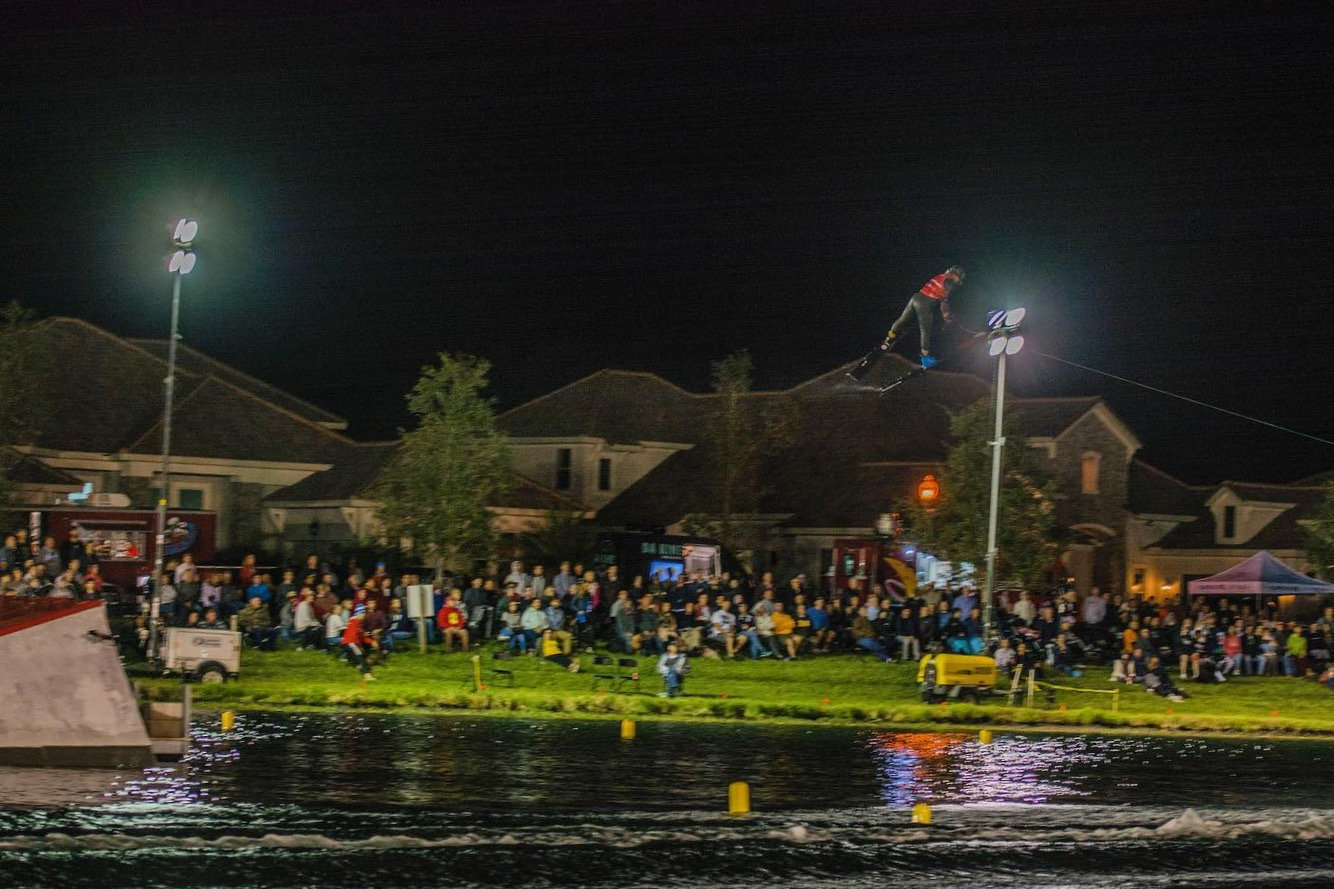
King of Darkness, along with other new events like Kaiafas Battle ProAm and WWS Calgary Cup, attracted large crowds this year (Image: Waterski Pro Tour)

By Jack Burden


In recent years, professional water skiing has appeared to be undergoing a resurgence. Record prize purses, a thriving European tour, and a jam-packed schedule are all positive signs. However, the question arises: is the situation genuinely improving or are we simply more attuned to all the events in this digital age? In this article, we delve into the cold hard facts of professional water skiing’s prize money.

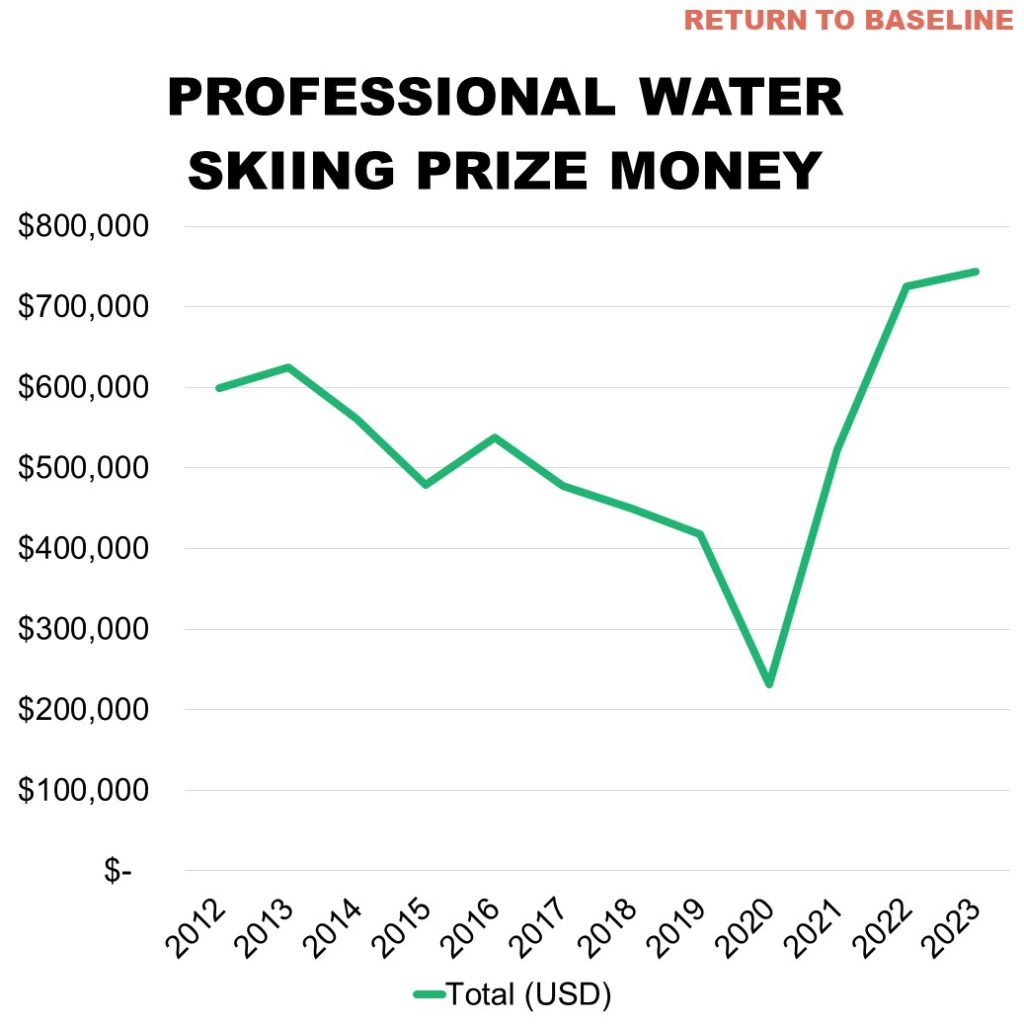
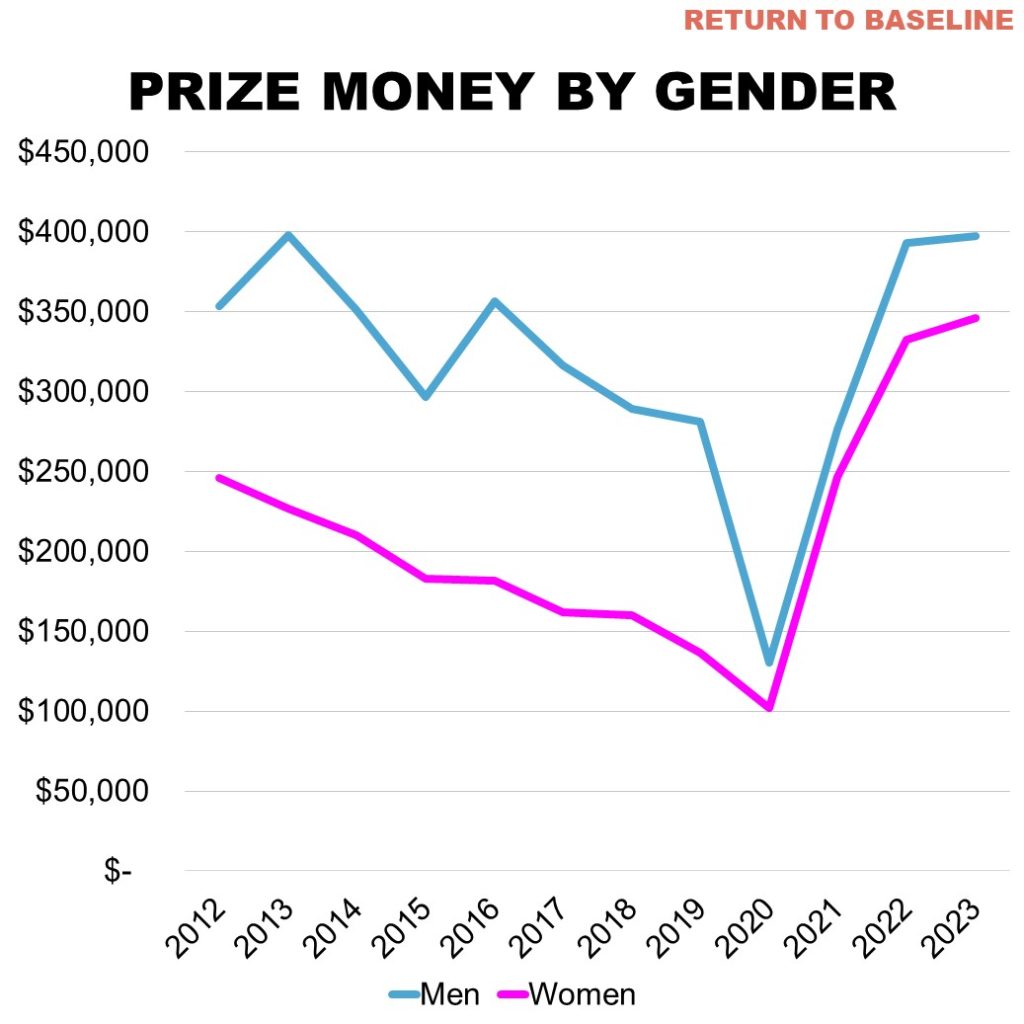
Both 2022 and 2023 marked record-breaking years for professional water skiing, boasting higher prize money than seen in the past 15 years. Also notable is the change in distribution between men’s and women’s prize money. For years, women received around 60 cents for every dollar earned by their male counterparts in skiing events, yet this gap has remarkably reduced to just 10 cents over the last three years.

Professional Water Skiing Prize Money
Professional Water Skiing Prize Money by Gender

Total advertised prize money for IWWF sanctioned professional tournaments. (Source: IWSF, Waterski Pro Tour, etc.)

This is an incredible success story for our small, fledgling sport. The ability to sustain a proliferation of professional events while the base of tournament skiers has diminished reflects the remarkable efforts of tournament organizers in securing sponsorships.

Credit is also due to the season-long storyline of the Waterski Pro Tour, which transforms once-isolated, lesser-known tournaments into significant events. Similarly, the WWS Overall Tour has excelled in attracting sponsors from beyond the sport’s confines, presenting us with the first consistently organized professional overall events in this century.

Thanks to the convenience of webcasting in the present digital era and the exceptional efforts of TWBC, now might indeed be the best time ever to be a fan of the sport. Water ski enthusiasts can enjoy streamed events nearly every weekend throughout the summer.

Nonetheless, even the most dominant athletes struggle to sustain themselves solely from professional victories. Many competitors supplement their income through coaching, regular employment, or the benevolence of affluent parents – indeed, this is a sport largely for the elite. Even Nate Smith, who has outperformed all others in tournament wins over the past decade, has found himself needing a traditional job in recent times.

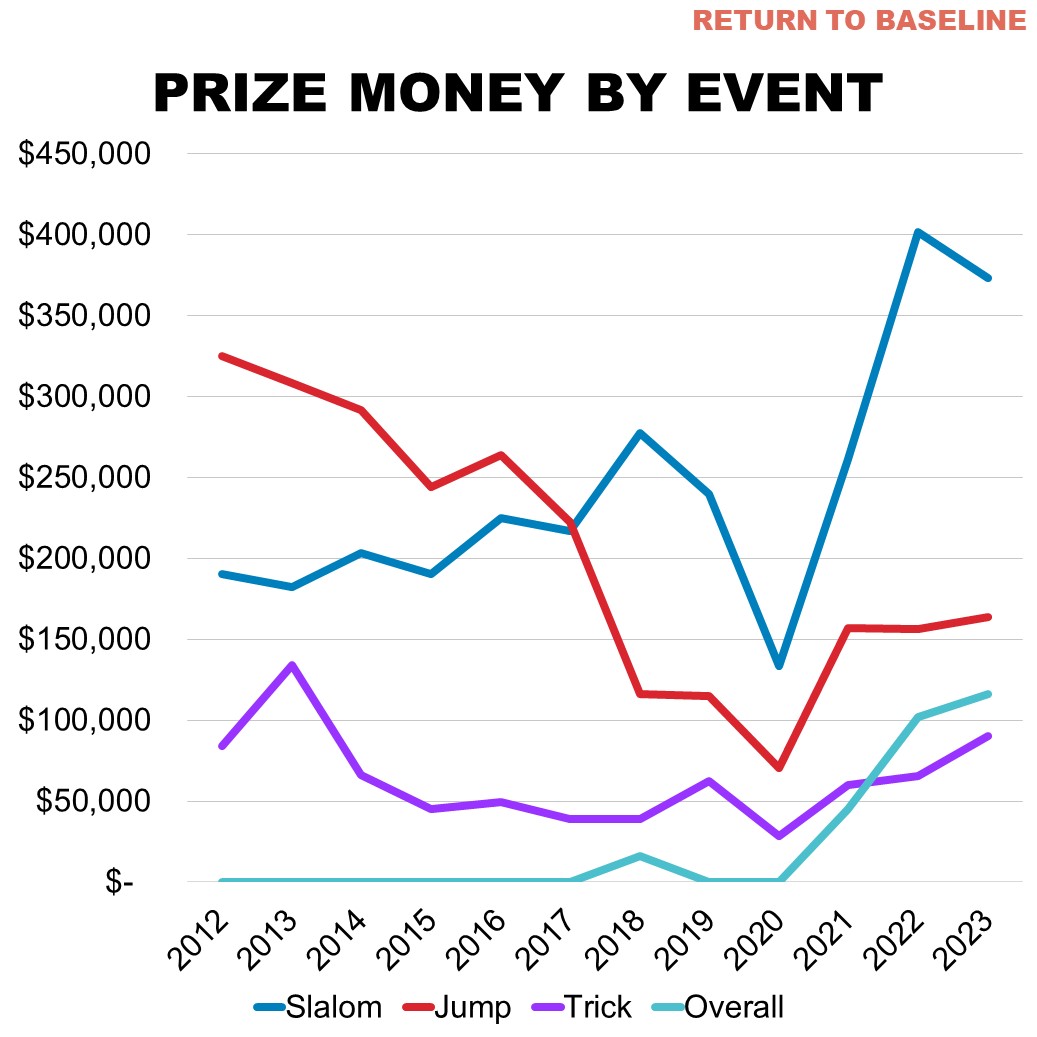
The surge in prize money hasn’t been distributed evenly either. While it’s undoubtedly a golden era for slalom skiers, especially women, other disciplines haven’t fared as well. Jumping, arguably the most thrilling and marketable aspect of water skiing, has witnessed a substantial decline over the past decade, with total prize money now less than half of what it was a decade ago. Additionally, trick skiing, while showing some progress, still falls significantly short of the prize money available during the discipline’s heyday in the 2000s, during the era of IWWF World Cup stops.

Professional Water Skiing Prize Money by Event

Total advertised prize money for IWWF sanctioned professional tournaments. (Source: IWSF, Waterski Pro Tour, etc.)

Certainly, we must also factor in inflation. While there have been large increases in recent years, adjusting for inflation reveals that the total prize pool for 2023 is essentially comparable to 2015 levels, and notably lower than the offerings during the peak years of the pro tour in the eighties and nineties.

Although we might still be quite distant from the bygone glory days, it’s crucial to acknowledge that the sport has embarked on an impressive upward trajectory in recent years. Broadly speaking, now is the best time in the last decade to be a professional water skier, and probably ever for fans of the sport. This progress is something to be celebrated, and to all the diligent individuals toiling behind the scenes, we say thank you!

Greatest Slalom Skiers Ranked

The 10 Greatest Right-Foot-Forward Slalom Skiers of All Time, Ranked

Rankings

The 10 Greatest Right-Foot-Forward Slalom Skiers of All Time, Ranked

Greatest Slalom Skiers Ranked

Ranking the best male right-foot-forward slalomers of all time.

By RTB

Top 10 Rankings


Last month we ranked the 10 greatest left-foot-forward slalom skiers of all time. Now we turn to the ‘righties.’ This list features the most dominant athletes in the sport, making it a contentious and challenging task to determine the top 10.

From pioneers who shaped the sport to modern-day maestros, these skiers have consistently showcased their proficiency and expertise on the water. In this article, we take a closer look at the ten greatest male right-foot-forward slalom skiers of all time. Their remarkable achievements and valuable contributions to the sport have earned them a rightful place in the annals of slalom skiing history.

‘Greatest Of’ lists in any sport are inherently subjective and water skiing is no exception. There’s no definitive checklist to crown someone as the absolute best. Every fan out there has their own opinion. But decisions had to be made. We proudly present our picks for the 10 best male right-foot-forward slalomers in the history of competitive water skiing. So sit back, enjoy, and maybe even debate a little over our choices—after all, that’s the fun of it!

Jodi Fisher Slalom Skiing

Image: John Goldie (via IWSF)

10. Jodi Fisher

Like many Brits before and after him, Jodi Fisher was a resilient competitor who excelled in all conditions. Although he may not have achieved the high scores of some of his contemporaries, Fisher’s ability to secure titles at challenging sites solidified his position as one of the top-performing slalom skiers of the 2000s. Among his major achievements are two Moomba Masters titles (2003 & 2007) and four IWWF World Cup stop victories in Doha, Qatar; Enniskillen, Ireland; and Dubna, Russia (twice).

Carl Roberge Slalom Skiing

Image: Carl Roberge (via about.me)

9. Carl Roberge

Primarily remembered for his late-career dominance in the jump event (he famously remained undefeated throughout the entire 1996 Café de Columbia Water Ski Tour), Roberge was a formidable contender in the slalom event for most of his career. He claimed victory in the slalom competition at both the 1981 U.S. Masters and Moomba Masters. Additionally, he reached the podium in slalom at the world championships twice, earning a bronze in 1985 and a silver in 1989. Roberge’s most significant achievement in slalom was winning the 1986 Coors Light Water Ski Tour championship, showcasing his consistency in a highly competitive field where no skier won more than two events throughout the season. Notably, he is the only skier to be crowned tour champion in both the slalom and jump events.

Freddie Winter Slalom Skiing

Freddie Winter of Great Britain is seen during the final of the BotaSki water ski ProAm (Image: Johnny Hayward)

8. Freddie Winter

A fiery Brit who wears his heart on his sleeve and isn’t afraid to speak his mind, even if it gets him into trouble with officials and the sport’s governing bodies. Winter is a fan favorite, known for his tenacity in fighting for every extra buoy and spectacular falls. His remarkable career includes winning over 20 professional titles, including finishing as the no.1 ranked elite slalomer in 2019. He continued his success in the Waterski Pro Tour, securing 2nd place in the first two seasons (2021 & 2022). From 2013 to 2019, he featured on every World Championships slalom podium, capturing the victory in challenging conditions at the 2017 tournament in Paris, France. Winter also won back-to-back U.S. Masters titles in 2019 and 2021. Despite his many triumphs, one challenge still stands – conquering the Yarra River.

One of the youngest skiers on this list, we expect Winter could move up the ranks in future years.

TGAS Slalom Water Ski

Malibu team Skier, Thomas Degasperi (Image: Memphis Boat Center)

7. Thomas Degasperi

the suave Italian, Degasperi is a master of the slalom course. He has become one of the most recognizable figures in the sport, starring on the Italian version of Dancing with the Stars and featuring in a series of U.S. TV commercials for 5 Hour Energy. Degasperi’s many achievements include being a two-time world champion, claiming the top spot in 2007 and 2011, and earning two silver medals in 2009 and 2015. Nobody has won more European slalom titles than Degasperi, whose record clocks in at a staggering 10 wins between 2002 and 2023. Throughout two decades of professional skiing, he has been a consistent force on the podium, securing notable victories at the U.S. Masters in 2014 and the Moomba Masters in 2014, 2017, and 2019.

Kris LaPoint Slalom Skiing 1975 Worlds

Kris LaPoint at the 1975 World Championships (Image: Bell Acqua)

6. Kris LaPoint

Comparing skiers across eras is fraught with difficulty and we believe that if LaPoint had more opportunities to participate in professional tournaments during his prime, he would have ranked even higher on this list. As the elder of the LaPoint brothers, Kris displayed incredible skill from a young age. At just 13 years old, he set his first world slalom record and went on to break it six more times throughout his career. In 1972, while still a teenager he won the first-ever cash prize tournament in the U.S., the California International Cup.

LaPoint’s achievements include being a seven-time U.S. Masters slalom champion, with an impressive streak of four consecutive titles from 1970 to 1973. In the 1979 world championships, he secured a 2nd place finish, just behind his brother Bob. Despite the U.S. pro tour beginning when he was already 31 years old, Kris remained a frequent contender, securing victories at tour stops in 1984, 1987, and, finally, in 1992, at the site of his first world record in San Diego, CA. This accomplishment made him the oldest man (39 years old) to win an event on the pro tour and capped off a magnificent career that spanned four decades.

Wade Cox Slalom Water Ski

Image: Ski With Wade

5. Wade Cox

Cox’s achievements become even more impressive when considering he was up against a peak-performing Andy Mapple. While he enjoyed a long and successful career, Cox’s professional pinnacle occurred in 1995 and 1996. He secured the tour championship on the 1995 Budweiser Water Ski Tour (winning 7 out of 11 stops) and the 1996 Café de Columbia Water Ski Tour (winning 5 out of 7 stops), breaking Mapple’s four-year winning streak. Additionally, he claimed consecutive U.S. Masters titles in 1995 and 1996. The only thing that eluded him during this period was the 1995 World Championships, where he finished 3rd, earning his sole world medal. Overall, Cox amassed over 30 professional victories, a truly remarkable feat.

British waterskier William Asher slaloming

Will Asher crushing an offside turn on his Syndicate PRO waterski (Image: Mommer)

4. Will Asher

A dominant force on the professional circuit, Asher has had an impressive 20-year career. In 2003, he made history by winning the inaugural Under 21 World Championships and setting a still unbeaten World Championship record of 3 @ 10.25m (41’ off), making it one of the longest-standing records in the sport (20 years), second only to women’s Ski Fly. He held the prestigious title of no. 1 ranked elite slalom skier in 2006, 2008, 2010, and 2012, and recently earned the title of Waterski Pro Tour champion in 2022. With two world championships (2005 and 2009) under his belt, Asher’s career boasts over 30 professional victories, including five U.S. Masters titles, with three consecutive titles from 2008 to 2010, and a Moomba Masters title in 2016.

Bob LaPoint Chairman of the Board

Image: Bob LaPoint (via Facebook)

3. Bob LaPoint

Born and raised in California, Bob LaPoint had the perfect training partner in his older brother Kris. During the first decade of professional water ski tournaments in the U.S., no other skier managed to win a slalom tournament if at least one of the LaPoints was competing. The two brothers took turns winning titles throughout the 1970s, but as the decade came to a close, Bob emerged as the world’s top slalomer. He clinched five world championships (1977, 1979, 1983, 1985, and 1987) and consistently featured on every world championship’s slalom podium from 1975 to 1987.

LaPoint’s prowess extended to the professional circuit. He secured the season tour championship on the inaugural 1984 Coors Light Water Ski Tour. LaPoint was also a five-time U.S. Masters champion (1975, 1976, 1980, 1982, and 1983).

Throughout his career, LaPoint set the world slalom record five times, holding it for a total of seven years during the late seventies and early eighties. His contributions helped advance the record from 4 @ 11.25m (38’ off) to 5 @ 10.75m (39.5’ off). Fondly known as the “Chairman of the Board,” Bob LaPoint’s impact on the sport goes well beyond his on-water achievements. He is celebrated as both a pioneer and a legend of water skiing.

Nate Smith breaks slalom world record behind the record-setting Ski Nautique 200 (Image: Aaron Katen)

2. Nate Smith

The softly-spoken Indiana native is a controversial figure in world water skiing. Regardless of one’s feelings about the allegations of sexual misconduct, there is no denying that Smith is one of the most dominant athletes our sport has ever seen. Smith’s slalom skills exhibit a metronomic precision and efficiency, allowing him to run 10.75m (39.5’ off) with unparalleled consistency. Impressively, he has run 10.25m (41’ off) more than all other skiers combined.

Holding the world slalom record for over a decade, Smith has been the undisputed force on the professional circuit for the last ten years, securing victory in over 60 professional events, including a recently concluded streak of 27 wins in a row. With three world championship titles (2013, 2015, and 2021), six U.S. Masters championships (including four consecutive titles from 2015 to 2018), and six Moomba Masters championships (including three consecutive titles from 2020 to 2023), his record is nothing short of remarkable. Perhaps the most frightening aspect is that he shows no signs of slowing down.

GOAT Andy Mapple Slalom Skiing

Mapple competing in Surrey in 1999 (Image: The Times)

1. Andy Mapple

The indisputable GOAT. A lanky Brit who revolutionized our sport, amassing a legendary career spanning over 20 years. It is estimated that he secured a staggering total of 168 professional event victories. With nine world slalom record-setting or tying performances, he dominated the record books for an astounding sixteen and a half years. His contributions propelled the record from 5 @ 10.75m (39.5’ off) to 1 @ 9.75m (43’ off). Notably, he clinched six world championship titles (1981, 1989, and four consecutive titles from 1995 to 2001) and missed the podium only once between 1981 and 2001.

In the late 80s and throughout the 90s, Mapple’s dominance was unrivaled on the U.S. Pro tour, claiming the season tour champion title in 1987, 1989, four consecutive years from 1991 to 1994, and an impressive five consecutive years from 1997 to 2001. Additionally, he reigned as the U.S. Masters champion 14 times, enjoying five-year (1997-2001) and four-year (1984-1988) winning streaks. He was also a 12-time champion at his self-proclaimed favorite event – the Moomba Masters. Mapple has left an indelible mark on the sport that will stand the test of time.

Honorable Mentions:

Mike Suyderhoud

While his greatest achievements came in the jump event (he was the first man to jump 50m), Suyderhoud was also an excellent slalomer. Competing in the pre-professional era, he claimed the title of world slalom champion in 1971 and earned bronze medals in 1967 and 1975. Additionally, Suyderhoud secured back-to-back Moomba Masters slalom titles in the late 60s.

George Athans

Hailing from Canada, the two-time world overall champion, excelled particularly in slalom. His overall victories were propelled by a slalom silver in 1971 and a slalom gold in 1973.

Sacha Descuns, Corey Vaughan, and Brian Detrick

These three men are all members of the exclusive 10.25m (41-off) club.

Twin Lakes CornFest

Twin Lakes CornFest: The Midwest’s Ultimate Towed Water Sports Extravaganza

Articles

Twin Lakes CornFest: The Midwest’s Ultimate Towed Water Sports Extravaganza

Twin Lakes CornFest

At its core, TL CornFest is centered around building community. (Image: @tlcornfest)

By Jack Burden


Over the past two months, we have witnessed some of our sports’ top trick skiers submitting videos of their three-trick lines for a wacky-sounding event in the Midwest. What is this corn-based social media phenomenon? And why are renowned athletes like Joel Poland, Adam Pickos, Jake Abelson, and Giannina Bonnemann Mechler jumping on the bandwagon?

The answer is the Twin Lakes CornFest, hosted on Lake Mary at Lance Park in Twin Lakes, Wisconsin. Scheduled from August 17-19, 2023, this marks the 4th edition of the exciting and innovative event. This year’s festival is set to be the grandest yet, with over 200 water skiers ranging in age from 4 to 67 years old, representing various disciplines within towed water sports, including collegiate and three-event athletes, show skiers, wakeboarders, and more.

CornFest spans three action-packed days and offers a diverse range of towed water sports competitions. Events include Feet on Fire, Trick Ski Showdown, Freestyle Jumping, Ramp Master Superstar LD Jump, Legends of Wake, Swivel Showcase, Lowrider Rumble, and the TL Cornfest Kids Rising Stars.

This year’s competitors include world record holder Erika Lang, 200+ foot jumper Brandon Schipper, and wakeboarding legend “Dirty” Mike Dowdy – just to name a few.

In a sport that often seems stale and regimented, the CornFest is a breath of fresh air. The format is incredibly innovative, showcasing all facets of towed water sports. The Trick Ski Showdown follows the popular three-trick line format that has taken over social media platforms, encouraging skiers to compete on any apparatus or discipline, from trick skis to wake skates, with judges subjectively evaluating creativity, flow, difficulty, authenticity, and, most importantly, stoke!

The Ramp Master Superstar LD Jump event is distance jumping with a twist. Skiers earn points not only for distance but also for style. Rather than measuring the jumps, the goal is to hit or land as close as possible to a target 100-125 feet from the jump. The judges will also evaluate skiers based on categories such as style, aerial maneuvers, body position, and hangtime.

If traditional three-event purists aren’t offended enough already, the entire event will be towed behind a Centurion wake boat, with no switch for jumping.

The Twin Lakes CornFest lineup includes every towed water sports discipline imaginable, except thankfully wake surfing, fostering a sense of camaraderie between athletes and spectators alike. Where else do barefooters, show skiers, wakeboarders, and three-event water skiers rub shoulders and compete together? This big tent approach to towed water sports promises something for everyone, and the variety is fantastic for spectator engagement.

Everything about the event, from the all-you-can-eat-corn gimmick to the infectious exuberance for summer days at the lake, is so quintessentially Midwest, you can’t resist calling it corny. Bad puns aside, this event is exactly the kind of spectacle we need to bring water skiing back into the public eye. So, if you’re anywhere near Wisconsin on August 17-19, you should check out this fantastic event. It’s a celebration of athleticism, community, and the love for the water that unites us all.

For more details go to tlcornfest.com or check them out on Instagram, Facebook, or YouTube.

TL CornFest | Highlights 2022

Is 13,000 points on the horizon?

Is 13k on the Horizon? Font Sets Yet Another Pending World Trick Record

Articles

13k on the Horizon as Font Sets Yet Another Pending World Record

Is 13,000 points on the horizon?

Is 13,000 points on the horizon? (Image: Nautique)

By Jack Burden


This Saturday, during the Ski Nautique Ski Pickos record tournament in Santa Rosa Beach, Florida, Patricio Font achieved an astounding score of 12,770, surpassing his own world record of 12,690. This is potentially Font’s third world record in less than twelve months after breaking Aliaksei Zharnasek’s mark, which had stood unbroken for over eleven years. The speed at which Font is increasing the record, following years of stagnation, leaves us pondering the potential ceiling on trick performances in the sport. As we examine the current field of trick skiers, it becomes evident that the answer could be over 13,000 points.

Font’s record hand run.

Font’s success in trick skiing is founded on his incredible speed and efficiency in hand tricking. His ability to incorporate eleven big-ticket tricks into his hand run sets him apart from most top-level trickers, who typically base their runs around ten tricks. While other skiers have showcased comparable speed in the past, they did not perform the caliber of tricks that Font does. In his latest record-breaking run, Font executed six flips, each worth 750 points or more, along with five ski lines, including the 750-point ski-line-seven-back.

However, when it comes to toe tricking, Font is relatively weaker compared to some of his contemporaries. His top scoring toe run is valued at 5,130 points, which is undeniably world-class. Yet, there are at least six current trickers who can outscore Font in this particular discipline. For instance, Matias Gonzalez recently scored 12,440 points, contained a toe run worth 5,500, potentially setting the highest ever score on toes. The standard of toe tricking underwent a decline in the early 2000s as focus shifted towards fast-evolving flip sequences. In the late 1980s and early 1990s, toe runs were generally worth more than hand runs. For example, in the finals of the 1994 U.S. Masters, both Cory Pickos and Tori Baggiano executed toe runs worth 5,450 points, with only one less scoring trick than Gonzalez’s recent run.

A skier who can combine Font’s exceptional hand tricking with Gonzalez’s (or Pickos’) outstanding toe run would score in excess of 13,000 points. Whether this feat will be achieved by Font himself or any of the other young skiers who have broken into the exclusive 12,000 point club in recent years remains uncertain. However, one thing is clear—the future of trick skiing is undoubtedly bright and promises to showcase even more incredible performances.

Update: Font’s score of 12,770 was reduced to 12,510 upon review by the IWWF TC.

Font’s Pending World Record

Pato Font Trick Sheet 12,770
Greatest Slalom Skiers Ranked

The 10 Greatest Left-Foot-Forward Slalom Skiers of All Time, Ranked

Rankings

The 10 Greatest Left-Foot-Forward Slalom Skiers of All Time, Ranked

Greatest Slalom Skiers Ranked

Ranking the best male left-foot-forward slalomers of all time.

By RTB

Top 10 Rankings


When it comes to slalom skiing, ‘righties’ dominate. Whether it’s because they have an inherent advantage or simply a larger pool of skiers to pull from, that remains an open question. Nevertheless, the world of slalom skiing has seen its fair share of exceptional ‘lefties’ over the years.

From late starters who defied the odds to consistent big-match players, these skiers have consistently displayed their skill and precision on the water. In this article, we take a closer look at the ten greatest male left-foot-forward slalom skiers of all time. Their impressive achievements and contributions to the sport have earned them a well-deserved place in the annals of water skiing history.

‘Greatest Of’ lists in any sport are inherently subjective and water skiing is no exception. There’s no definitive checklist to crown someone as the absolute best. Every fan out there has their own opinion. But decisions had to be made. We proudly present our picks for the 10 best male left-foot-forward slalomers in the history of competitive water skiing. So sit back, enjoy, and maybe even debate a little over our choices—after all, that’s the fun of it!

Jason McClintock Slalom Skiing

Image: McClintock’s Ski School

10. Jason McClintock

From the legendary McClintock family, which has an impressive tally of eight open world titles to their name, “JMAC” was no exception. The Canadian’s talent shone brightly early on, securing the junior world slalom championship in 2004. Throughout the following decade, from 2008 to 2018, he was a regular on the professional circuit. Not only did his talent in slalom and trick contribute to Canada’s triumphs in team titles in 2009 and 2015, but he also earned himself a silver medal in slalom at the 2017 world championships held in Paris, France.

Jonathan Travers Slalom Ski

Image: HO Sports

9. Jonathan Travers

Raised under the tutelage of his father, the world renowned coach Jack Travers, at their Central Florida ski school, Jon Travers was always destined to be a star. Establishing himself as a prominent figure on the professional circuit since his teenage years, he achieved victory at the Under-21 World Championships in 2009 and claimed the U.S. Masters title in 2011. Notably, Travers is a member of the exclusive club of skiers who have successfully run the 10.25m (41’ off) during a tournament.

Joel Howley put his body on the line to win gold at the World Championships

Image: Joel Howley (via Youtube)

8. Joel Howley

The eccentric Australian was a late starter in the sport, not competing in his first tournament until the age of 18. Despite this, his unconventional training methods proved to be effective. Howley won the 2019 world championships in Malaysia, beating Will Asher and Freddie Winter in an exciting three-way runoff. Skiing in challenging conditions, Howley threw himself (unsuccessfully) outside of two for the quarter buoy on his 10.25m (41’ off) pass. The resulting fall broke his ankle, but with Asher still to come he kept the injury a secret to ensure his competitor remained unaware of his inability to participate in any subsequent runoff. Howley was a regular on the professional circuit pre-Covid, frequently finishing in the top 5 at major events but has kept a relatively low profile in recent years. We hope to see him back on the tour in the future!

Lucky Lowe Slalom World Champion

Image: Edward Wadsworth

7. Lucky Lowe

Initially known for his prowess in jumping, Lowe achieved remarkable success with jump wins at the U.S. Masters, multiple pro tour stops, and a silver medal at the 1985 World Championships. However, it was in the slalom event where he blossomed later in his career. Striving to make the U.S. Elite Water Ski Team, Lowe honed his slalom and tricks skills, contributing significantly to the team’s four consecutive titles from 1979 to 1985. Notably, at the 1991 World Championships in Austria, he participated in a three-way run off for the gold medal against Andy Mapple and Mike Kjellander, resulting in one of the most exhilarating slalom battles in history. Lowe emerged victorious in 1991 and followed it up with a bronze medal in 1993.

Image: AWWF

6. Brett Thurley

Brett Thurley, the plucky Australian red-head, thrived in adverse conditions. Hailing from Tasmania, Thurley’s tenacity and competitive spirit set him apart as a scrappy competitor. Remembered primarily for his victory at the 1993 world championships held in Singapore, Thurley became the first Australian to win a world slalom title. During the late eighties and early nineties, he became a familiar face on the U.S. Pro Tour, leaving his mark with a tour stop victory in Madison, WI in 1988. Additionally, he earned the Moomba Masters champion title twice, in 1986 and 1995.

New Zealand waterskier Aaron Larkin slaloming

Image: Radar Skis

5. Aaron Larkin

The loud and boisterous kiwi was a formidable competitor, renowned for his ability to perform under pressure. Despite well-known struggles with turning his off-side at 10.25m (41′ off), his remarkable consistency in reaching two-ball, regardless of the conditions, always kept him in the running. Particularly dominant on the Yarra, he secured top-three finishes at the Moomba Masters six times between 2007 and 2014, achieving back-to-back titles in 2010 and 2011. Larkin’s exceptional performance throughout 2011, which included a second-place finish at the World Championships, earned him the prestigious top spot on the elite ranking list for that year.

Larkin has since run the 10.25m (41′ off) pass at 55kph (34mph) after his retirement from professional skiing.

Jeff Rodgers Slalom Skiing

Image: USA-WWF Hall of Fame (via Youtube)

4. Jeff Rodgers

The ‘Cinderella Story’ of water skiing, Jeff Rodgers, a working-class well-driller from South Carolina will forever be etched in the record books as the first man to run 10.25m (41’ off). Rodgers prioritized his career and family over water skiing, rarely traveling outside of the U.S. in an era where professional water skiing expanded into a global circuit of events. He achieved modest success in the early nineties on the Budwesier Water Ski Tour, securing two tour stop titles. However, it was in 1997 that Rodgers truly made waves, snatching the world record from Andy Mapple’s grasp for the first time since 1988 with an impressive score of 5 @ 10.25m (41’ off) in his home state of South Carolina. The very next round he followed up with his historic 1 @ 9.75m (43’ off). Then, when the world championships came to Florida in 2003, he clinched the gold. A true master when the conditions aligned, Rodgers’ potential dominance will always remain an intriguing “what if” in the sport’s history.

Jaime Beauchesne Slalom Skiing

Image: Todd Ristorcelli (via Waterski Journal)

3. Jamie Beauchesne

The elusive American who soared to the pinnacle of the sport only to step away, remains a figure of intrigue. Renowned for his exceptional talent, he showcased ability both on powder and water, often taking extended breaks from water skiing to hit the slopes during winter, sometimes up to 6 months. Bursting onto the scene in the mid-nineties, he claimed the title of junior world slalom champion in 1994 and followed it up the next year with a victory in his debut professional tournament. A meticulous technician, Beauchesne was a trailblazer in numerous technical innovations during the early 2000’s. In 2003, he further cemented his legacy, tying the world record and becoming the third skier ever to run 10.25m (41’ off). His impressive track record includes two U.S. Masters championships in 2004 and 2007, and a remarkable winning percentage of nearly 25% in the final decade of his career. Yet, right at the peak of his dominance, midway through the 2012 season, he made the abrupt decision to bid farewell to water skiing—for good.

Helena & Mike Kjellander (Image: NT)

2. Mike Kjellander

The big strapping Swede was known for his distinctive slalom style. A mainstay on the U.S. pro tour, he entertained audiences with his characteristic slam dunk on-side turns. Kjellander’s dominance was evident as he clinched the season championships three times on the U.S Pro Tour in 1985, 1988, and 1990, securing a remarkable 15 tour stop victories amidst fierce competition from renowned skiers like Andy Mapple, Bob, and Kris LaPoint. He was two-time U.S. Masters champion (in 1989 and 1993) and Moomba Masters champion (in 1988 and 1992). Kjellander was the first skier to run the 10.75m (39.5’ off) pass, holding the world record outright for less than 24 hours until Andy Mapple tied him in the 2nd round. Despite his stellar achievements, world championship gold eluded him, with Kjellander finishing agonizingly close as a runner-up in 1991 and 1995.

Chris Parrish Slalom Skiing

Chris Parrish USA makes it look easy (Image: IWWF)

1. Chris Parrish

Nicknamed ‘The Tower’ for his imposing six-foot-five stature and extraordinary wingspan, Parrish could have been built in a laboratory for slalom skiing. He burst onto the scene in 1996, claiming victory at the junior world championships, setting the stage for a remarkable career. Over two decades of professional skiing, Parrish’s prowess earned him numerous accolades, including four Moomba Masters titles (in 2000, 2008, 2009, and 2013) and two U.S. Masters championships (in 2002 and 2005). For an impressive eight years, he held the world record, surpassing it three times between 2005 and 2010. In 2002, he unseated the legendary Andy Mapple to become the top elite skier in the world, a distinction he held for three seasons, notably dominating in 2005 with six out of nine pro event wins. Despite occasional battles with consistency, Parrish remained a formidable force, securing a spot in the top 10 elite rankings for over a decade. Perhaps the one blemish on his otherwise illustrious record, Parrish never won a world championships, losing to Mapple by just one buoy in 2001.

Honorable Mentions:

Dane Mechler and Robert Pigozzi

Two young, up-and-coming skiers who are members of the exclusive 10.25m (41-off) club.

John McElyea

Former world record holder and a regular finalist on the Coors Light Water Ski Tour during its inaugural season.

Patrice Martin, Mike Hazelwood, and Kreg Llewellyn

Though primarily overall skiers, these athletes earned world championship medals in slalom.

Robby Zucchi, Chuck Stearns, and Joe Cash

Measuring success in the pre-professional era is challenging, but all three of these men deserve credit as world champions and pioneers of the sport.

USA Waterski mandated SafeSport training for all members in 2022

SafeSport, USA Water Ski, and the Decline of Tournament Participation

Analysis

SafeSport, USA Water Ski, and the Decline of Tournament Participation

USA Waterski mandated SafeSport training for all members in 2022

Image: Aaron Katen

By Jack Burden


In 2022, USA Water Ski and Wake Sports (USAWS) implemented mandatory SafeSport training for all its members. This decision sparked controversy and heated debates among members (see the 36 pages of bickering on BallOfSpray). However, USAWS had little choice in the matter as the U.S Olympic Committee (USOC) imposed the requirement via Congressional mandate. Even if they were to break away from the USOC, any alternative organizing body would still face the challenge of obtaining exorbitantly priced or unattainable insurance coverage without a similar program in place. As we reflect on the past year, it becomes crucial to evaluate the impact of this mandate on tournament participation within the water skiing community.

The training aims to enhance awareness and prevent the sexual exploitation of minors in the sport, thereby ensuring a safer environment for young athletes. The initial course takes approximately one hour, followed by a brief 15-minute refresher annually, and is required for all members, including those unlikely to directly supervise youth activities. The concern lies not in the quality of the training—no one disagrees with its goals—but rather in the potential for adding another requirement for USAWS membership to further diminish the perceived shrinking membership base.

So, what does the data say? Tournament participation did indeed decline in 2022. However, this decline is part of a longer-term trend. Determining the specific impact of the SafeSport Mandate and whether it accelerated this decline is more challenging. In 2022, there were 220 fewer tournament participants compared to 2021—a decline of 7%. While significant, it pales in comparison to the 440 participants lost in 2020 during the height of the pandemic, of whom only about half returned in 2021.

Total rounds skied by class 2019-2022 (Source: USA Waterski)

Notably, there has been a consistent decrease in Class C tournament participation over the years. Conversely, record tournament participation has remained relatively stable over the past four years. This aligns with the notion that skiers who are more invested in the sport are more likely to undertake a one-hour training course or continue skiing despite a pandemic. Fluctuations in participation primarily occur among casual skiers who only compete in a few Class C tournaments per year, as they assess whether a $90 USAWS membership, a one-hour course, and tournament entry fees are worthwhile for the upcoming season.

Delving deeper into the trends of 2022, we observe clear patterns. Tournament participation at all levels experienced a setback in 2020, followed by a rebound in 2021. However, while record tournament participation remained unchanged from 2021 to 2022, Class C participation declined by 10%. Similarly, among skiers who enter five or fewer tournament rounds per year, membership declined by 15%, despite remaining relatively stable from 2019 to 2021.

For those concerned about the future of our sport, particularly at the grassroots level, these trends are alarming. Without a robust base of casual skiers, we lack a stable foundation for the expanding infrastructure of high-level competitive water skiing. The professional water skiing scene, thanks to TWBC, Waterski Pro Tour, and the WWS Overall Tour, is currently the strongest and most exciting it has been in the past 15 years.

Of course, declining tournament participation can be attributed to other factors, with affordability and accessibility being chief among them. Unfortunately, we find ourselves in a vicious cycle: as the market for big-ticket items like ski boats shrinks, manufacturers continue to reduce production and position their boats as luxury items, further exacerbating the issue.

This is not to place the blame on SafeSport either. As noted at the outset, USAWS was compelled to act, and our sport is not immune to issues of sexual exploitation of minors. It is difficult to quantify the value of preventing another Larry Nassar.

The unfortunate reality is that SafeSport presents yet another barrier to the sport’s growth, and it is not going away. To attract more casual skiers, who make up a substantial portion of potential tournament participants, we need to find ways to increase the value proposition of tournaments. This may involve innovative formats, social activities, or lower entry fees. It is an uphill battle, but for the dedicated members of our community, it is a battle worth fighting.