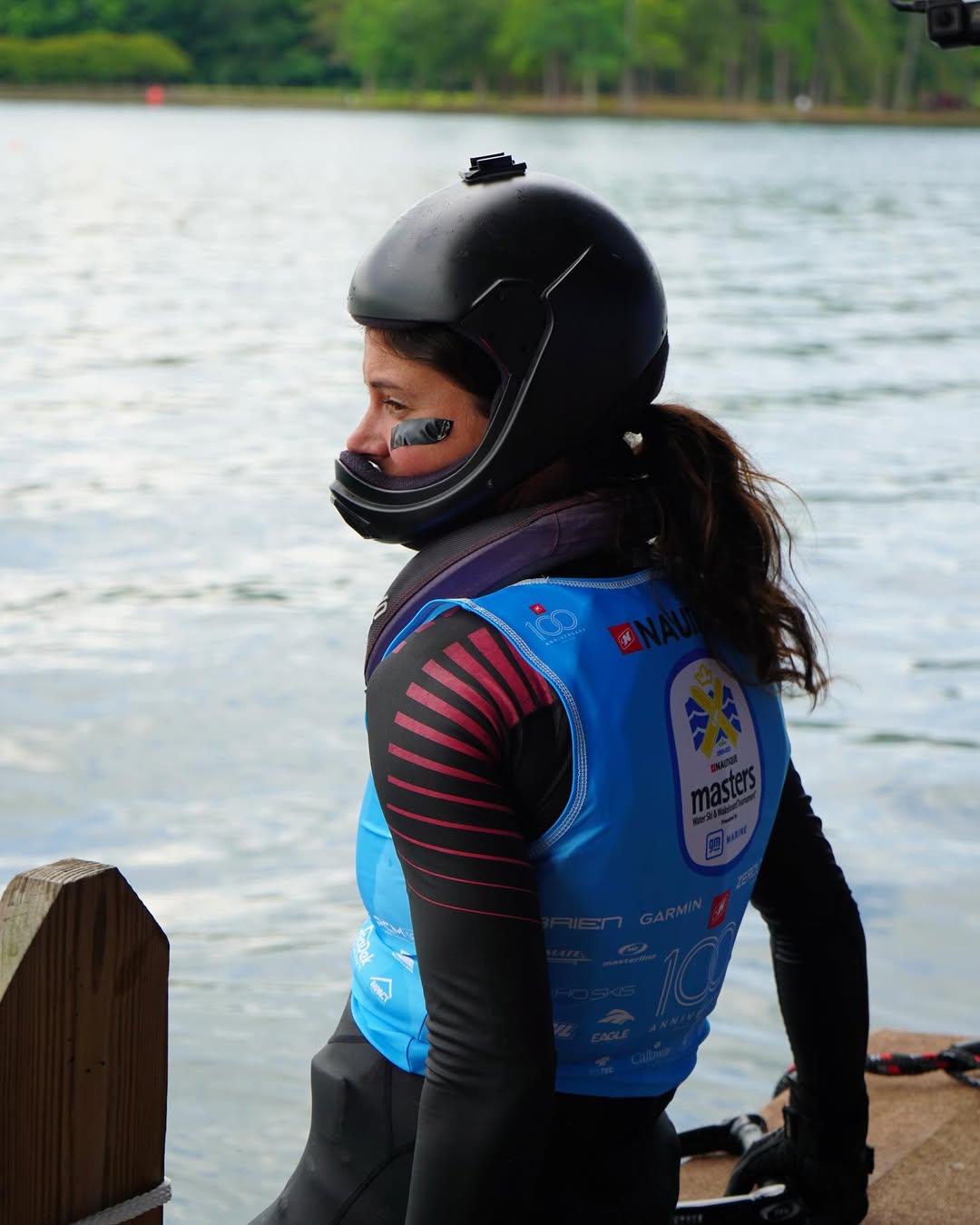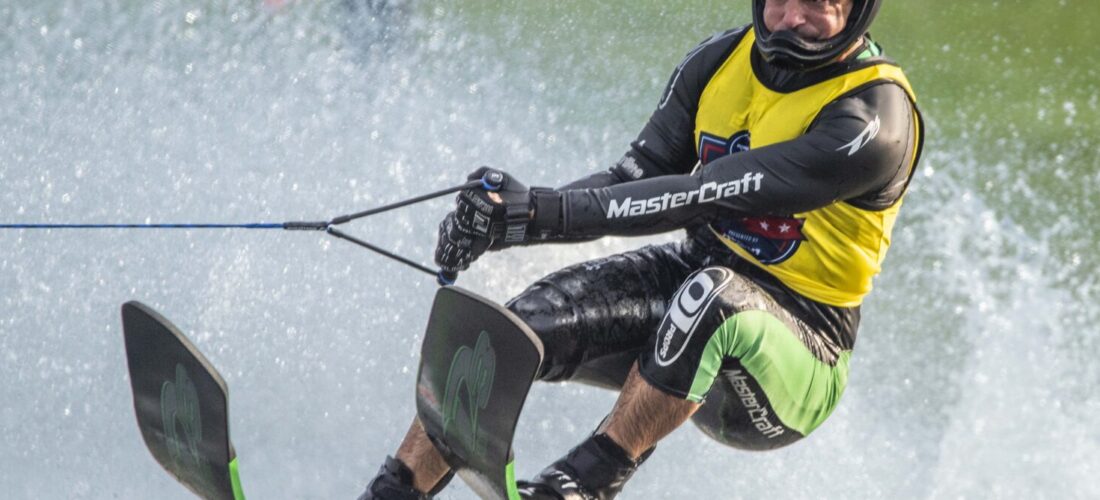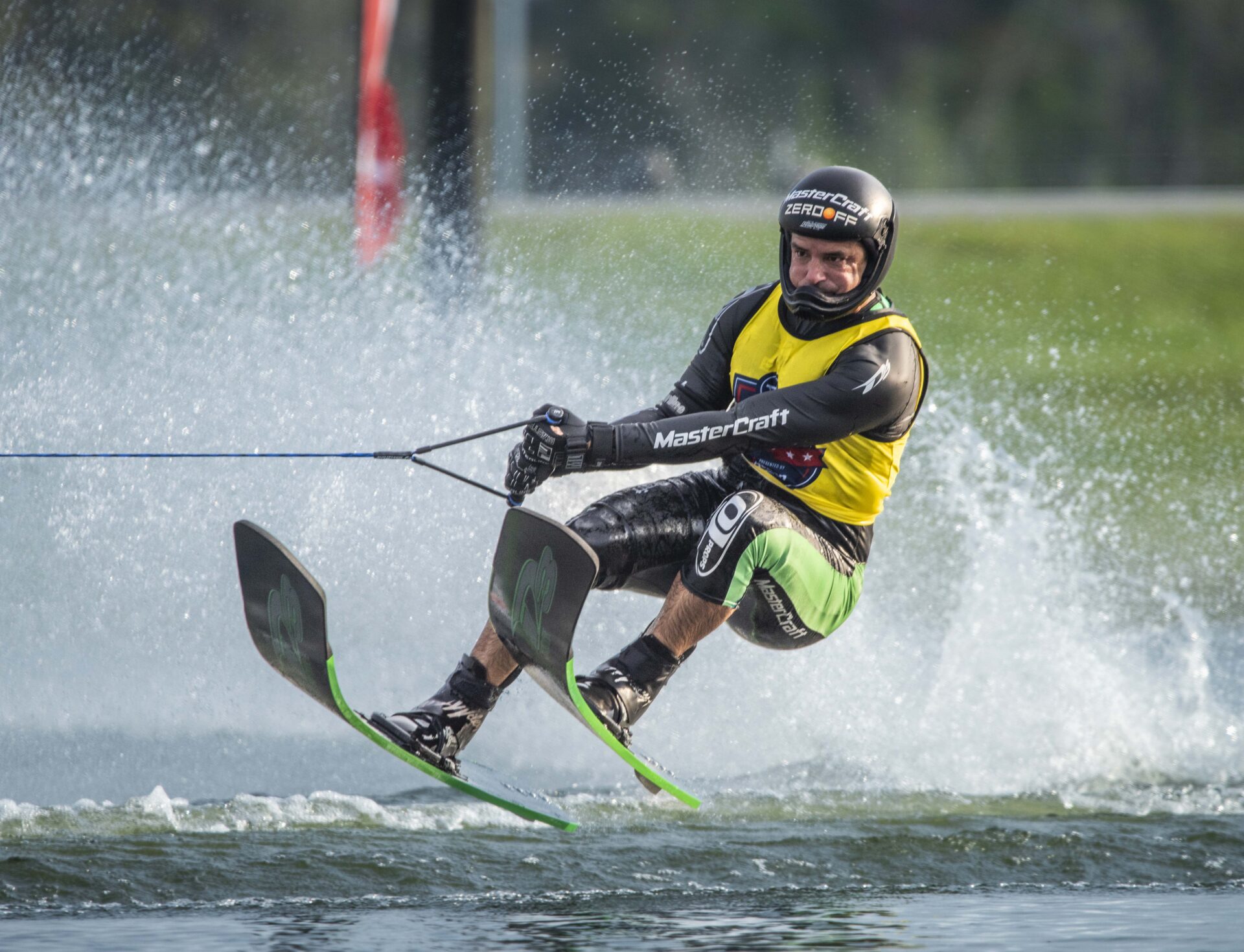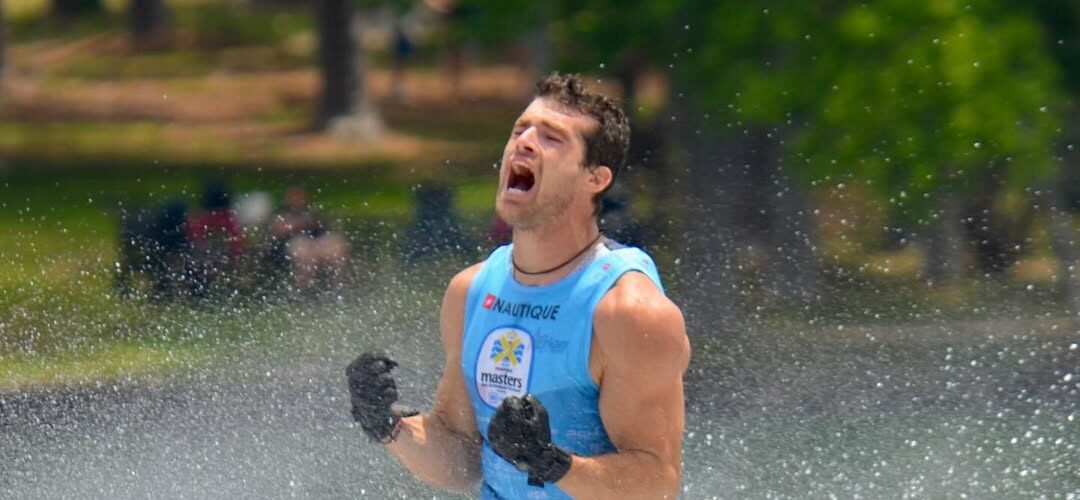
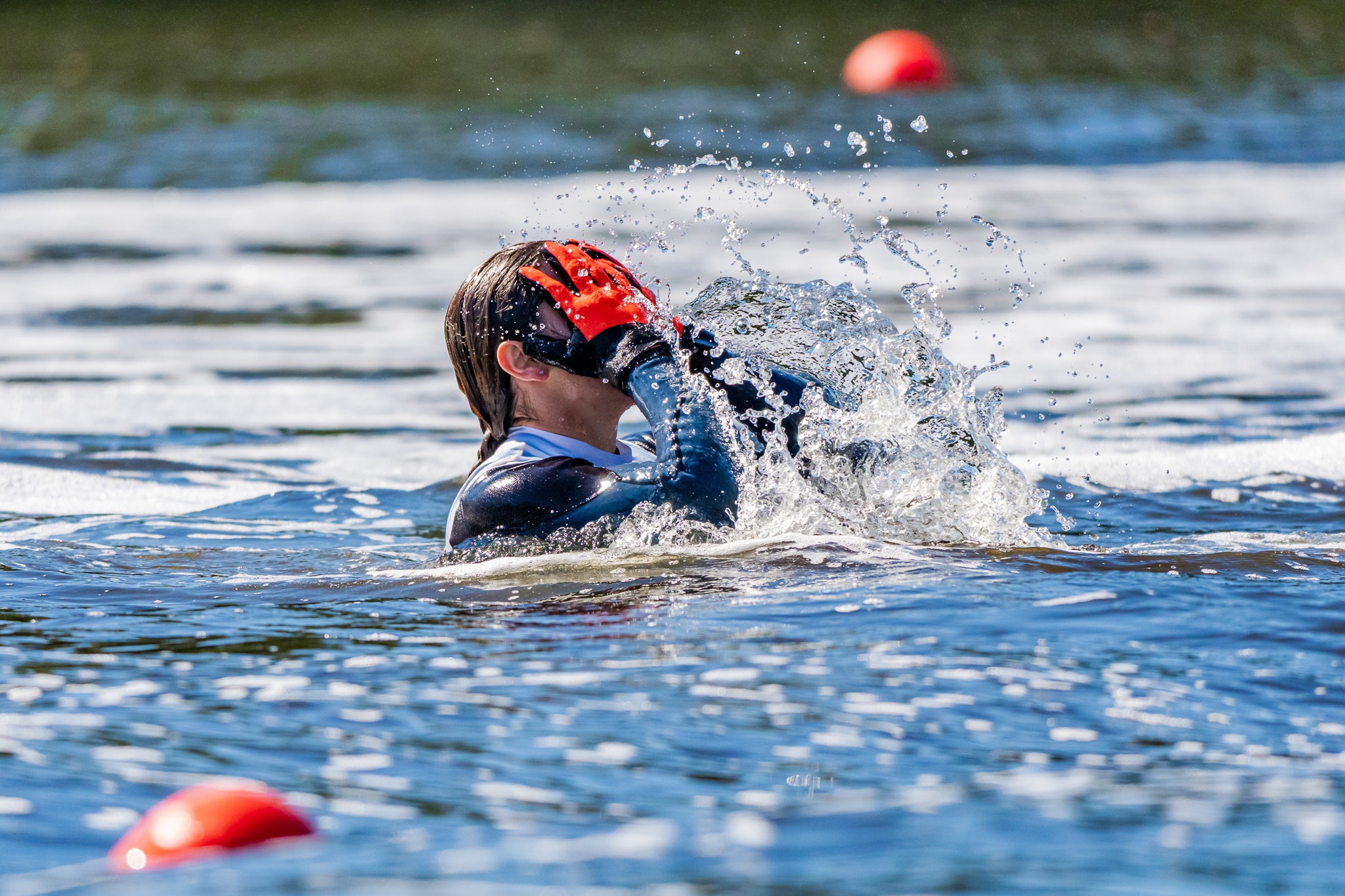
Alexia Abelson at the 2026 Moomba Masters

Moomba Delivers: Record Scores, Breakout Stars, and Riverbank Chaos
News

Moomba Delivers: Record Scores, Breakout Stars, and Riverbank Chaos

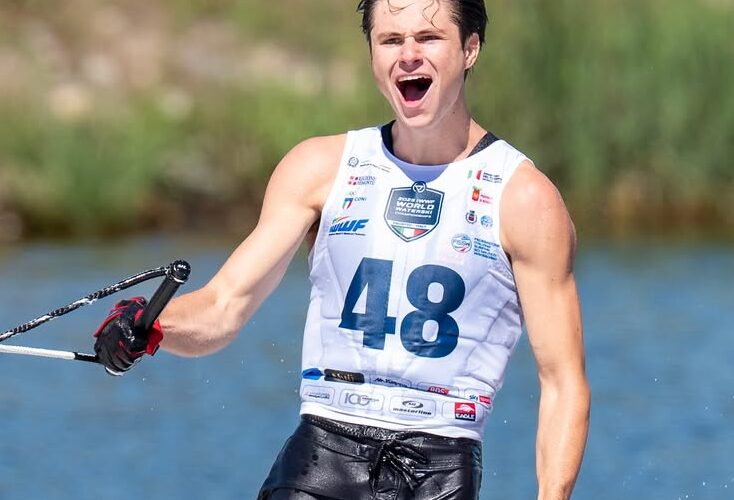
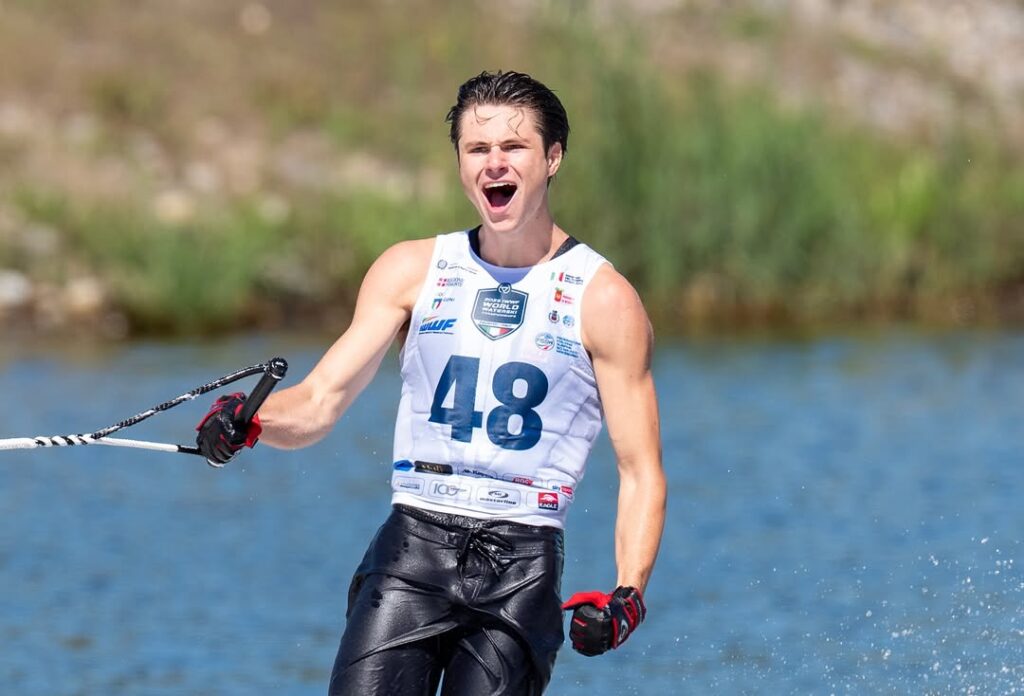
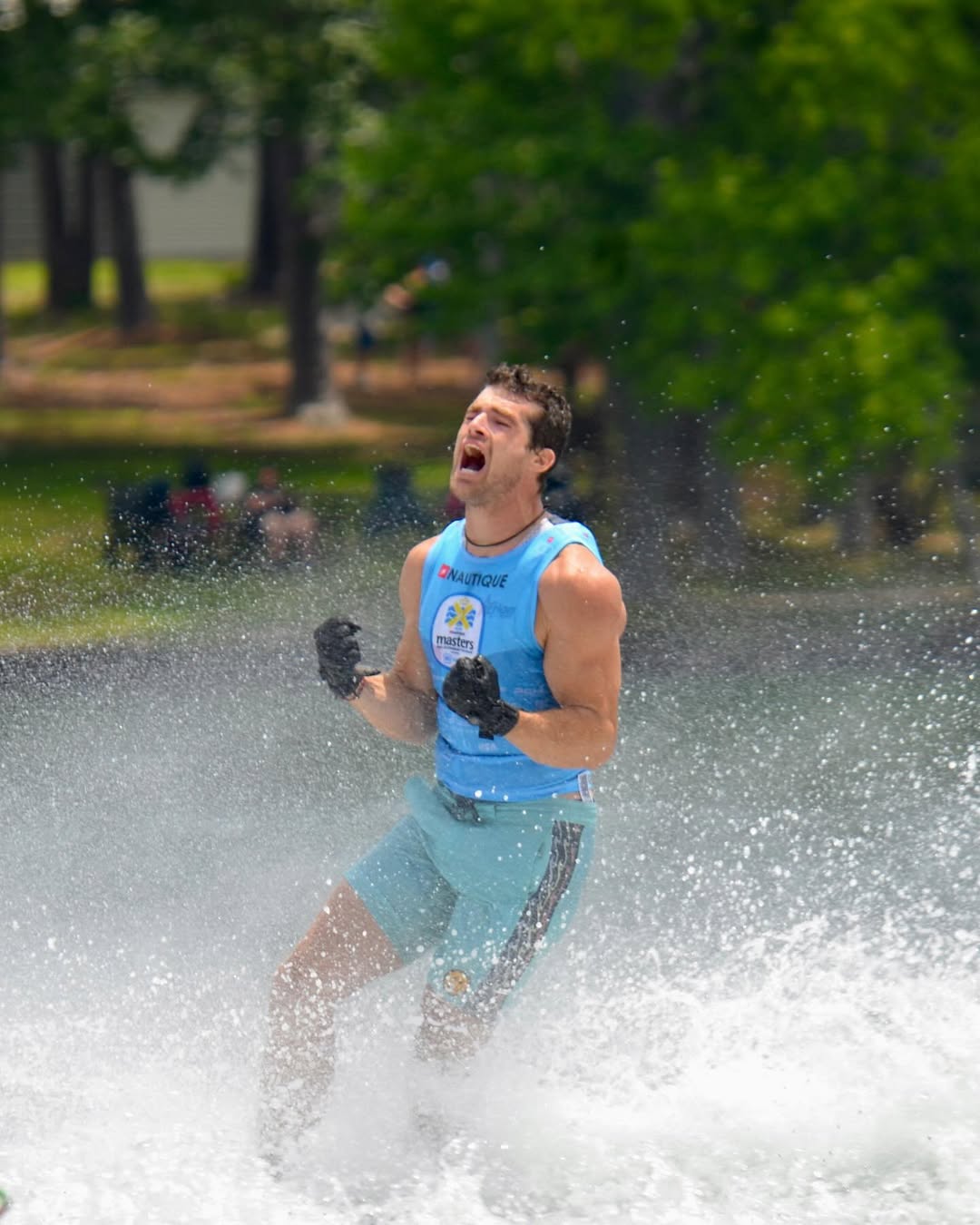
Alexia Abelson at the 2026 Moomba Masters

Image: Jackson Cross Photography

By Jack Burden


MELBOURNE, Australia — If the Yarra River has taught the sport anything over the past seven decades, it’s that reputation counts for very little once the rope tightens.

World champions have fallen here. Record holders have vanished into the current. Entire weekends can unravel in the space of a mistimed turn or a half-second of hesitation.

And yet, somehow, the 2026 Moomba Masters still managed to feel both chaotic and strangely inevitable at the same time.

Because despite the notorious conditions — the current, the chop, the setups, the thousands of spectators leaning over the banks — this was a year when, more often than not, the best skier still won. In four of the six disciplines, the champion was either the current or pending world record holder. Personal bests ruled the podiums.

The cream, as they say, rose.

But Moomba still made them work for it.

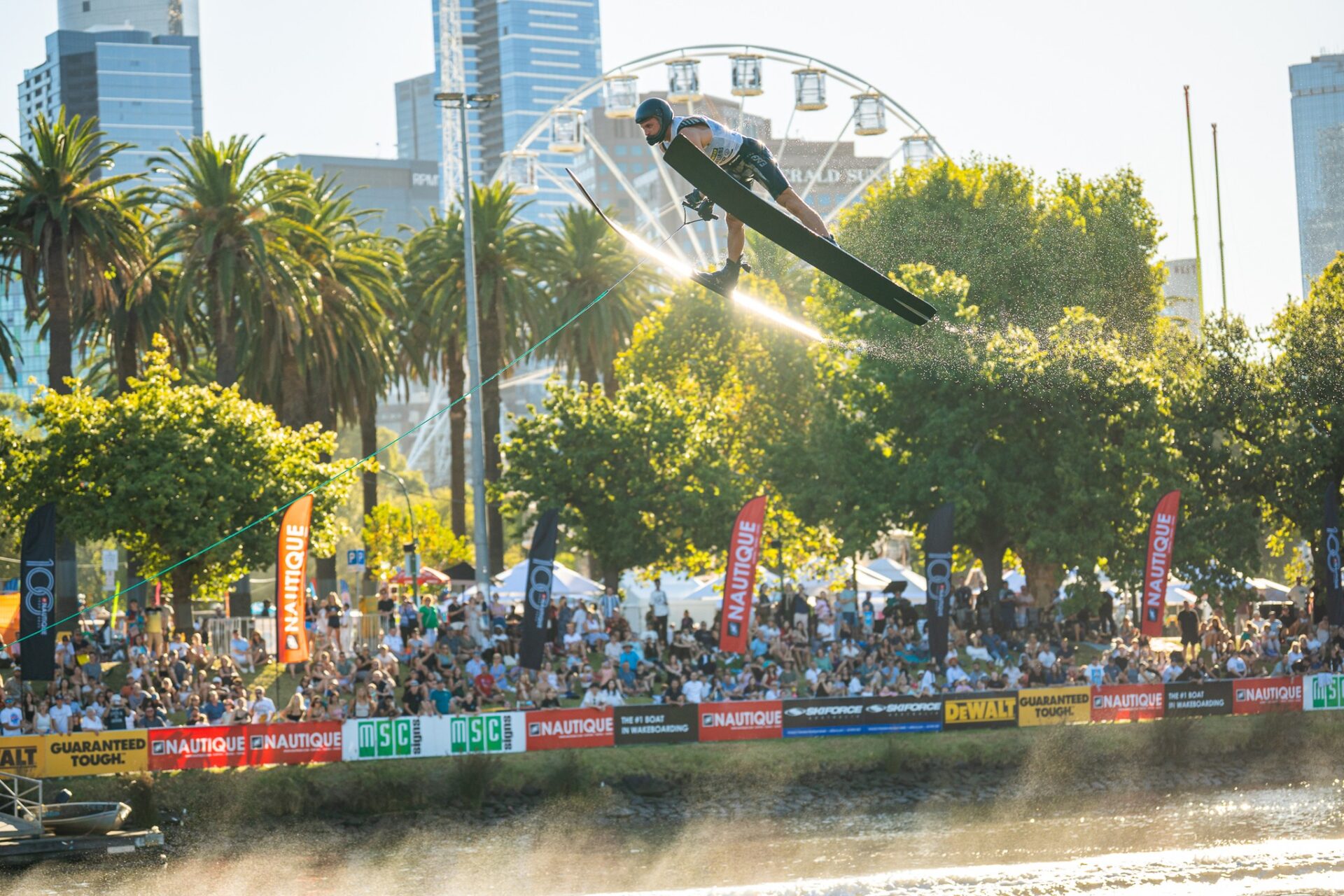
And it did so in front of one of the largest crowds the event has ever seen. Announcer Jarrod Faoro, who has called more than his share of Moomba finals, described Sunday evening’s audience as the biggest he had ever seen here — a sea of people packed along the banks.

Melbourne was already swelling. Formula 1 was running across town at Albert Park. Nearly 100,000 fans were headed for the AFL opener at the nearby MCG. The city was buzzing.

And tucked in the middle of it all, water skiing quietly produced one of its most compelling weekends in years.

If there was a single storyline threading through the entire weekend, it might have been the emergence of Jake Abelson.

For years, Joel Poland has occupied a unique place in the sport — a rare athlete capable of challenging the world’s best across all three events. The kind of skier whose overall scores force people to reconsider what’s possible.

Now there may be another.

Abelson arrived in Melbourne already holding the world record in tricks. That part was never in doubt. But over the course of the weekend, the 18-year-old American produced the kind of all-around performance that forces people to start whispering bigger questions.

He qualified for the finals in all three events on Moomba Monday. He launched the first 200-foot jump of his career earlier in the week. He won the Saturday night jump under lights.

And he looked increasingly comfortable doing all of it.

At the same age, Abelson’s overall scores already sit well ahead of where Poland once was. His tricking is elite. His jump is already world-class.

The missing piece — as it always is in overall skiing — remains slalom.

But if Abelson can close that gap, the sport may be watching the arrival of another genuine triple-threat.

Tricks: The Most Anticipated Finals

Moomba Monday traditionally begins with tricks, and in 2026 the event had been hyped all week as the must-watch discipline.

Both trick fields were absurdly deep. The men’s preliminaries had already produced six scores above 11,000. The women’s field featured the sport’s fiercest rivalry of the past year.

It did not disappoint.

Kennedy Hansen opened the final like someone determined to silence any doubts.

The American was arguably the breakout skier of 2025 — winner of the WWS Overall Tour, the newest member of the 10,000-point club, and runner-up at the World Championships. On the Yarra she delivered two composed passes to set the early benchmark above 9,000 points.

But the real battle was always expected to come from the sport’s hottest rivalry: Neilly Ross vs. Erika Lang.

Ross, the reigning world champion, began with a powerful toe pass that hinted at a huge score. But a momentary loss of rhythm cost her dearly on hands — nearly a thousand points slipping away between time and judging deductions.

That left the door open.

And Erika Lang has spent most of the last decade walking through doors like that.

The American produced two blistering passes to score 10,930 points, winning her fourth consecutive and eighth overall Moomba Masters trick title. The victory moves her to second on the all-time trick titles list, now just one win behind Moomba legend Karen Bowkett Neville.

Lang didn’t just win.

She cleared second place by 1,300 points.

If the women’s final delivered tension, the men’s event produced pure spectacle.

Jake Abelson set the early pace with a score just over 12,000 points, despite an equipment issue that cost him a final toe trick and a hand pass that ran a fraction too long.

Even with those lost points, the score looked strong.

Then Matias Gonzalez happened.

The 18-year-old Chilean had arrived in Melbourne a week removed from setting a pending world record. His early rounds had been relatively quiet — even finishing third in the Under-21 event.

But in the professional final, he delivered something extraordinary.

Two impossibly fast passes. No wasted motion. No theatrics.

Just speed.

Gonzalez’s skiing isn’t built on the boundary-pushing flips of Joel Poland, the inventive toe work of Martin Labra, or the technical complexity of Abelson and Patricio Font.

Instead, he performs classic sequences at speeds that once seemed impossible.

His run looked like someone had pressed fast-forward on the tape.

The result: 12,860 points, the highest score ever recorded in a professional tournament and a new Moomba course record.

The remaining contenders — Poland, Labra, and Font — all needed personal bests to catch him.

None could.

Gonzalez skied away with his first Moomba Masters title.

Slalom: Folk Heroes and Familiar Winners

If Jake’s performance felt like a breakthrough, his younger sister Alexia quietly produced one of the most remarkable stories of the finals.

Just days removed from winning Most Outstanding Junior Performance earlier in the week, the 15-year-old American lined up for the women’s slalom final — only the third professional slalom tournament of her career.

Few expected what came next.

Abelson built momentum through the 11.25m (38′ off) pass with growing confidence, turning buoy after buoy with the kind of rhythm that suggests a skier momentarily forgetting where they are.

For a moment, it looked like she might run 11m for the first time.

Instead, she fell around five ball — half a buoy shy of her personal best — leaving her somewhere between joy, disbelief, and frustration as she floated away smiling.

Then the chaos began.

Neilly Ross missed. Australia’s Sade Ferguson faltered. One by one, the field fell short.

Suddenly Abelson found herself climbing the leaderboard until only one skier remained: world record holder Regina Jaquess.

Jaquess did what Jaquess usually does. She navigated into 10.75m to secure her second Moomba slalom title.

But the real surprise was just behind her.

A 15-year-old with a grin that suggested she was still trying to process what had just happened.

Slalom on the Yarra has a habit of producing unlikely protagonists.

This year’s belonged to Corey Saddington.

Ranked 82nd in the world, the 23-year-old from Bendigo barely made the final, sneaking through the repechage on Sunday afternoon.

Then he opened the finals by running 11.25m and pushing into 10.75m (39.5′ off), finishing within a buoy of his personal best.

And then he waited.

Five consecutive skiers — all with far better rankings and deeper personal bests — failed to match him as the current ripped through the course.

For a moment, the unthinkable felt possible.

Freddie Winter eventually edged past by a single buoy. Thomas Degasperi matched the mark.

Then defending champion Charlie Ross arrived.

The 20-year-old Canadian skied like he was in different water entirely — smooth, controlled, unhurried.

Ross rounded four buoys at 10.75m to claim back-to-back Moomba titles.

Saddington, meanwhile, finished fourth — and became the weekend’s most unlikely folk hero.

Jump: New Champions, Familiar Power

The women’s jump event still feels slightly strange without Jacinta Carroll towering over the field.

For more than a decade the Australian legend owned the Yarra. Now the event is learning how to exist without her.

But if there was ever concern about the future, the Australian pipeline offered reassurance. Young jumpers like Sade Ferguson, Kristy Appleton, and Zarhli Reeves carried forward a lineage stretching from Sue Lipplegoes to Emma Sheers to Carroll herself.

The podium, however, belonged to the Americans.

Regina Jaquess set the early benchmark with 51.9m (170 ft) — longer than last year’s winning jump.

Then Aliaksandra Danisheuskaya answered.

Her 54.6m (179 ft) leap proved untouchable, as Brittany Greenwood Wharton fought valiantly through swans, current, and chop but failed to defend her crown. Danisheuskaya finally delivering the Moomba title that had eluded her through four previous runner-up finishes.

After years chasing Carroll, Danisheuskaya now had a major professional victory of her own.

The men’s jump final closed the tournament — and it felt like a fitting finale.

Joel Poland entered as the sport’s most dominant jumper of 2025 but struggled in qualifying. In the final he passed his first jump, then found himself awkwardly out of rhythm approaching the ramp.

What followed felt very on-brand.

Poland executed a series of quick hops during his glide — adjusting speed and timing mid-approach — before launching 68.1 meters (223 ft).

It was the sort of audacious improvisation that only Poland would attempt.

And somehow it worked.

Josh Wallent, a 28-year-old builder from South Australia, came closest with 64.1m (210 ft) — earning his first professional podium.

But the last word belonged to Ryan Dodd.

After a frustrating 2025 season chasing Poland, the Canadian looked imperious all weekend. His 69.9m qualifying jump had already put him well clear of the field.

In the final he needed six feet less.

Dodd delivered it comfortably, reclaiming the Moomba Masters jump title.

When the River Settled

There were disappointments, too.

Joel Poland’s solitary silver was a paltry haul for the triple threat. Kennedy Hansen narrowly missed the jump final on her first visit to the Yarra. World overall champion Dorien Llewelyn failed to capitalize on his opportunities in either the trick or jump finals. Edoardo Marenzi endured one of the toughest tournaments of his career—missing the slalom final, narrowly missing the jump cut, and finishing last in the lone final he made.

Even the best sometimes leave Melbourne with bruises.

Because that’s the thing about Moomba.

It never quite unfolds the way anyone expects.

But as the crowds finally drifted away from the riverbanks — past bridges, food stalls, and festival lights — one thing felt clear.

The sport’s established stars were still standing.

But a new generation had arrived.

And they were no longer waiting their turn.

DJI Air 3

SplashEye Fly Approved: Jump Measurement Takes to the Sky

News

SplashEye Fly approved: Jump measurement takes to the sky

DJI Air 3

The system is currently compatible with DJI Air 3 or Air 3S with RC-2 remote control.

By Jack Burden


For the first time in decades, tournament jump measurement is getting a genuine technological rethink. The World Waterski Council has officially approved SplashEye Fly—a single-drone system that could replace the maze of fixed cameras, cables, scaffolding, and setup hours traditionally required to measure jumps at elite events.

It’s the latest chapter in an evolution that has spanned generations. Jump measurement moved from meter stations on shore, to fixed-camera grid systems, to today—a drone hovering 210 feet above the landing zone. The tools have changed, but the mission hasn’t: find the truth in a plume of spray.

The Council’s approval, confirmed at its October 27 meeting, came after months of testing against existing systems. The results were excellent: SplashEye Fly consistently measured within 10 centimeters of the current gold-standard setups, held up over full-day tournament schedules, and delivered a cleaner overhead view that eased the challenge of judging splash-point contact.

The system’s simplicity is its sell. Instead of building a camera network across the lake, officials place two large printed ground-target banners on shore. The drone locks onto those fixed points and recalibrates after every jump, requiring no GPS, internet connection, or mid-jump piloting. Once airborne, it flies a set pattern, returns for battery swaps, and resumes with a few taps. The only real limitation is distance: the shoreline must sit within about 160 feet of the ramp so the drone can see both targets—a range SplashEye hopes future drone improvements will expand.

For founder Donal Connolly—who has spent more than 30 years building tournament software—the approval marks a turning point. “SplashEyeFly is a game-changer,” he said. “Most of the cost and time of installing a traditional jump measurement system comes from the camera infrastructure. Now you can arrive on a new site and be measuring jumps within minutes.”

Cheaper setup means more flexibility—and potentially more jump events. Remote sites, fresh ramp locations, and clubs without deep resources suddenly become viable hosts. As Connolly put it: “This will open up jump tournaments to new sites at an affordable price point.”

SplashEye is also expanding beyond jump. Recorder HD, Gates HD, and Trick Timer HD—new high-definition tools for slalom and tricks—extend the company’s modernized suite across all three disciplines.

With its inclusion in the 2026 Rulebook, SplashEye Fly becomes the sport’s newest approved jump-measurement system—and the first to take the job to the sky. For tournament skiing, the overhead era just arrived.

Charlie Ross slaloms at the 2025 World Championships

The Highest-Scoring Worlds in History? Recetto Delivers Water Skiing’s Next Level

News

The highest-scoring worlds in history? Recetto delivers water skiing’s next level

Charlie Ross slaloms at the 2025 World Championships

Image: @bearwitnesssportsphotos

By Jack Burden


RECETTO, Italy — For six days in northern Italy, water skiing seemed determined to burst out of its own history. The 2025 World Championships were not just a contest for medals but a collision of eras: champions fighting to defend their crowns, teenagers breaking through the gates, and performances that stretched the sport into new territory.

It didn’t start that way. The opening days were reshuffled by storms, rain smearing across the placid waters of Recetto. But by Friday the skies cleared, the wind fell flat, and the lake turned to stillness. What followed was a rush of personal bests — especially in jump, where skiers pushed themselves farther than anyone thought possible.

The Prelims: Cracks in the Armor

Joel Poland walked down the dock on Friday with the casual confidence of a man who had won everything there was to win. Tricks has always been his insurance policy in overall, the foundation of his dominance. And yet, in a mirror of his stumble at the last Worlds, he went down early.

“That was just heartbreaking,” Poland admitted later, frustration in his voice. “Like a dream… gone, again.”

The mistake rattled the field. Pato Font and Mati Gonzalez wobbled through their passes. The cut line fell to its lowest in nearly a decade — not from weakness, but nerves. Suddenly, the men’s trick final looked wide open.

On the women’s side, it was the opposite. Regina Jaquess and Jaimee Bull tore through 10.75m (39.5′ off) with machine precision, while 22-year-old Kennedy Hansen quietly put together personal bests in both slalom and jump. By the end of Friday, she was in the mix for overall medals — and a genuine threat to Hanna Straltsova’s iron hold on the crown.

Saturday Fireworks

By Saturday the tournament had caught fire.

Men’s slalom provided the starkest reminder of how far the sport has evolved. For the first time in history, a piece of three at 10.25m wasn’t enough to guarantee a finals spot. Twelve skiers, all within a buoy of one another, crammed the leaderboard. Even Poland, hoping to rebound, was squeezed out with 2.25 at the pass.

Tricks went ballistic: seven women cracked 9,000, with Erika Lang and Neilly Ross punching past 11,000 for the first time ever at Worlds. “It’s hard in prelims — you just want to secure your spot,” Ross said afterward. “Hopefully tomorrow I can just go and go fully.”

And then came men’s jump. Dorien Llewellyn, after three years battling injury and inconsistency, soared 69.6m (228 feet) — his longest since 2021. The leap pushed him into the overall lead, just 13 points clear of Louis Duplan-Fribourg, setting up the tightest overall showdown in recent memory.

Ryan Dodd and Poland tied for the lead at 70.5m (231′), a strange echo of their summer duel at the California ProAm. Everywhere you looked, it felt as if the old guard and the new blood were destined to collide.

Finals Sunday: A Collision of Eras

By Sunday the tournament had shed its nerves. The storms were gone, the prelim jitters gone. The water in Recetto lay flat, as if it knew history was waiting.

Tricks: Margins Measured in Frames

Tricks is the cruelest event because immortality and anonymity can hinge on a single freeze-frame. For decades, only the judges saw those margins. This time, thanks to EyeTrick, everyone did. Fans could watch a world title swing on whether a toe slide was rotated 90 degrees or 85.

The women’s final was billed as a heavyweight clash: Lang’s innovation, Ross’s precision, Anna Gay Hunter’s pedigree. But the first half of the field faltered, pressing too hard on risky runs. Hunter steadied things with 10,730, matching her prelims to lock in a medal. Lang went next, laying down a world record run, but missed the rope on her ski-line back-to-back. Three hundred points vanished in an instant.

That left Ross. At 24, she has often played second fiddle to the older Lang or Hunter. But in the past year has found another gear. Two immaculate passes later, the scoreboard confirmed what her posture already said: World Champion.

“I haven’t won a Worlds since 2017,” Ross said, shaking her head. “Every single one since then I’ve just kinda blown it. We made this the goal — do my run. Today I just went for it. I really wanted this one.”

The men’s event spiraled into chaos. Defending champion Font posted 12,010. Then Gonzalez — all velocity and audacity — strung together a blistering 5,500-point toe run, backing it with a clean hand pass for 12,410. It forced the rest into desperation.

Llewellyn, trying to put the overall race out of reach, sank in disbelief after a miscued landing. Abelson, the wunderkind and world record holder, seemed composed — until the scoring system caught him. A rushed toe slide, four judges ruling it under-rotated, pushed his buzzer beating toe-line-front out of time. His final total: 12,400. Ten points short.

Ten points. The smallest possible increment in trick skiing. The kind of number that sticks forever.

When Duplan-Fribourg couldn’t repeat his prelim magic, Gonzalez was champion — speechless on the dock. “It feels amazing,” he stammered. “It was my dream… now I can say I did it. Congrats to Jake too — he’s one of the best in the world. We have the best here.”

Slalom: The Old Guard Meets the Future

Women’s slalom opened with an unlikely spark. Sade Ferguson, once a junior jump prodigy until injuries derailed her career, returned as if she’d never missed a season. Her 5 @ 10.75m was a huge personal best and an early lead.

Allie Nicholson scraped half a buoy past it. Jaimee Bull, calm as a metronome, became the first to run 10.75, but faltered at 10.25 with a botched S-turn for just one and a half. Regina Jaquess, chasing history, fought through 10.75 off but couldn’t get her ski outside of two at 10.25. The shoreline knew instantly what it meant: Bull, 25 years old, three straight World titles.

“I can’t really believe three in a row,” Bull said. “Two felt crazy. Today I didn’t think that was enough — but it was.”

The men’s final felt like two different sports at once: veterans clinging to relevance and a new generation kicking the door down. Freddie Winter bowed out early. Will Asher, seemingly reborn, posted five at 10.25 and celebrated like a man half his age. Then Nate Smith made 10.25 look like a warm-up, forcing the others to gamble.

One by one they failed — until Charlie Ross, 20 and fresh off his first pro wins, matched Smith. He ran 10.25 smoother than anyone, tying at 9.75 to force the runoff. Smith, the most reliable closer the sport has ever known, prevailed. But Ross walked away with proof he belonged in the deepest end of the pool.

“I’ve never even tried 41 off the dock in practice,” Smith admitted afterward. “At two, a lot goes through your head — should I stand up, should I turn it? But today, yeah… I’m pretty happy. That’s cool.”

Jump: Shaved Heads and Broken Dynasties

Jump was the crescendo, the shoreline swelling with every flight. The women’s final opened with personal bests — Maise Jacobsen, Aaliyah Yoong Hannifah both cracking 50 meters — before Brittany Greenwood Wharton, back from injury, hit 54.4m (178 feet), her longest in years. Straltsova needed only two jumps to secure the crown and her golden double. “I’m so happy,” she said simply. “It’s hard to defend.”

The men’s jump final had more plotlines than an HBO drama. Tim Wild, just 18, came off the lower ramp and went 68.1m — ten days earlier he’d never cracked 60. Bronze overall, his name now etched into the sport’s future. Duplan-Fribourg faltered in his overall defense, leaving Llewellyn to claim the title he’d chased for years.

But the jump crown itself belonged to Poland. His opening leap — 72.1m, the biggest of his life and a new European record — stopped the shoreline in its tracks. He passed his next two, gambling it would hold. It did.

Ryan Dodd, five-time champion, threw everything he had, cracked 70, but fell short. With that, three decades of North American dominance — Krueger, Jaret, Dodd — ended. Poland’s elation as he hit the water carried something more than victory. It carried release.

“Yeah, that was unreal,” he said, still buzzing. “This shaved head… I might have to keep it. It seems to be working. Over the moon.”

A New Benchmark for the World Championships

In the end, the numbers told the story. Recetto didn’t just host a World Championships — it redefined what one looks like. The cut to make the finals in men’s slalom, men’s jump, and women’s tricks was the highest in history, a staggering testament to the depth of talent on display. Tournament records fell or were matched in women’s tricks, men’s slalom, and women’s slalom, while the podiums in both men’s and women’s slalom and tricks went down as the four highest-scoring in the sport’s history.

The pattern extended across every discipline. The men’s jump final produced the second-highest podium ever, as did the men’s overall — each pushed to the brink by athletes refusing to give an inch. And beyond the headlines and record books came the quieter triumphs: the countless personal bests, the season-best performances, the moments where skiers left the dock knowing they had just redefined their own ceiling.

That’s what made Recetto different. This wasn’t simply another Worlds where one or two stars lifted the level. It was a collective surge, a field-wide elevation that left even veterans shaking their heads. When the dust settles, 2025 may well be remembered as the World Championships where water skiing itself moved to the next level.

Brandon Schipper jumps at the 2025 World Waterski Championships

Jump Fest in Recetto: Worlds Opens With Wave of Personal Bests

News

Jump fest in Recetto: World Championships opens with wave of personal bests

Brandon Schipper jumps at the 2025 World Waterski Championships

Brandon Schipper jumps at the 2025 World Championships (image: TWBC)

By Jack Burden


RECETTO, Italy — If the early rounds are any indication, the 2025 World Championships are on course to turn into a full-blown jump fest.

The headline act of the opening days belonged to Brandon Schipper, who delivered the performance of his life under unlikely circumstances. Landing in Italy at 9:30 a.m. Wednesday, the hulking Minnesotan skipped familiarization, strapped on his skis, and unleashed the three biggest jumps of his career. His best — 67.1 meters (220 feet) — was an eight-foot personal best that should all but secure him a spot in Sunday’s finals.

“I knew I had it in me,” Schipper said afterward, still buzzing from adrenaline. “But man, it’s so hard to stay calm at Worlds when you PB on your first jump.”

The 29-year-old, a CrossFit competitor off the water, has built a reputation for peaking when the lights are brightest. At the 2023 Worlds, he also reached the finals with a personal best. But this was another level.

Announcer Glen Williams could hardly believe what he was watching:

“Brandon Schipper just keeps spanking off big jump after big jump — the big man, it’s a herculean effort. Off a 10-hour flight, no famil, straight out there and over 66 meters on his first go. That 220-foot jump, that’s phenomenal. Absolutely phenomenal.”

Schipper wasn’t the only one flying. Of the 40 jumpers from series three and above, more than 60% posted season-bests — most of them all-time personal bests. Over 80% finished within a meter or better of their season’s best.

Strong performances at Worlds aren’t unusual; skiers spend years tailoring their training cycles to peak on this stage. But this sheer volume of PBs points to something more: near-perfect conditions and a towboat setup dialed in for distance.

“I’ve heard from a bunch of the guys — they say that Ski Nautique feels so dialed, super strong,” said announcer Zane Nicholson. “And with this lake being as perfect as it is, everything’s just set up for huge scores.”

Another breakout story belonged to Tim Wild, who cleared 60 meters for the first time just last weekend at the U21 Europeans. In Recetto, he smashed that mark again — flying 65.2 meters.

Jo Nakamura added a new Japanese national record, while Jake Abelson logged a two-meter PB to cement his rising status in men’s overall.

The slight tailwind that lingered through much of the day offered no artificial advantage, making the distances all the more impressive. And for Schipper — all drawn-out vowels, clipped consonants, and that unmistakable Upper Midwest hockey-bro cadence — the post-jump euphoria was impossible to miss.

“Ooooooh, oh my gosh, braaaah, let’s goooo! Holy buckets, dude,” he gushed after watching the replay of his longest jump.

With the sport’s biggest names still waiting in the wings, Wednesday felt less like a warmup than a warning shot.

This isn’t a routine Worlds performance lift. This feels like a signal for takeoff.

If the early rounds are a preview, Recetto may be about to host one of the greatest displays of jumping in World Championships history.

The World Championships run from August 26-31 and will be broadcast live on TWBC.

Lauren Morgan finishing with the silver medal 🥈 with 166 feet in the finals of the 2025 U.S. Masters

Lauren Morgan Announces Retirement from Professional Water Skiing

News

Lauren Morgan announces retirement from professional water skiing

Lauren Morgan finishing with the silver medal 🥈 with 166 feet in the finals of the 2025 U.S. Masters

Image: @bretellisphotography

By Jack Burden


A week before the World Championships, one of the sport’s pre-event favorites has decided to step away. Lauren Morgan — better known on the pro circuit as Poochie — announced today that she is retiring from professional water skiing.

For more than a decade, Morgan has been one of the world’s top women’s jumpers, a fixture on the podium, and a competitor known for her fearless approach to the ramp. But at 32, with a PhD in Criminology & Criminal Justice and a career outside skiing gaining momentum, Morgan says it’s time.

“Seventeen years ago, I set out on the journey of professional waterskiing, and wow, am I glad I did,” Morgan wrote in her announcement. “This sport has taken me to nearly 30 countries, introduced me to lifelong friends, and given me the chance to do something [few] women have ever done: jump 180 feet… But this year, those plans changed… I realized I could no longer give my all heading into Worlds. With my career outside of skiing growing and challenging me in new ways, I knew it was time to step back.”

Morgan’s career coincided almost squarely with Jacinta Carroll, widely regarded as the greatest female jumper of all time. Carroll’s dominance — an unprecedented 12-year winning streak — might have kept Morgan from more titles, but it never diminished her standing as one of the sport’s bravest and most respected competitors.

Few jumpers, man or woman, attacked the ramp with Morgan’s aggression and fearlessness. One of only 13 women ever to fly beyond 55 meters (180 feet), she brought an edge and daring that made her a fan favorite.

Her breakout came in 2012, when the 19-year-old claimed four professional podiums and finished the season ranked third in the elite standings. A year later, she won her maiden pro event, just as Carroll began her streak.

If the early years of her career were about potential, the later stages became a story of resilience. Morgan fought through multiple knee surgeries, including a devastating ACL tear in 2022, only to return 12 months later and win a bronze medal at the 2023 World Championships.

It was not the first time she proved her toughness on the world stage. She first broke through with dual junior world titles in slalom and jump at the 2010 U17 World Championships, then added two Under-21 jump medals before finally standing on consecutive Open Worlds podiums in 2021 and 2023. In 2022, she reached the pinnacle with a Masters title and World Games gold.

Morgan closes her career with three professional victories, 20 professional podiums, two World Championships medals, and the distinction of being one of the few women ever to jump 180 feet. Yet, as she wrote in her farewell, the results aren’t the part she’ll carry with her.

“It taught me discipline and perseverance. How to focus under pressure. How to love the process, not just the outcome. How to keep going even when it would’ve been easier to stop.”

Though her “5.5-foot career” is over, Morgan hasn’t left the sport behind. She plans to remain around the lake, helping at events and, as she joked, maybe even making a return in senior competition: “Let’s just say… Senior Worlds 2028, I’ve got my eye on you.”

With that, one of the sport’s fiercest competitors turns the page. Poochie may be retiring, but her legacy of bravery, perseverance, and resilience on the jump course is firmly set.

Freddy Krueger waterski jumps at the MasterCraft Pro

Freddy Krueger to be Inducted into Hall of Fame | USA-WSWS Foundation

Repost

Freddy Krueger Named 2026 Inductee To USA Water Ski & Wake Sports Foundation Hall of Fame

Freddy Krueger waterski jumps at the MasterCraft Pro

Legendary jump skier to be honored for exceptional achievements

The USA Water Ski & Wake Sports Foundation is proud to announce that Freddy Krueger (Winter Garden, Fla.) has been selected by the Hall of Fame Selection Committee as the 2026 Hall of Fame inductee. This prestigious honor recognizes Krueger’s extraordinary career and his transformative impact on the sport of water ski jumping.

Krueger’s name is synonymous with dominance, consistency, and innovation in men’s water ski jumping. Over the past 30 years, Krueger has built an unmatched record of victories, continually raising the bar for excellence and inspiring generations of athletes.

Originally from Decatur, Ill., Krueger is an eight-time world-record holder, five-time world champion, and 14-time Masters champion. He currently holds the world ski flying record at 312 feet. He also has won nine Moomba Masters titles and more than a dozen U.S. national championships. Still actively competing, Krueger was eligible for induction after turning 50 on May 3.

Krueger’s commitment, fierce competitive spirit, and ability to perform at the highest level of the sport year-after-year has inspired fellow athletes and fans alike. His remarkable list of titles – spanning the most prestigious events in the sport – reflects a career defined by perseverance, innovation, and a relentless pursuit of greatness.

The USA Water Ski & Wake Sports Foundation Hall of Fame honors individuals who have made significant and lasting contributions to water skiing and wake sports in the United States. Freddy Krueger’s induction in 2026 will celebrate not just his victories, but also his enduring influence on the sport and its community.

Freddie Winter 🏆MASTERS SLALOM CHAMPION 🏆

Banned, Broken, But Never Beaten: Winter Headlines Blockbuster Masters

News

Banned, broken, but never beaten: Winter headlines blockbuster Masters

Freddie Winter 🏆MASTERS SLALOM CHAMPION 🏆

Freddie Winter celebrates his victory in men’s slalom (image: @bretellisphotography)

By Jack Burden


PINE MOUNTAIN, Ga. — The 65th Masters Water Ski & Wakeboard Tournament wrapped up Sunday beneath the tree-lined shores of Robin Lake, with records, redemption arcs, and rare feats all leaving their mark on one of the sport’s most storied stages.

History doesn’t just hang in the air at Callaway Gardens—it breathes down your neck. From the stirring boat parade to the veteran-honoring ceremonies, the Masters isn’t just a tournament; it’s a stage where legacies are made, and occasionally, broken. And this year, they cracked wide open.

Let’s start with the history on Friday. Germany’s Tim Wild delivered a performance for the ages, sweeping all four Junior Masters titles: slalom, tricks, jump, and overall. In doing so, he became the first male ever to achieve the sweep and only the third skier in Junior Masters history to pull it off—joining legends Regina Jaquess and Brandi Hunt. Wild’s path to perfection included victories over multiple reigning junior world champions and a tricks field featuring the 12,000-point club’s newest member.

By the end of Saturday’s brutal semifinals—where 45 skiers battled for just 12 final spots per gender—much of the sport’s royalty had been dethroned. Patricio Font. William Asher. Whitney McClintock Rini. Jaimee Bull. Gone. In their place: hungry challengers, career comebacks, and a few bold debutantes.

Sunday’s finals opened with one of the most anticipated showdowns, with the intensifying battle between Erika Lang and Neilly Ross for the world record expected to play out real time on the waters of Robin Lake.

Lang continued her stranglehold on the division, scoring 10,530 points to win her sixth Masters title. Her record in professional events since the start of 2023 now extends to 10 wins in 12 tournaments—including all three this year: Moomba Masters, Swiss Pro Tricks, and now the U.S. Masters.

Yet in many ways, it was Germany’s Giannina Bonnemann Mechler who stole the spotlight. Making a triumphant return to the podium less than a year after giving birth, she edged out defending champion Anna Gay Hunter and world record holder Ross with back-to-back 10,000+ scores.

In the men’s tricks final, Jake Abelson proved that last year’s world record was just the beginning. He threw down 12,190 points to win his second major title of 2025—a leap of faith rewarded after skipping Junior Masters eligibility to compete in the Open division.

“A dream come true,” shared the 17-year-old after his victory.

Joel Poland’s third-place finish may have come as a shock. After two stand-up passes and an exuberant celebration from the Brit—the top seed and last skier off the dock—the announcers couldn’t call it between Poland and Abelson, speculating, “I think it’s going to be extremely close, only a couple hundred points that separate them.”

But the final score told a different story: more than 1,500 points separated the two. Judges scrubbed multiple tricks from both of Poland’s runs—but even if all had been credited, his score still wouldn’t have caught Abelson’s winning mark. Nevertheless, the apparent controversy may have lit a fire under Poland for what came later.

If tricks was about cementing legacies, slalom was about redemption.

For the women, 41-year-old Vennesa Vieke, who seems to get better with each passing year, set the pace early with a gritty 1.5 @ 10.75m (39.5′ off). Her mark held through challenges from defending champion Jaquess and Ross. Then came Allie Nicholson, navigating the minefield to a clean 2 @ 10.75m—and her first Masters title.

Arguably the hardest-working skier in professional slalom today, Nicholson has competed in more pro events over the past two years than anyone—male or female. Often stuck behind the dominant trio of Bull, Jaquess, and McClintock Rini, she looked composed as the final skier off the dock—doing exactly what was needed to take the win and perhaps signaling a long-awaited sea change.

The men’s final? Pure Hollywood.

He was banned. He was broken. But now, he’s back.

Less than a year ago, Freddie Winter suffered a potentially career-ending injury—a shattered femur from a crash. Adding to the drama: he had been banned from the 2023 Masters for alleged unsportsmanlike conduct in 2022.

Now, back on Robin Lake, the fiery Brit skied like a man on a mission. Chasing a lead score of 2 @ 10.25m set by world record holder Nate Smith, Winter—last off the dock—threw himself outside of three ball for the win. His third Masters title. His sweetest yet.

“Probably the most emotional moment of my life,” Winter said. “So much self-doubt and fear I wouldn’t get back here over the last 10 months and 29 days.”

“I’ve won here before, but those meant nothing compared to this.”

In women’s jump, a Hanna Straltsova victory often feels inevitable in the post-Jacinta Carroll landscape. But this one felt anything but secure.

Americans Lauren Morgan and Brittany Greenwood Wharton came out swinging in prelims with 174- and 175-foot jumps, respectively—easily outdistancing Straltsova’s 169.

Then, skiing early in the finals, Straltsova posted 53.6 meters (176′). The door was open, but neither Morgan nor Wharton could capitalize.

“You are never prepared enough for the Masters,” shared a reflective Straltsova. “It shows you your weak points and teaches you lessons every time you come.”

Then came the grand finale.

Remember: Poland barely made the final, edging Louis Duplan-Fribourg by a single foot. First off the dock, he put any questions about his jump form to rest—launching a monster 70.1-meter (230′) leap to lay down a massive target.

The remaining finalists—Luca Rauchenwald, Igor Morozov, and Ryan Dodd—all charged hard at the lead. Poland watched nervously from the pavilion.

“Anticipation was 11/10,” he said. “Felt sick waiting for the results.”

Dodd, the world record holder and reigning world champion, came closest. But when the Canadian passed on his final attempt, Poland had his win—and a statement. It’s now been over a year since Dodd claimed a professional title, and the pressure is mounting ahead of his bid for an unprecedented sixth straight world championship.

By sunset, the story was clear. This wasn’t just another Masters. This was a turning point.

From milestone performances to long-awaited redemption, the 65th Masters was a showcase of resilience, risk, and razor-thin margins. And with the debut of the 2026 Ski Nautique onsite—complete with on-air walkthroughs—the event also hinted at what’s next.

For now, the numbers are in, the titles awarded, and the world’s best return to the road—leaving behind another unforgettable chapter on Robin Lake.

And the summer? It’s just getting started.

Rocketman: The Flight of Scot Ellis

Watch: Rocketman: The Flight of Scot Ellis | Connelly Skis

Video


Rocketman: The Flight of Scot Ellis

Connelly Skis


In the history of water skiing, there are legends — and then there’s Scot “Rocketman” Ellis.

For over three decades, Scot Ellis has soared beyond expectations, redefining the art of water ski jumping and leaving a lasting imprint on the sport’s DNA. Known for his fearless launch, laser focus, and deep technical knowledge, Ellis didn’t just push boundaries — he exploded past them, one leap at a time.

From his early days on the dock to setting records and inspiring generations, Scot became synonymous with flight. Over three decades at the elite level, Ellis was a 10-time World Cup champion, 10-time Pro Tour champion, 3-time Moomba Masters champion, 3-time Australian Open champion, and 2-time Moomba Masters Night Jump champion. He also won professional jump titles at the U.S. Masters, U.S. Open, and Italian Open. Throughout his career, he set 14 U.S. national jumping records.He’s a skier who, even into his 50s, continued to jump farther than most ever will. His nickname, Rocketman, wasn’t just branding — it was a reflection of his signature style: fast, aggressive, and (almost) always in control.

But beyond the spray and spectacle, Scot’s story is grounded in something more powerful — longevity, humility, and a relentless dedication to the craft. He’s mentored countless athletes, helped drive innovation in ski design, and maintained a presence on the Pro Tour longer than almost any other athlete in modern history. He wasn’t just part of the sport — he was the engine of it.

And now, in 2025, that story takes on new depth.

This year marks two major milestones:

  • Scot Ellis’ induction into the Water Ski Hall of Fame (May 3rd)
  • The 60th Anniversary of Connelly Skis, the iconic brand that’s been alongside him through much of his career

To honor both, we’re proud to announce the release of “Rocketman” — a special short film dropping May 6th, created to capture Scot’s journey, his influence, and his legacy. It’s a story about water ski Jumping — but also about grit, longevity, and what it takes to stay airborne when the rest of the world expects you to land.

On May 6th, we celebrate a man who hasn’t figured out how to stop jumping — and a brand that never stopped pushing forward.

2025 Moomba Masters

Moomba Magic: New Champions Rise on the Yarra

News

Moomba magic: New champions rise on the Yarra

2025 Moomba Masters

Image: Moomba Masters

By Jack Burden


MELBOURNE, Australia – The 64th Nautique Moomba Masters International Invitational, the longest running event in professional water skiing, delivered another electrifying spectacle on the Yarra River. With its storied history and the festival’s raucous backdrop, no event in the sport draws a bigger live audience. And with it came the unpredictability, the high drama, and a new crop of champions.

The Yarra Claims Its Victims

The Moomba Masters is as much a battle against the conditions as it is against the competition. The infamous Yarra River played its role once again, dashing the hopes of even the most seasoned skiers. The cutthroat LCQ format and brutal preliminary rounds saw big names like reigning under-21 world champion Annemarie Wroblewski and experienced duo Elizabeth and Steven Island miss out on the slalom finals. Trick skiing had its own share of heartbreak, as reigning world overall champion Louis Duplan-Fribourg, along with several other top contenders, failed to navigate their way into the finals after a string of early falls.

Trick Finals: The New Gold Standard

Finals Monday kicked off with a fireworks display in the tricks event, where the women’s showdown was another chapter in the decade-long dominance of Erika Lang, Anna Gay Hunter, and Neilly Ross. Lang, already the Moomba course record holder, set the pace by rewriting her own mark with 10,830 points in the prelims. The final was razor-close, but Lang edged out Hunter and Ross for her third consecutive Moomba Masters crown.

The men’s event was an all-out war, where 12,000-plus was the magic number. Joel Poland, returning to the Moomba Masters after a five-year absence, threw down early with a score above 12,000. Jake Abelson, already riding high from his junior competition victory and course record (12,150), stepped up to take the lead with 12,230. Reigning world champion Patricio Font stumbled in his toe pass and couldn’t claw his way back despite a monster hand pass. Then came top seed Matias Gonzalez, seemingly on the brink of victory until he opted for a wake 180 over a high-scoring risk move, handing the title to Abelson—his first professional win. It also marked the first time in history that all three podium finishers cracked the 12,000-point barrier.

Slalom: A Legend Returns and a New Star Rises

Women’s slalom delivered a storyline no scriptwriter could have crafted better. The two favorites, Whitney McClintock Rini and defending champion Regina Jaquess, had barely survived the LCQs after early-round struggles. But McClintock Rini, skiing first in the finals, set a mark that none of the remaining 7 skiers could beat, securing her tenth Moomba Masters title and cementing her status as the undisputed Queen of Moomba.

The men’s slalom final was another thriller in what has become a wildly unpredictable discipline. Nine different winners in 2024 suggested an anything-goes environment in 2025, and the final reflected just that. Sixteen-year-old Damien Eade took the early lead, before Poland—showcasing his versatility—edged further down the 10.75m line. Then came Freddie Winter, just nine months removed from a broken femur, clawing his way into contention before local hero Lucas Cornale raised the bar to three buoys. It seemed a winning score until the wily veteran Thomas Degasperi managed a piece of four ball, setting the challenge for top seed Charlie Ross. The 19-year-old Canadian skied with a composure beyond his years, securing a full four and his maiden professional title, making him the youngest Moomba Masters slalom champion since Carl Roberge in the early ‘80s.

Jump: A Changing of the Guard

While the conditions kept the scores low in slalom, the jump event was an entirely different story, with personal bests falling like dominos throughout the tournament. The absence of Jacinta Carroll, who had dominated the women’s event for over a decade, left a power vacuum that was quickly filled by Brittany Greenwood Wharton. Making her Moomba Masters debut, the American put together a gutsy performance to fend off a strong challenge from Aliaksandra Danisheuskaya and secure her first professional title.

On the men’s side, the competition was stacked, but the weekend quickly morphed into a two-man showdown between Austria’s Luca Rauchenwald, fresh off a University World’s victory, and Great Britain’s Joel Poland. Poland, already having an outstanding weekend across multiple events, continued his surge by launching a monstrous 69-meter (226-foot) leap to claim his first Moomba Masters jump title. But he wasn’t done yet. Under the Melbourne city fireworks display, he capped off the event with a dominant night jump victory, soaring 68.6 meters (225 feet) off the smaller 5.5-foot ramp, putting an emphatic exclamation point on his weekend.

Moomba Magic Lives On

The 2025 Moomba Masters was a festival of breakthroughs and unexpected turns, a reminder that on the Yarra, past records and rankings often mean little. New champions were crowned, legends continued to build their legacies, and the world’s biggest water skiing stage proved once again why it remains unmatched in drama and spectacle. As the crowds dispersed and the festival wound down, one thing was clear: the Moomba Masters remains the ultimate test of talent, nerve, and resilience.

Toti Miranda retires

Chilean Great Announces Retirement from Professional Jumping

News

Chilean great announces retirement from professional jumping

Toti Miranda retires

Image: @totimiranda

By Jack Burden


After three decades of redefining the boundaries of South American water skiing, Rodrigo “Toti” Miranda is stepping away from the sport. On January 25, at Lago Los Morros, the 43-year-old Chilean legend will take his final jump, closing the chapter on a career filled with groundbreaking achievements, iconic medals, and fearless performances.

“The best 30 years! Total thanks 🫶,” Miranda wrote, announcing his retirement and inviting fans to a special event. “Accompany me on my farewell, the last jump.”

For Chilean water skiing, Toti was more than an athlete; he was a pioneer. In a nation without a legacy in the sport, he forged one with relentless determination, thrusting Chile onto the global stage. Alongside his younger brother, Felipe, Toti became the face of Chilean water skiing during its early years, inspiring a generation of athletes to follow in their wake.

His achievements? Unparalleled.

Toti was the first Chilean to medal at the Under-17 Worlds (1998), the Under-21s (2003), and the open World Championships (2011). His bronze in jump at the 2011 Worlds solidified his status as a trailblazer. At the Pan American Games, his podium streak stretched across four consecutive editions from 2007 to 2019. On the global stage, he earned four consecutive World Games medals, including a gold in overall at the 2009 event in China.

While Miranda excelled in all three water skiing events—slalom, tricks, and jump—it was jump where he consistently left his mark. A fearless and tenacious competitor, Toti may not have always jumped the furthest, but he was renowned for cutting the latest. Few skiers attacked the ramp with as much aggression and precision as the Chilean.

For over two decades on the professional circuit, Toti was a consistent podium presence. He enjoyed particular success at the Malibu Open, where he claimed jump titles in 2015, 2016, and 2020. His retirement not only marks the end of a storied career but also signals the conclusion of an era for Chilean water skiing—a sport whose foundations owe much to his unwavering pursuit of excellence.

On January 25, as Toti takes his final leap, it won’t just be the end of his time on the ramp; it will be the culmination of a legacy. And true to Miranda’s style, it promises to be a jump for the ages.