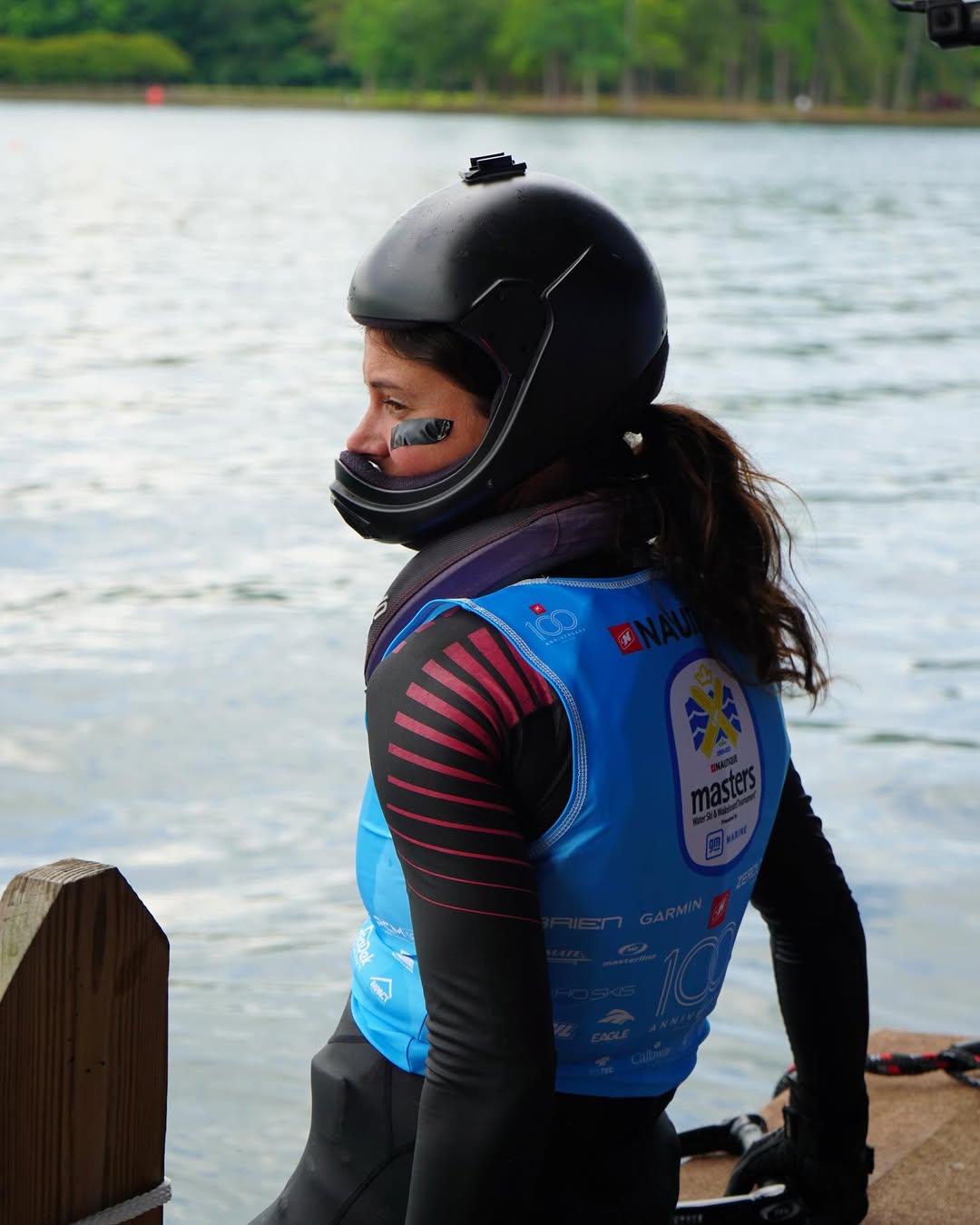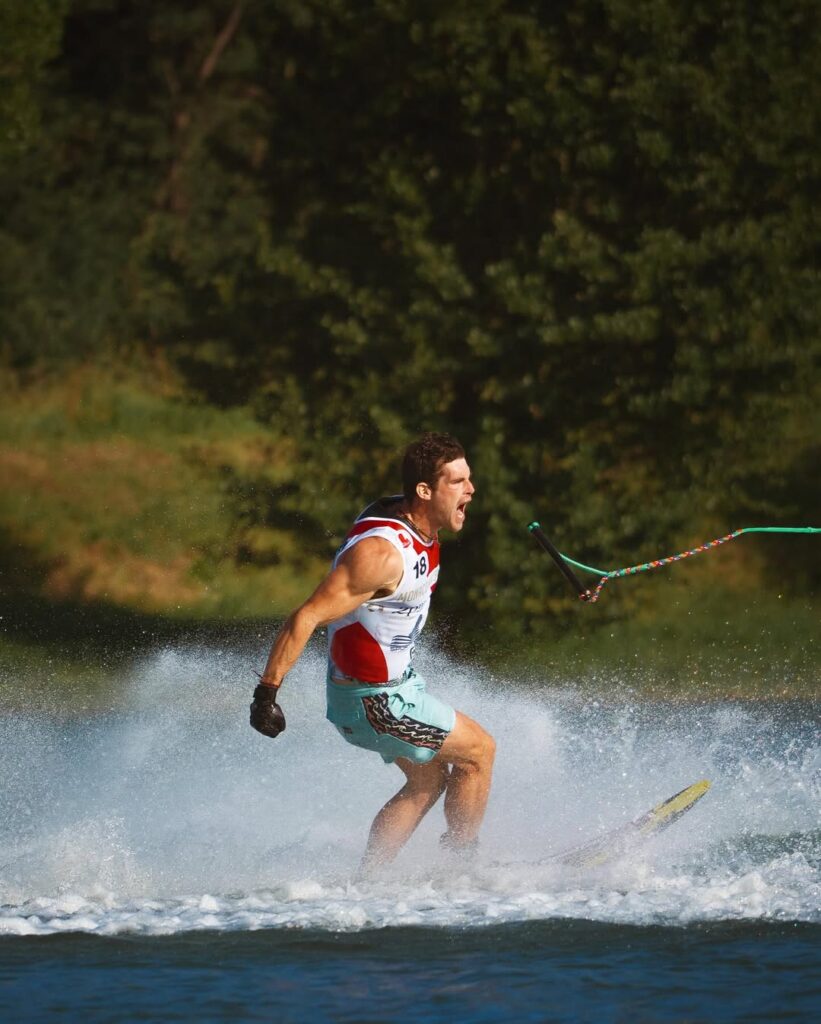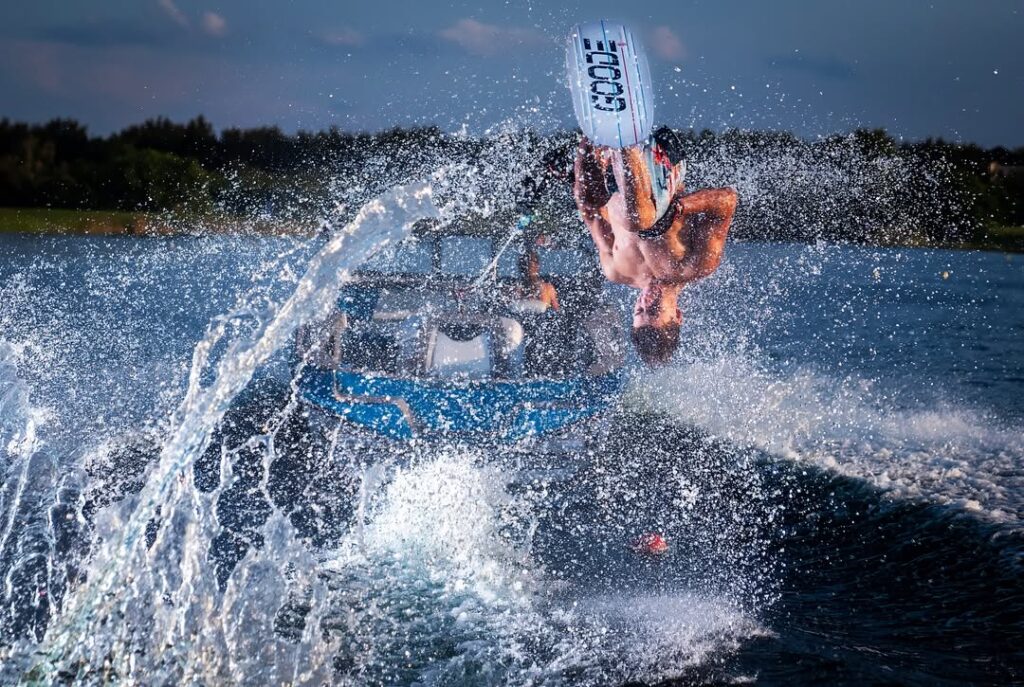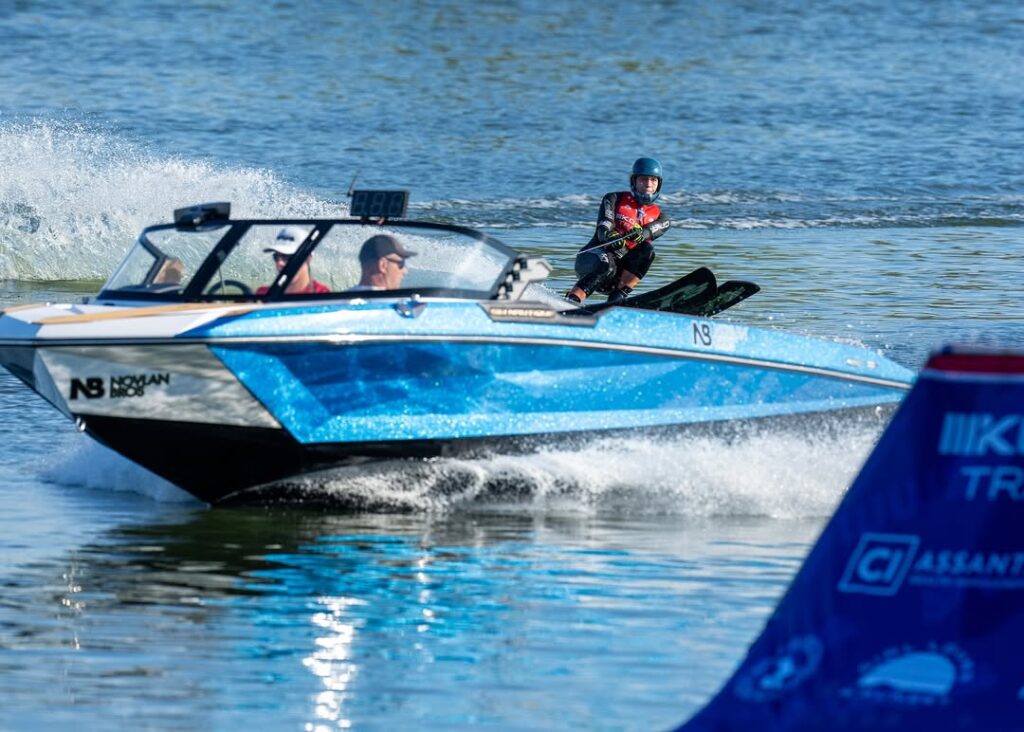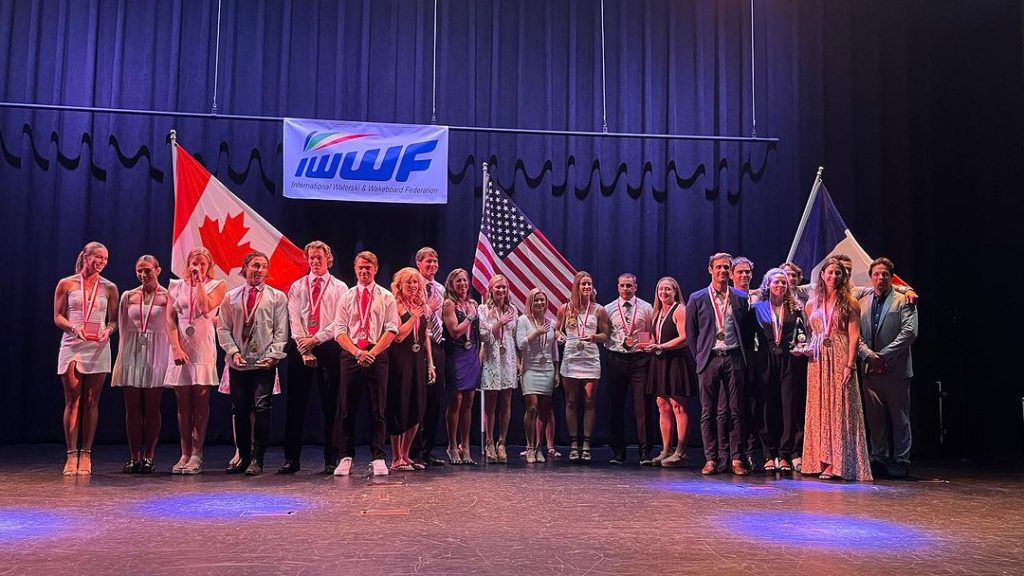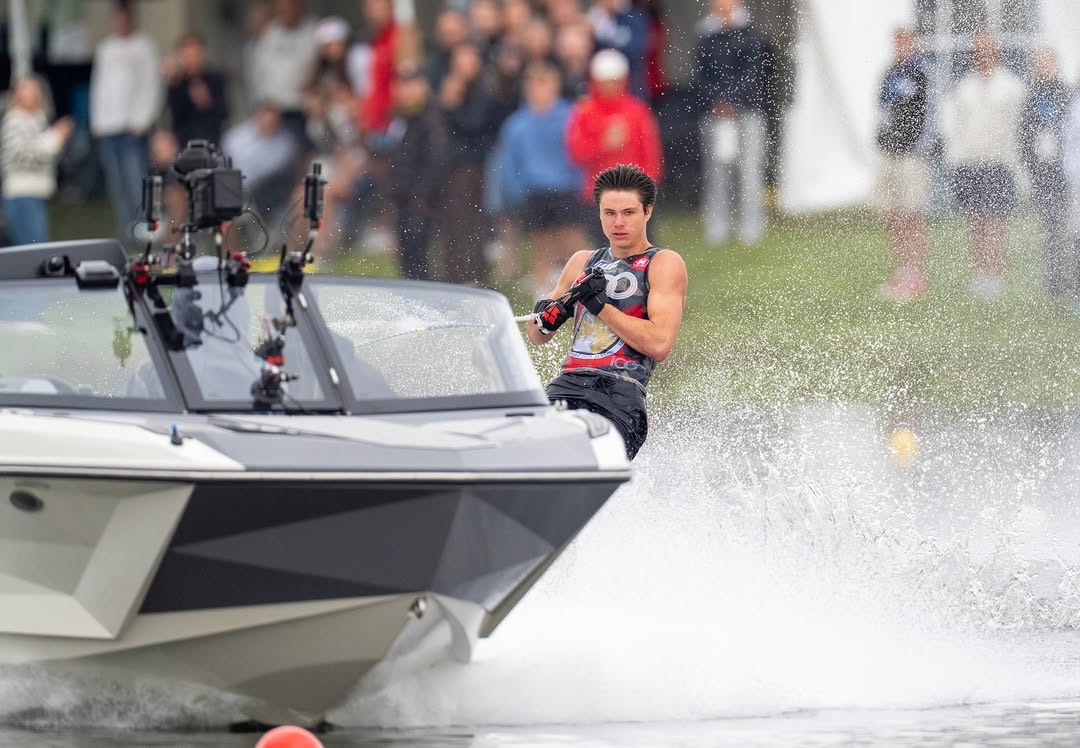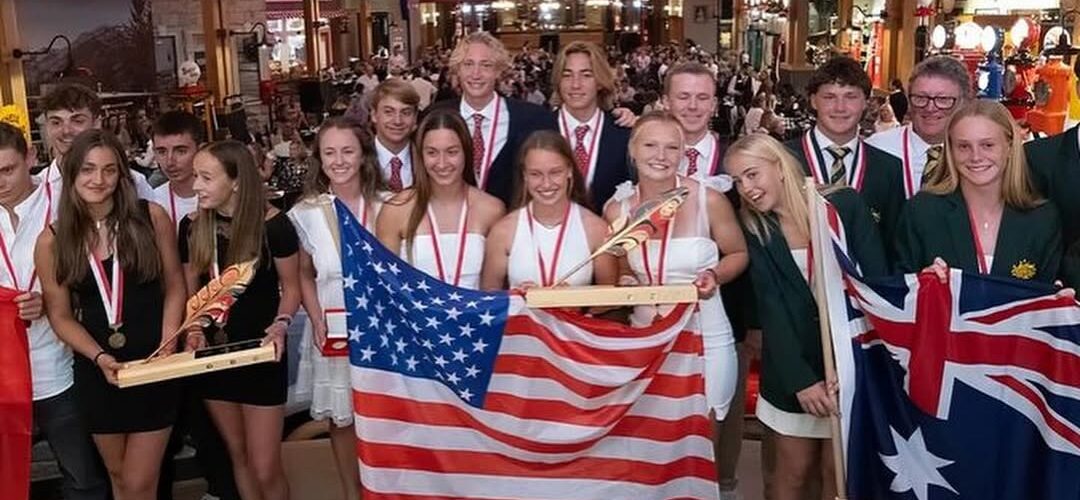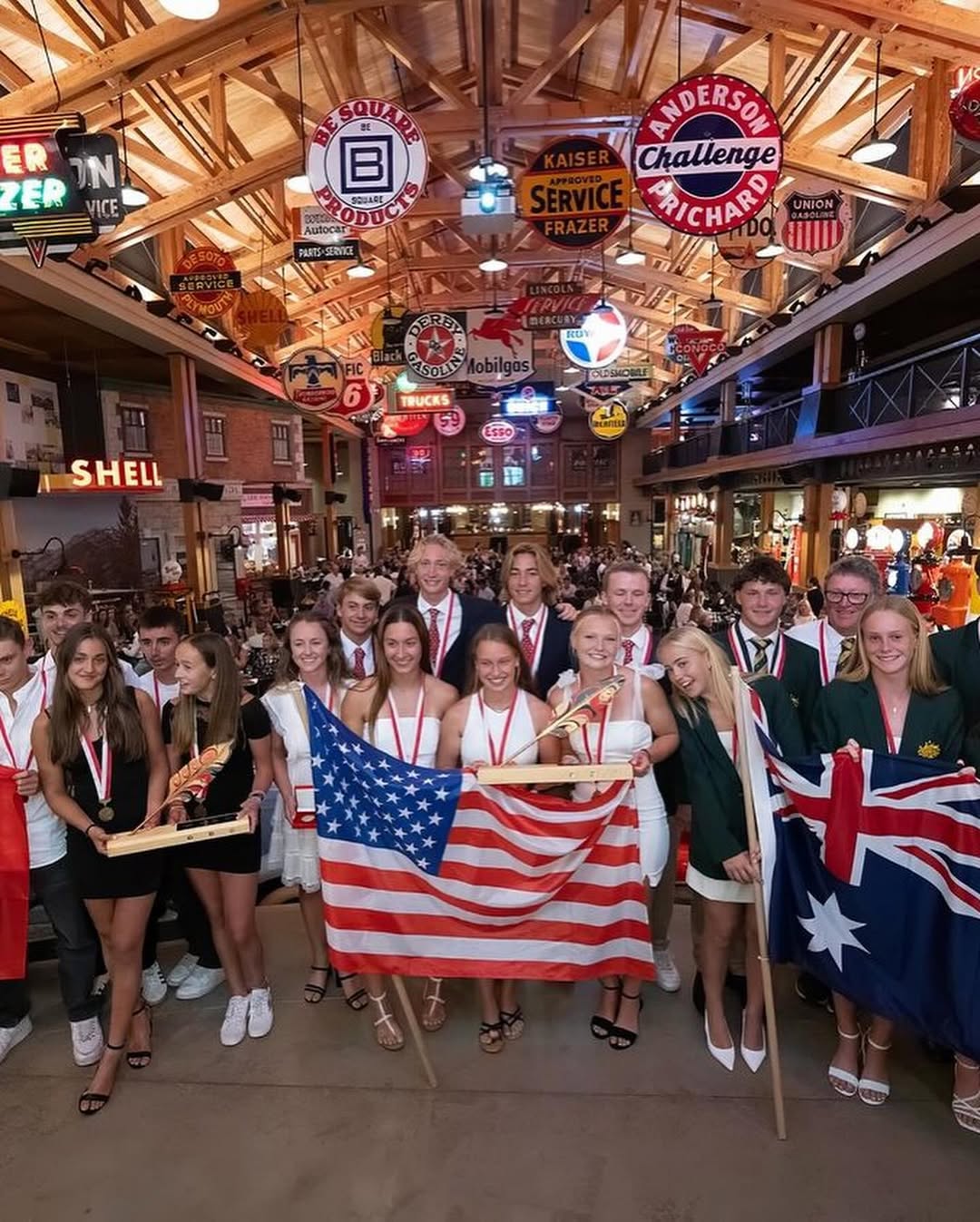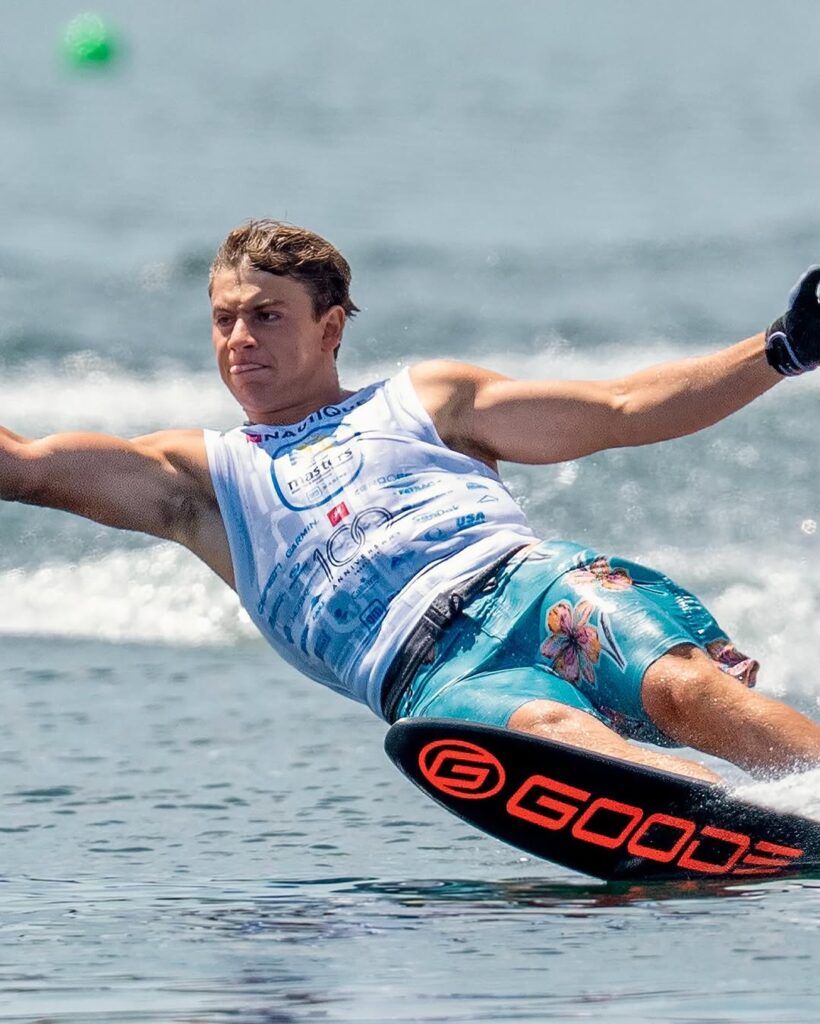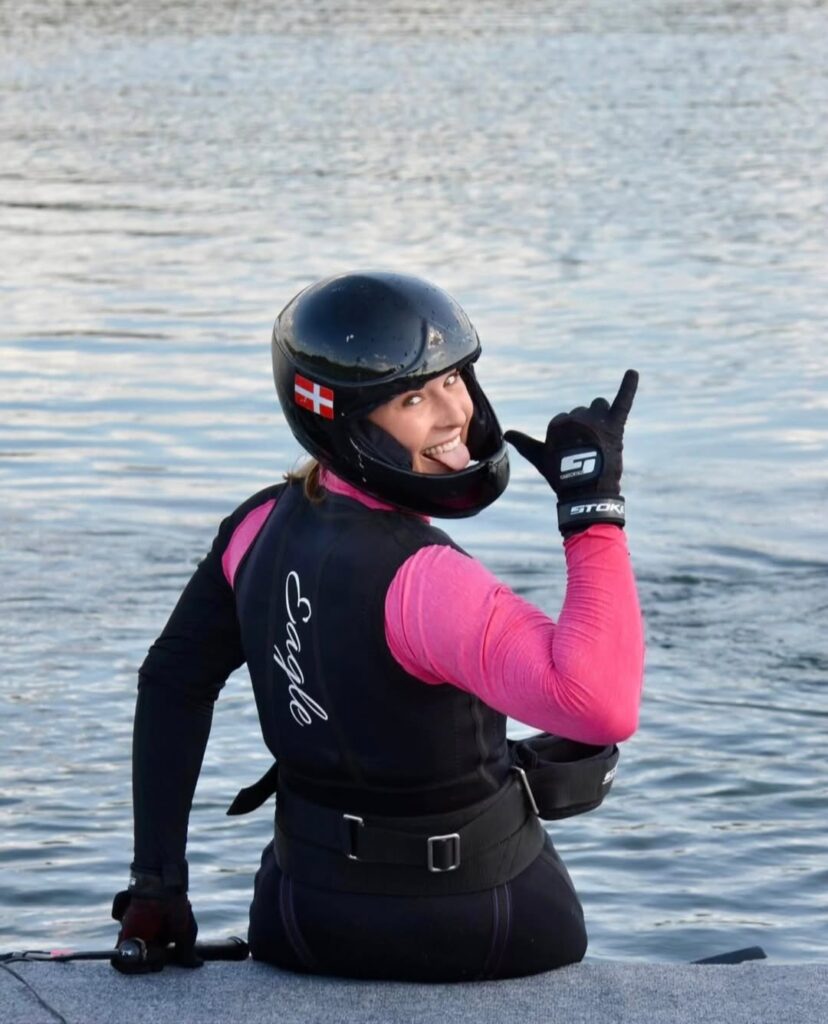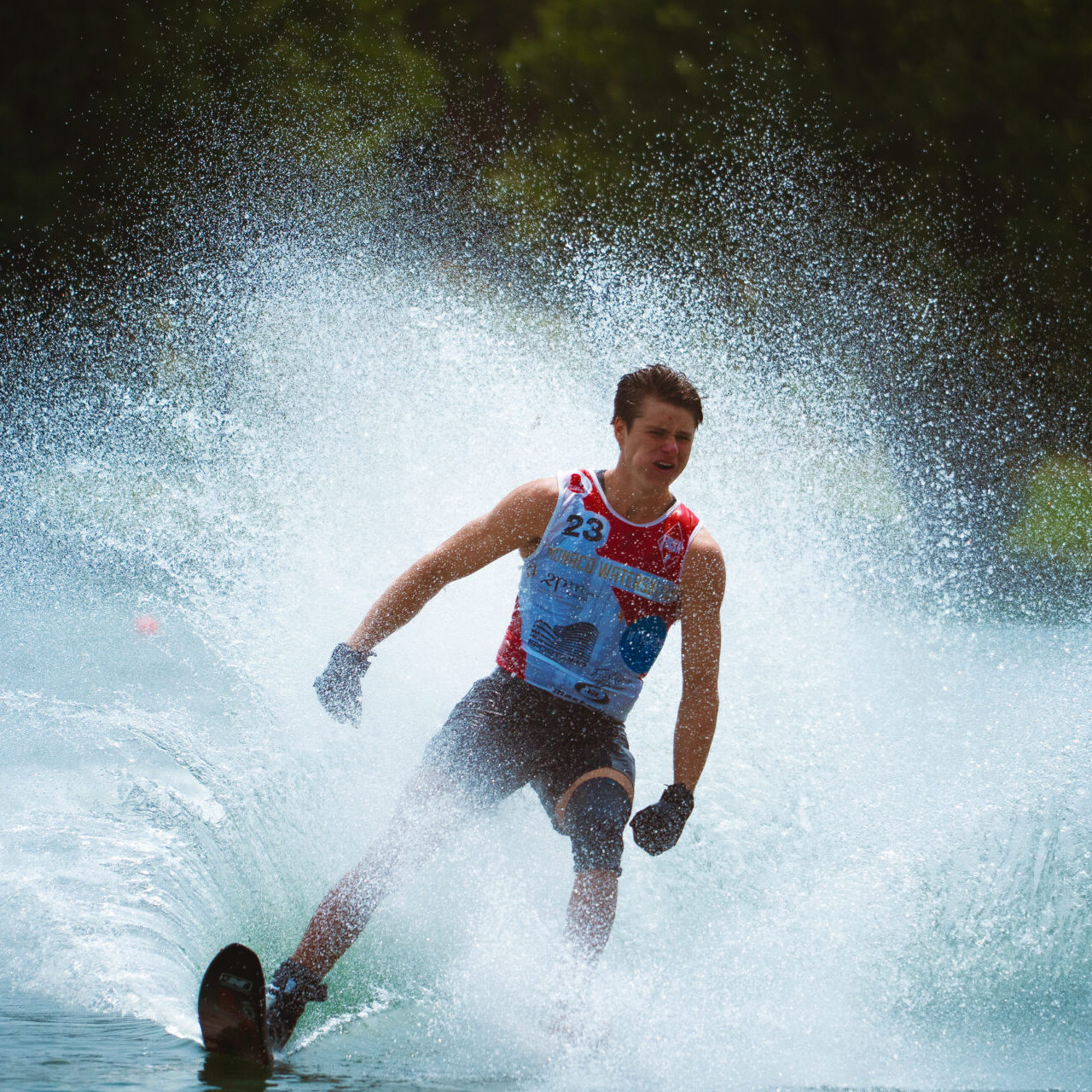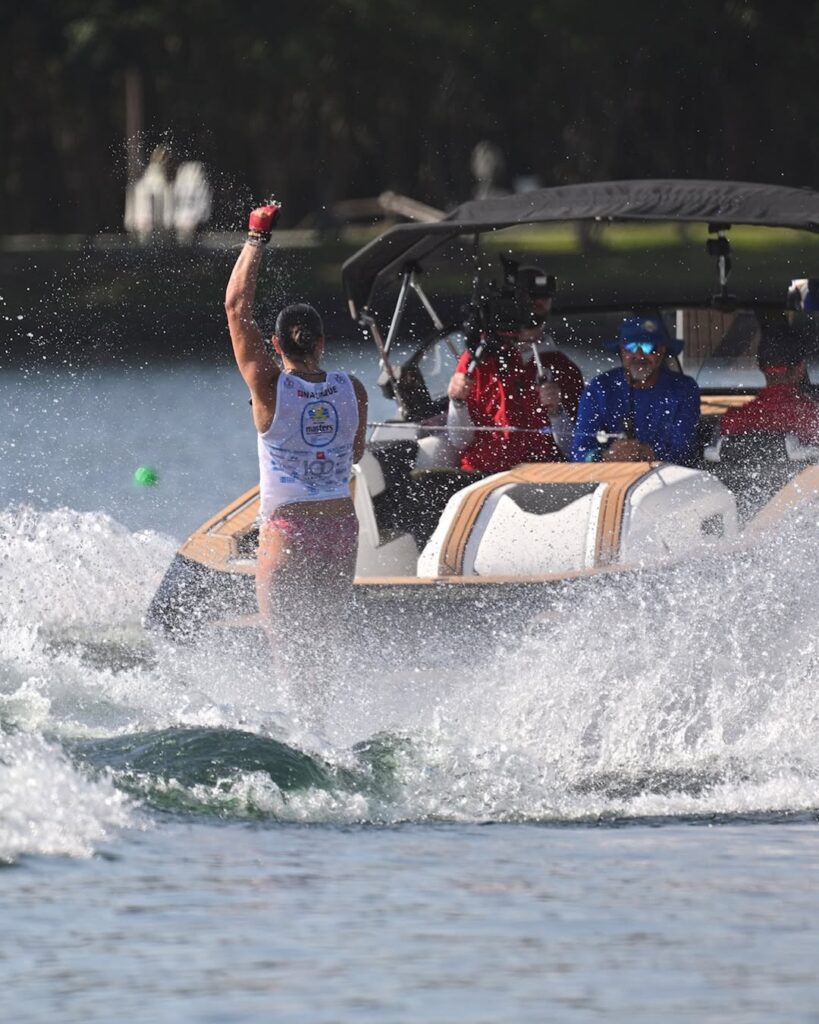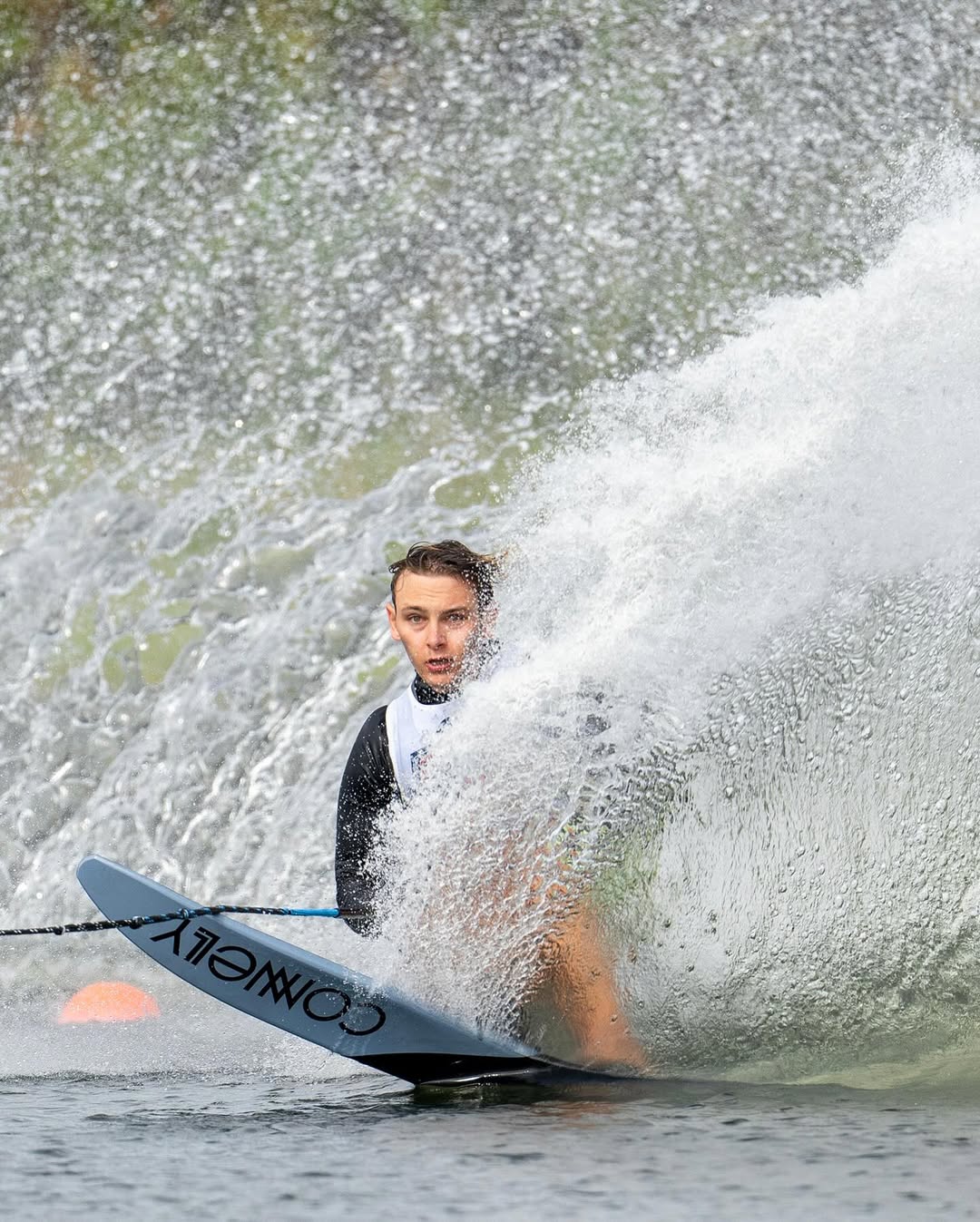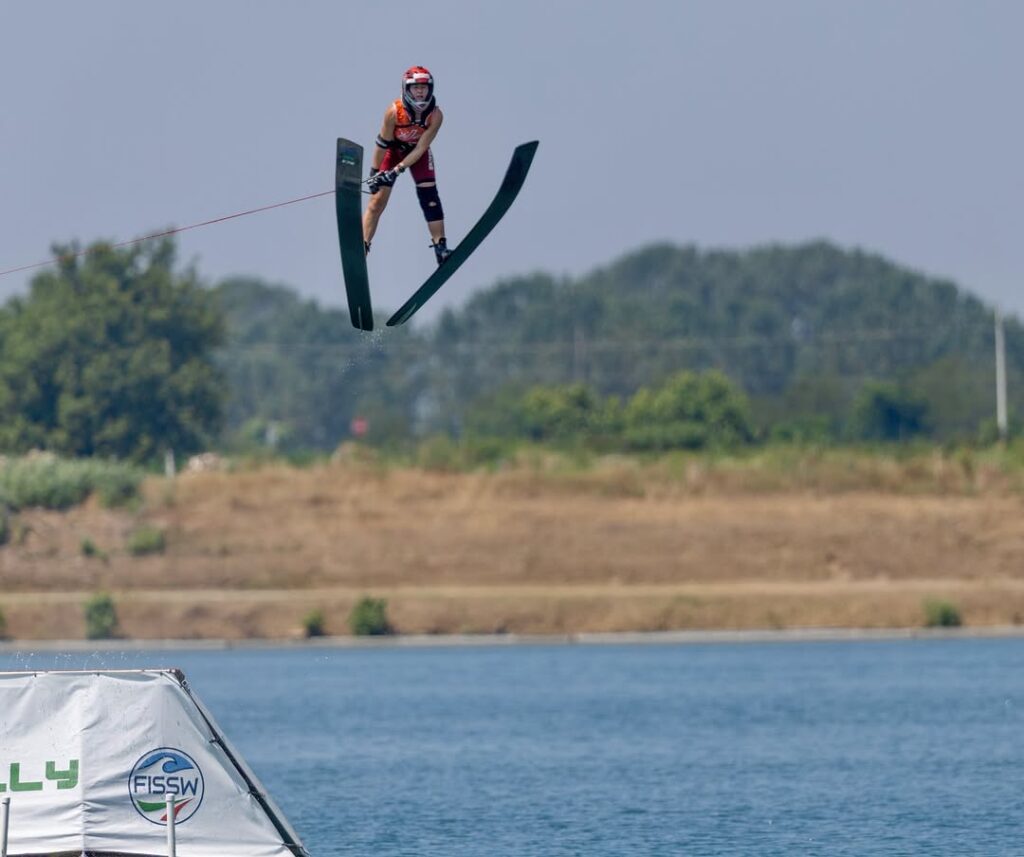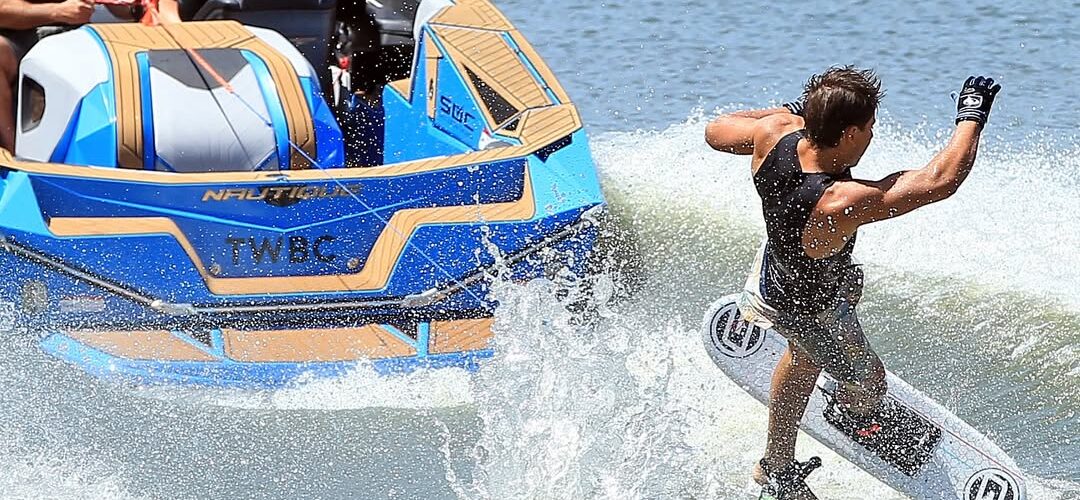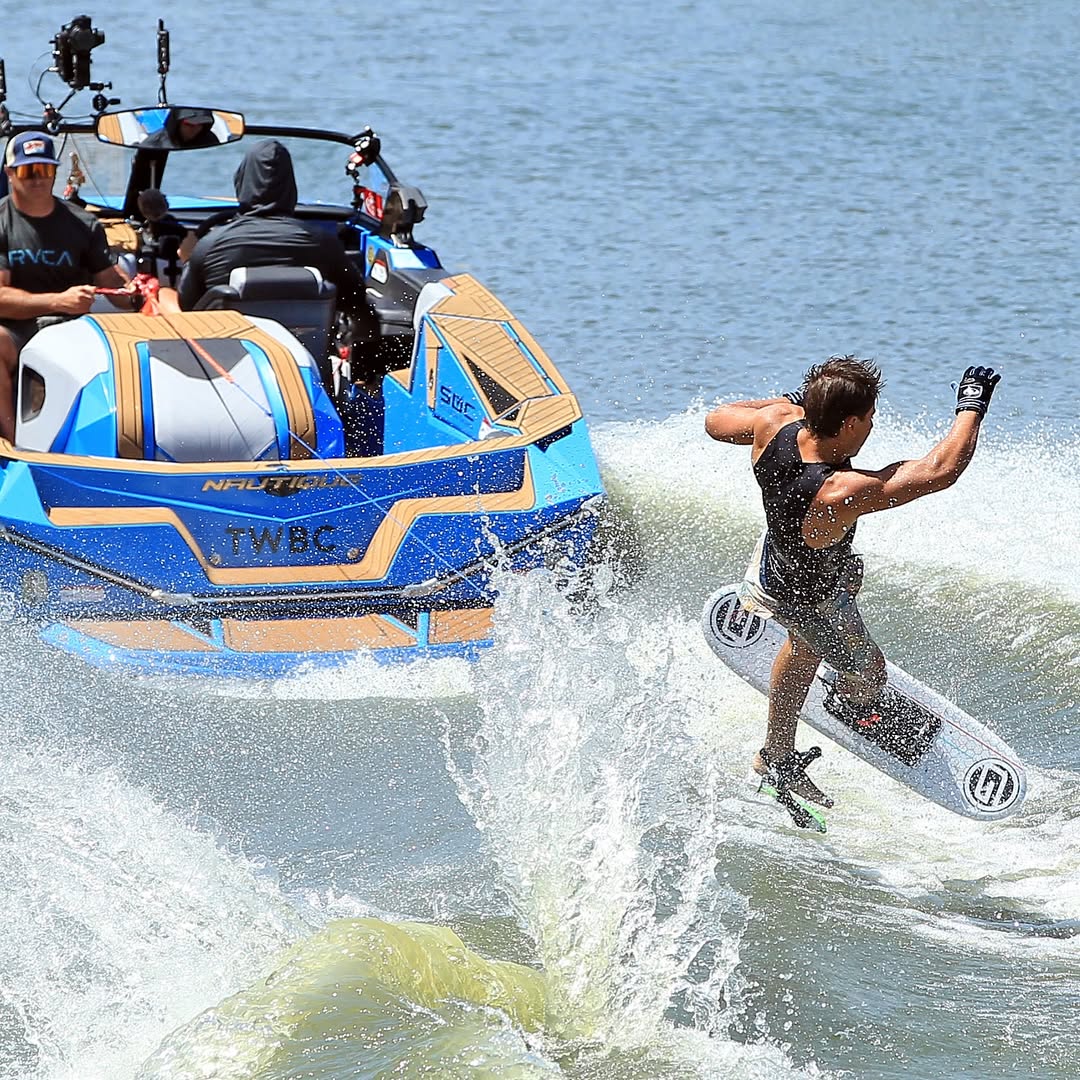
Get ready to watch Wakeboard, Wakesurf, and Cable Wakeboard, all taking place in Chengdu, China, from August 7–17, 2025.

Water Skiing Just Lost the World Games. Maybe We Deserved It.

News

Water skiing just lost the World Games. Maybe we deserved it.

Get ready to watch Wakeboard, Wakesurf, and Cable Wakeboard, all taking place in Chengdu, China, from August 7–17, 2025.

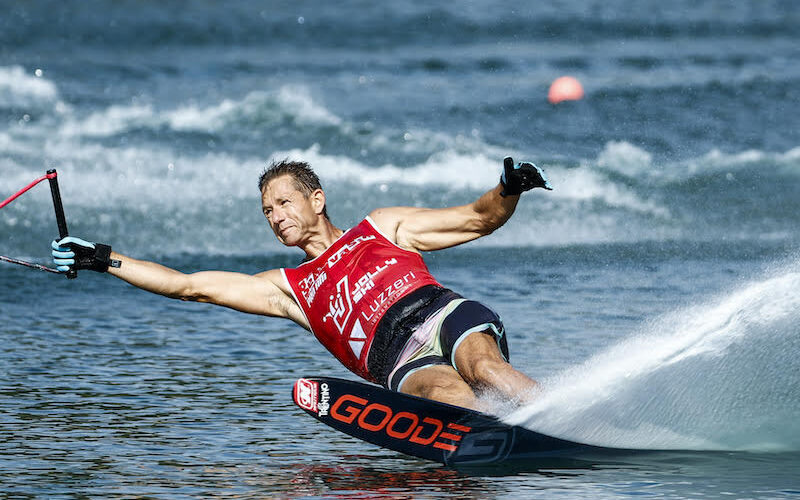
Wakeboard, Wakesurf, and Cable Wakeboard, all took place in Chengdu, China, from August 7–17, 2025 (image: IWWF)

By Jack Burden


The knives are out for the IWWF. They always are. This time, it’s over water skiing’s absence from the 2025 World Games in Chengdu. Forty-plus years of tradition gone, replaced by wakesurfing’s debut. Another bureaucratic misstep? Another case of bad leadership? That’s the easy take — and the one our sport seems most eager to reach for.

You’ve heard the grumbling: How could they let this happen? Don’t they know water skiing was one of the Games’ founding sports? We take it personally because it feels personal — a door slammed in our face after decades of loyal attendance. And yes, the decision was made in consultation with the IWWF. And yes, the optics are ugly. But let’s not pretend this was a bolt from the blue.

The World Games is a product, not a sentimental reunion. It exists to fill stadiums, sell tickets, and justify broadcast time. In that context, swapping three-event skiing for wakesurfing isn’t madness — it’s arithmetic. Wakesurfing needs less infrastructure. It plays better in urban venues. It comes with a soundtrack and an image package you can sell on TikTok. And China, our host, has a ready-made roster of wake athletes but exactly zero active three-event skiers. The organizers didn’t choose wakesurfing to spite us. They chose it because it fits their event better than we do.

Here’s the harder question: why wouldn’t we fit?

For years, our competitive structure has been almost aggressively insular. Our tournaments are for us. Our coverage is by us. Our audience is… well, mostly us. Many in the sport barely flinched when the news broke. The World Games? Please. It’s an outcasts’ Olympics, they say — full of fringe and gimmicky sports nobody watches unless they stumble across them on TV.

But that’s exactly the point. The World Games gave us legitimacy in the wider sporting world. In more than a few countries, national federations used our place in the Games to justify government funding. And when was the last time water skiing got real terrestrial TV coverage? For those still pining for the ESPN Hot Summer Nights era, this was as close as we’d come in decades. Now it’s gone.

Wakesports have embraced spectacle and accessibility; we’ve clung to purity and tradition as if they were a form of currency the real world still accepts. They aren’t. Not to the World Games, and not to any outside partner who needs more than nostalgia to justify a slot.

So, yes, the IWWF could have fought harder. Maybe they should have. But what exactly were they supposed to fight with? A product that hasn’t been meaningfully reimagined in decades? A fan base that barely exists outside our own families and training partners? A sport whose public face is often a locked gate to a private lake? That’s not leverage. That’s a liability.

And now we’re talking about the Olympics. “We are actively bidding for inclusion in Brisbane in 2032… we might have an actual chance to get in there,” IWWF President Jose Antonio Perez Priego said recently. Encouraging words — but when your most recent headline is We just lost the World Games, it’s hardly the kind of momentum you want for an Olympic pitch.

The truth is we weren’t pushed out — we drifted out. Slowly. By choice. By choosing to play only to ourselves. By defining “success” as keeping the same people happy instead of adding new ones. By treating the outside world as a distraction rather than an opportunity.

If losing the World Games feels like a punch to the gut, it should. But don’t waste your energy swinging at the IWWF. This isn’t a one-off scheduling decision. It’s a preview of our future if we keep doing exactly what we’ve been doing.

Because if we want to stop losing places — at the World Games, in media coverage, in the public imagination — we’re going to have to start competing off the water as fiercely as we do on it. Otherwise, this won’t be the last goodbye. It’ll just be the latest.

12 times European & Africa Champion.

44 and Still on Top: Degasperi’s Record-Breaking European Win

News

44 and still on top: Degasperi’s record-breaking European win

12 times European & Africa Champion.

Image: @this_is_tgas

By Jack Burden


At 44 years old, Thomas Degasperi is still rewriting water skiing’s record books. Over the weekend, the Italian captured his 12th European & Africa Slalom Championship—his sixth consecutive—cementing his place as one of the sport’s enduring greats.

“12 times European & Africa Champion. No words,” Degasperi posted afterward.

With the win, Degasperi moves into second all-time for most European titles in a single discipline, trailing only Patrice Martin’s 15 trick titles. He also climbs to 10th on the all-time titles list, but holds the record for the most titles by a single-event specialist. His 12 slalom crowns are more than double the total of the next closest men’s champions—Martin and Roby Zucchi—who each own six.

The latest triumph comes in the middle of another age-defying season. Degasperi currently sits third on the Waterski Pro Tour leaderboard after a string of podiums and a home-soil victory at July’s San Gervasio Pro Am. Only tour leader Freddie Winter has stood on more professional podiums in 2025 than the ever-present Italian.

A two-time world champion and five-time worlds medalist, Degasperi now turns his focus to the World Championships later this month, where he will once again ski in front of a home crowd.

In the European final, Degasperi held off a stacked field that included Sacha Descuns, Brando Caruso, and Tim Tornquist to extend his continental reign.

Other champions crowned in the tournament included Ukraine’s Danylo Filchenko, who took gold in both tricks and overall—mirrored on the women’s side by new mother Giannina Bonnemann Mechler, also winning tricks and overall. Additional titles went to Katerina Vrabcova, Luca Rauchenwald, and Jutta Menestrina.

Charlie Ross wins slalom at the 2025 IWWF Under-21 World Waterski Championships

Triumph, Turmoil, and Tears at the Under-21 World Championships in Calgary

News

Triumph, turmoil, and tears at the Under-21 World Championships in Calgary

Charlie Ross wins slalom at the 2025 IWWF Under-21 World Waterski Championships

Image: @johnnyhayward_photo

By Jack Burden


CALGARY, Alberta — The Under-21 World Waterski Championships have long served as the bridge between promise and prominence, a proving ground where rising stars and already-seasoned professionals collide. But even by its high standards, the 2025 edition—held at the picturesque Predator Bay Water Ski Club just outside Calgary—delivered a week of soaring highs, crushing lows, and a final day that left the waters of Alberta rippling with both celebration and controversy.

This was an event marked by breakout performances and premature heartbreak, where future world champions were minted and the sport’s deeper fissures were exposed for all to see.

Before the finals even began, the undercurrents of chaos were already pulling the field in unpredictable directions. In men’s tricks, a rash of early falls upended the leaderboard and torpedoed the hopes of several title contenders. Chile’s Matias Gonzalez, one of the pre-event favorites, fell early on his toe pass—then tried to mount a Patrice Martin-style resurrection. It wasn’t enough. His exit took with it any hopes of challenging Jake Abelson for the title.

By the end of qualifying, Team USA had built an insurmountable lead in the team standings, while Germany’s Tim Wild—still riding the momentum from his historic sweep at the Junior Masters—put the men’s overall title virtually out of reach before the final round even began.

With forecasts shifting, organizers moved the jump finals to the front of the schedule—and the drama began immediately.

The women’s event mirrored last year’s Under-17 showdown, held at the same site. Denmark’s Maise Jacobsen, the reigning U17 world champion, went over 48 meters to stake her claim early. Then came Australia’s Kristy Appleton, launching a huge 48.7-meter (160-foot) jump on her final attempt to take the lead.

But what followed was a string of brutal setbacks. Austria’s Leona Berner took a violent out-the-front on her opening jump—only to have competitors rally around her, offering skis and helping switch bindings in a stirring act of sportsmanship. Her teammate, Lili Steiner, another podium hopeful, landed awkwardly and was forced to withdraw injured. Canada’s Nellie Allard secured bronze after a new personal best, but it was Appleton who stood tallest, earning her first world jump title in stunning fashion.

The men’s final followed a similar arc. With several top seeds falling short of their qualifying marks, it was France’s Antoine Morin, skiing from the middle of the pack, who set the distance to beat: a clean, composed 60.6-meter leap—his first time ever clearing 60 meters.

Nobody else could match it. Wild locked in bronze to seal his overall title. Italy’s Florian Parth, returning to form after a quiet season, came closest but had to settle for silver. The top seed, American Gage Kacprowicz, dislocated his shoulder after crashing on his opening jump and was helped from the water. In the week’s most unexpected result, Antoine Morin became a world champion—despite not featuring on most pre-event radar screens.

In women’s slalom, South America, the continent that has claimed the last three Under-17 world titles, continued its rise. Skiers from Chile and Peru claimed the top four spots in the final, culminating in a dramatic three-way runoff between Christiana De Osma, Daniela Kretschmer, and Trinidad Espinal. The reigning Under-17 World Champion, De Osma, emerged victorious—running into 10.75m (39.5’ off) to seal the title.

The men’s slalom final was perhaps the most anticipated event of the tournament. But what was expected to be a shootout at 10.25m (41’ off) turned into a survival test, with skier after skier falling victim to the 10.75m line.

Mexico’s Jaime Palomino was the first to break through, posting 1.25 at 10.25m to set the pace. Australia’s Lucas Cornale looked confident through 10.75m but failed to get out of the gates on 10.25m. Then, reigning Under-17 World Champion Jaeden Eade pulled up narrow at 10.75m and fell short.

It was left to Canadian Charlie Ross, defending champion and home-country favorite, to finish the job. He didn’t disappoint. With measured aggression and trademark composure, Ross tied Will Asher’s 22-year-old World Championships record of 3@10.25m—matching the longest-standing mark in the sport’s history and becoming a two-time Under-21 World Slalom Champion.

The tournament ended with fireworks, and not just from the skiing.

Emma Davis of Team USA held a slim lead in the overall standings going into the trick final, with Alexia Abelson still within striking distance. But an off day in toes dashed Abelson’s chances in both tricks and overall.

Then came a trio of standout runs: Canada’s Hannah Stopnicki, Colombia’s Daniela Verswyvel, and Canada’s Olivia Chute all delivered strong performances. But when the scores dropped, controversy erupted.

Verswyvel’s reverse mobe—a pivotal 800-point trick—was unanimously ruled no-credit by the judging panel, dropping her to second behind Stopnicki. The TWBC live chat exploded with confusion and outrage. Elite skiers including Patricio Font and Neilly Ross voiced disbelief. Protests were lodged. Videos scrutinized. The call stood.

There’s an old adage in sport: the best judges are the ones you never notice. When they do their job well, the athletes—and not the adjudication—are the story. By that measure, the trick judging at this World Championships left much to be desired. This time, it was the judges, not the tricks, who stole the spotlight.

“I think that’s the discussion,” Gonzalez said on the TWBC broadcast. “In my opinion, it was pretty good—it is credit.”

What followed was a viral groundswell of support for Verswyvel, with her father sharing an emotional comment:

“After years of hard work and dedication, those who are supposed to be impartial lacked the humility to admit a mistake… Even if others refused to acknowledge it, the true champion proved it in the competition.”

But it’s worth stating clearly: Hannah Stopnicki is a phenomenal trick skier. She could easily have won with no drama had she landed her final flip. In a moment bigger than either athlete, Stopnicki and Verswyvel embraced after the final—two competitors in tears, caught in a storm they didn’t ask for.

“Honestly my toe run felt so good,” Stopnicki said. “I know the judges are looking at everything extra carefully today, so I was just trying to be as clean as I could be and stay on top of the water.”

In contrast, the men’s trick final was relatively sedate. With Mati Gonzalez relegated to the commentary box, only France’s Tristan Duplan-Fribourg looked like a potential challenger. The Frenchman earned plaudits with a gritty, chaotic, improvisational run that won over the crowd—but Jake Abelson was untouchable.

His 12,100-point performance set a new Under-21 World Championships record and added yet another accolade to what’s already one of the most decorated junior careers in water skiing history.

While the event featured standout performances across all disciplines, the shallow depth of the women’s field was a concerning undercurrent. The cutoffs to reach finals in slalom, tricks, and jump were among the lowest in tournament history—raising questions about development pipelines, participation, and long-term sustainability on the women’s side of elite water skiing.

But for one week in Calgary, the next generation took center stage—some rising, some falling, all reminding us why this sport, at its best, is one of the most beautiful and brutal in the world.

Teams podium from the 2024 Under-17 World Water Ski Championships

Meet the Rising Stars To Watch at the Under-21 World’s This Week

News

Meet the rising stars to watch at the Under-21 World Championships this week

Teams podium from the 2024 Under-17 World Water Ski Championships

Image: @melitine_m

By Jack Burden


CALGARY, Alberta — The future of waterskiing descends on Canada this week.

The 2025 IWWF Under-21 World Championships kick off at Calgary’s stories Predator Bay Water Ski Club. Host of the 2009 World Championships and a string of pro events since, Predator Bay is the kind of site that inspires career-best performances — and with the under-17 world titles just completed and over-35 event still to come, this marks the middle leg of a rare triple header of World Championships.

First held in 2003, the Under-21 Worlds has become a rite of passage — a proving ground where prodigies stake their claim and new names break through. With scores climbing higher than ever across all three events, this year’s championship promises more than just titles. It’s a glimpse into what comes next.

Here are nine athletes poised to make that leap.

Jake Abelson slaloms at the 2025 Jr. Masters

Image: @bearwitnesssportsphotos

Jake Abelson (USA)

For all the headlines Jake Abelson has made as a trick skier — including becoming the first to eclipse 13,000 points — he arrives in Calgary as the frontrunner in men’s overall.

That might catch some off guard. But to those paying attention, the 17-year-old American has quietly rounded out his game. He runs deep into 11.25m (38’ off) in slalom, and consistently sails past 55 meters (180 feet) on the jump ramp. With reigning World No. 1 Martin Labra sidelined by injury, the path is open — and Jake has the horsepower to take it all.

He’s already swept trick titles at Moomba, the U.S. Masters, and BOTASKI ProAm this season. Now he’s chasing something bigger: a second consecutive world overall title, following his Under-17 double gold from last year.

Under-21 World Rankings:

  • Tricks: 1st (12,990 points)
  • Overall: 2nd
Maise Jacobsen holds the under-17 world water ski jump record

Image: @bretellisphotography

Maise Jacobsen (DEN)

No junior has ever jumped farther than Maise Jacobsen. Not even Jacinta Carroll.

At just 17, the Danish phenom holds the junior world jump record at a jaw-dropping 49.1 meters (161 feet), and she returns to the same Calgary site where she claimed gold at last year’s Under-17 World Championships.

She’s still skiing on the lower speed and ramp height of the Under-17 division, but that hasn’t stopped her from topping the Under-21 rankings. Her smooth style and fearless approach make her a favorite — not just for gold, but to dominate for years to come.

Under-21 World Rankings:

  • Jump: 1st (48.0 meters)
  • Overall: 7th
Charlie Ross won the Monaco Waterski Cup in style

Image: @arthur_sayanoff

Charlie Ross (CAN)

The title defense starts here.

Charlie Ross is the only reigning Under-21 World Champion returning this week — and with two pro wins already in 2025, the Canadian is better than ever.

He’s the latest skier to join the exclusive 10.25m (41’ off) club and has been a fixture on pro podiums all season. But the real edge? He’s skiing in front of a home crowd, and few will match his hunger to repeat.

A technical, deeply analytical skier, Ross has always had the tools. Now, he’s putting it all together.

Under-21 World Rankings:

  • Slalom: 1st (1@9.75m)
Lexi Abelson celebrates winning tricks at the 2025 Jr. U.S. Masters

Image: @eric.steiner.realtor.foto 

Alexia Abelson (USA)

The younger Abelson sibling is quickly forging a legacy of her own. The reigning Junior Masters and U17 world champ in tricks, Lexi recently broke 9,000 points for the first time and scored her first pro podium in overall.

At just 15, she’s among the youngest in the field—but don’t be surprised if she’s vying for titles across multiple events.

Under-21 World Rankings:

  • Slalom: 5th (3.5@11.25m)
  • Tricks: 2nd (8,770 points)
  • Overall: 3rd
Lucas cornale slaloms at the 2024 MasterCraft Pro

Image: @johnnyhayward_photo

Lucas Cornale (AUS)

Straight out of winter in Australia, Lucas Cornale lands in Calgary as the wildcard no one wants to face.

He made history last season as the youngest man in decades to win a pro slalom title, and his raw, aggressive style makes him one of the sport’s most exciting talents. With only a handful of tournament starts this year, he’s a bit of a mystery — but don’t mistake that for inconsistency.

His matchup with Charlie Ross could define this championship.

Under-21 World Rankings:

  • Slalom: 2nd (4.25@10.25m)
  • Overall: 6th
Lili Steiner jumps at San Gervasio in Italy

Image: @vikjngo69

Lili Steiner (AUT)

Austria’s rising star, Steiner was the linchpin of their shock University Worlds team victory. Now, she enters Calgary as the favorite in women’s overall and a serious contender in both slalom and jump.

Steiner has a string of podiums under her belt, including on the WWS Overall Tour, U.S. Collegiate Nationals, and, most recently, the University World Championships, where she finished runner up in jump and overall.

Now she’s chasing a first major individual title.

Under-21 World Rankings:

  • Slalom: 8th (3@11.25m)
  • Jump: 2nd (46.6 meters)
  • Overall: 1st
Matias Gonzalez tricks at the 2025 Portugal Pro

Image: @thewaterskiacademy

Matias Gonzalez (CHI)

Jake Abelson might be the biggest name, but Matias Gonzalez is every bit his equal in tricks — and has the hardware to prove it.

Gonzalez beat Abelson for Under-17 world gold last year and came within a whisker of winning the Under-21 title last time out. He also holds the highest trick score ever recorded in a pro event, proving he delivers when it matters.

He’s been just behind Abelson at every turn in 2025 — but this could be the week he flips the script.

Under-21 World Rankings:

  • Tricks: 2nd (12,830 points)
Christhiana De Osma at the 2024 Junior U.S. Masters

Image: @cristhiana.do

Christiana De Osma (PER)

Still technically Under-17 eligible, De Osma enters these championships as the world No. 1 in slalom.

The Peruvian star has claimed junior victories at Moomba and the U.S. Masters this season, and scored her first professional podium in Melbourne with a bronze. She’s known for handling pressure and tough conditions, and runs deep into 10.75m (39.5’ off) with remarkable consistency.

She’s already the Under-17 World Champion. A second title — at the U21 level — would be a fitting next step.

Under-21 World Rankings:

  • Slalom: 1st (2.5@10.75m)
  • Tricks: 9th (5,990 points)
Florian Parth at the San Gervasio Pro Am

Image: @shotbythomasgustafson

Florian Parth

The biggest dark horse of these Championships, Florian Parth has only jumped in one tournament in 2024, during which he passed on five out of six jumps, recording only a single score of a paltry 41 meters.

But just last year, he stood on the podium at the U.S. Masters and was the No. 1 ranked Under-21 jumper in the world.

When he’s on, no one jumps farther.

He also has serious slalom chops, having run into 10.25m (41’ off) multiple times. If he finds form in Calgary, he could blow this tournament wide open.

Under-21 World Rankings:

  • Slalom: 7th (0.25@10.25m)
  • Jump: N/A

Jake Abelson tricks at the Swiss Pro Tricks

It’s Official: Jake Abelson Sets Historic 13k Trick Ski World Record

News

It’s official: Jake Abelson sets historic 13k trick ski world record

Jake Abelson tricks at the Swiss Pro Tricks

Image: @shotbythomasgustafson

By Jack Burden


POLK CITY, Fla. — It’s official: trick skiing has a new benchmark, and Jake Abelson’s name is etched beside it.

The International Waterski & Wakeboard Federation (IWWF) confirmed today that Abelson’s 13,020-point performance at the Bill Wenner Memorial Record tournament on June 14 has been ratified as a new men’s world trick record.

The 17-year-old American becomes the first skier in history to break the 13,000-point barrier, surpassing his own previous record of 12,970 set last year.

“It’s always been my goal to trick 13,000, if it was even possible,” Abelson said on USA Water Ski’s Hit It! podcast. “After my 12,970, I realized that it could be done if I had the best round—and I was able to put the hand run and the toe run together.”

He did. And then some.

Abelson actually went higher in the following round of the same event, tricking a jaw-dropping 13,270 points. But that score was ultimately disallowed by the IWWF record review panel after his wake-seven-front (W7F) was ruled not credit. The panel reduced the score to 13,010 for ranking purposes, leaving the 13,020 from Round 1 as the new official world record.

Still, it’s a monumental achievement—24 years in the making.

The men’s trick world record has long moved at a glacial pace. In the 18 years following Nicolas Le Forestier’s 2004 mark, it was broken just once. The stagnation gave trick skiing a reputation as the most frozen of the three disciplines.

That changed in 2022, when Patricio Font jump-started a new era with a flurry of record-setting performances. Now, Abelson has taken that torch and launched it into uncharted territory.

His 13,020 wasn’t a fluke. It was the culmination of years of work—gymnastics-level strength, surgical timing, and tournament composure.

The hand pass opens with a blistering sequence of high-difficulty flips. At the bitter end of the 20-second window—when most skiers are clinging to their last breath—Abelson unleashes his most difficult combo: ski-line-seven-back-to-back into wake-seven-front. Together, those two tricks are worth 1,550 points and demand perfect placement and timing.

“Really the only place for it is at the end of the run,” Abelson said. “But at that time, I’m pretty tired, pretty gassed. So learning to do that while tired was a real challenge.”

That final sequence was the key. Without it, 13,000 wasn’t possible.

With the record now ratified, the obvious question follows: Is 14,000 next?

“People keep asking me that,” Abelson said, laughing. “I’m not brainstorming that point yet.” For now, the teenager says he’s focused on taking things “one trick at a time.”

He’s right to be cautious. Trick skiing is a race against the clock—20 seconds, no more. As tricks become more difficult, the challenge isn’t just execution. It’s speed, efficiency, and composure. And that means the margin for further progress is slim.

But Abelson isn’t done yet.

He’ll represent Team USA later this month at the IWWF World Under-21 Championships in Calgary, followed by the IWWF World Open Championships in Recetto, Italy, this August.

And it’s not just in trick. Abelson was recently named to the U.S. team in overall, a nod to his emergence as one of the sport’s most complete athletes.

His story is still in its early chapters. But already, the impact is clear.

Jake Abelson didn’t just break a world record—he shattered a mental barrier. And maybe a generational one too.

Ali Garcia reacts to a new personal best and qualifying for the finals at the 2025 San Gervasio ProAm

Garcia Breaks Through with Emotional Podium as Bull Sweeps European Leg

News

Ali Garcia breaks through with emotional podium as Jaimee Bull sweeps European leg

Ali Garcia reacts to a new personal best and qualifying for the finals at the 2025 San Gervasio ProAm

Image: @andrea_gilardi_fotografo

By Jack Burden


SAN GERVASIO, Italy — For Ali Garcia, the breakthrough didn’t come with fireworks. It came with tears.

After months of grinding on the Waterski Pro Tour with little reward, the 23-year-old American finally stood tall in San Gervasio, riding a season-best performance into the finals and finishing second behind an undefeated Jaimee Bull. But it wasn’t the result that made the moment — it was how she got there.

In the qualifying round, Garcia tied her personal best of 3 buoys at 10.75 meters — a score she hadn’t managed all season — grinning ear to ear as she took the provisional lead and forced top seeds Allie Nicholson and Bull to deliver under pressure to hold their spots.

“I’m so happy, honestly,” Garcia said after qualifying. “This whole week I’ve been skiing really well and I felt like I could get my first three of the summer. I didn’t feel good the whole set — my rhythm was crazy — so the fact I could still put up a score makes me feel really confident.”

Then came the semifinals.

Matched up against Nicholson in a head-to-head showdown, Garcia needed a piece of 4 at 10.75 to advance — a score she had never achieved in competition. She delivered a gutsy 3.5, a new personal best, and stood afterward with tears in her eyes, soaking in the weight of the moment.

“A week ago I was calling my parents crying, saying I thought I should come home,” she said. “Now I PB’d. I thank my brother for teaching me how to throw a ski because I wouldn’t know how if he didn’t push me to crash more often.”

In the final against Bull, Garcia claimed 3 at 10.75 again — matching her previous best for the third time that weekend.

“I just figured I had nothing to lose,” she said. “Thirty minutes ago, three was my PB, so to tie it in a final — I’m psyched. It was so fun just to participate.”

No skier — man or woman — has entered more pro slalom events in 2025 than Garcia. Until now, she had yet to reach a podium. But her San Gervasio run changes everything. She now sits fourth on the Waterski Pro Tour leaderboard behind Bull, Nicholson, and Neilly Ross — with momentum, and belief, finally on her side heading into the U.S. season closers and the looming World Championships.

For her father, Steve Garcia, watching from across the world, it was a moment years in the making.

“More tears than can be counted,” he wrote. “Like so many challenges, especially the last 12 months. And on one special day, in one special moment, I’m confident Ali would say it was all worth it.”

At the top of the table, Bull’s dominance continued.

The Canadian completed a perfect five-stop sweep through Europe, winning every event and locking up the top spot in the Waterski Pro Tour standings. Neither of her biggest rivals — Regina Jaquess or Whitney McClintock Rini — made the trip across the Atlantic, but Bull left little room for doubt. Her control at 10.75 has become surgical, and her consistency now matches her explosive potential.

“Ali crushed it last round and I knew she was going to go for it,” Bull said after the final. “I played it a bit safe at four just to make sure I didn’t fall — it’s a bit choppy down there — and made sure I had a full five. I’m happy. It’s been a great five weeks. Really good skiing for me, and I’m happy we get to go home now.”

Bull owned the top step. But Garcia may have delivered the weekend’s most powerful story — a reminder of how much the sport demands, and how sweet it can be when persistence finally pays off.

No crushing expectations. No top-seed pressure. Just a ski, a rope, and one more try.

And this time, she made it count.

Hanna Straltsova

Straltsova Sets Another Pending Overall Record—By the Slimmest of Margins

News

Straltsova sets another pending overall record—by the slimmest of margins

Hanna Straltsova

Image: @streltsova.ania

By Jack Burden


SCOTT, Ark. — For the second time in a month, Hanna Straltsova may have broken the longest-standing world record in water skiing — once again by the slimmest of margins.

At the We Wave Independence Day Record held at Bullneck Lake, the reigning world overall champion posted a slalom score of 0@10.75m, a trick score of 9,070 points, and a 58.5-meter (192-foot) jump. Combined, those numbers edge out the current world overall record by just three points — a margin smaller than a sideslide. The existing record, set by Natallia Berdnikava in 2012, had remained untouched for over a decade until Straltsova’s recent surge.

This performance builds on Straltsova’s pending record from just last month, continuing her quiet assault on one of the sport’s toughest milestones. That both scores came at small, domestic record tournaments rather than major events only adds to the understated precision of her campaign.

On social media, Straltsova teased, “All of my best scores are yet to come in one round,” hinting that she may still be building toward a definitive peak.

While the spotlight this weekend was on Quebec — where the WWS Canada Cup opened the 2025 Overall Tour with prize money, crowds, and high-stakes battles between stars like Giannina Bonnemann Mechler and Kennedy Hansen — Straltsova stayed home, opting for the solitude of an amateur backyard tournament over center stage.

That decision mirrors her career in recent years. Since switching allegiance from Belarus to the U.S., she’s competed outside the country just twice in the last five years — both times at the WWS Canada Cup.

Still, the timing couldn’t be more compelling. With the World Championships looming later this summer, Straltsova’s form will put pressure on the field — and may reset expectations for what’s possible in women’s overall. Bonnemann Mechler, fresh off maternity leave, and the fast-rising Hansen have both shown they can win under pressure. But Straltsova now has something more: back-to-back pending world records, and the aura of inevitability that comes with them.

Thirteen years ago, Berdnikava set a mark that felt untouchable. Now, Straltsova has cleared it — twice — in the span of a month. Neither run was perfect. But both were enough.

A quarter of a buoy. Forty trick points. Twenty centimeters. That’s all that separated her from history.

Twice.

And if she’s right — that her best scores still haven’t landed in the same round — then we may not have seen the real record yet.

Thomas Degasperi wins the 2025 San Gervasio ProAm

Degasperi and Bull Triumph at San Gervasio Pro Am in One of the Tour’s Tightest Finals

News

San Gervasio Pro Am 2025: Degasperi and Bull Take the Win in a Spectacular Show on the Waters of Jolly Ski

Thomas Degasperi wins the 2025 San Gervasio ProAm

Image: @andrea_gilardi_fotografo

By Michela Luzzeri

Jolly Ski


SAN GERVASIO, ITALY — The 11th edition of the San Gervasio Pro Am came to a close today, Sunday, July 6. One of the most anticipated stops on the world slalom (waterski) tour, the event offered a total prize purse of $24,000 and welcomed athletes from 23 countries, including both amateurs and professionals.

The final day delivered intense excitement with the Pro head-to-head finals, full of surprises and close battles. This eleventh edition was undoubtedly one of the most hard-fought, featuring some of the tightest matchups ever seen in both the men’s and women’s fields. The crowd was especially electrified by the final showdown between Italy’s multi-time European champion Thomas Degasperi and Great Britain’s Frederick Winter, a four-time winner of the event. Degasperi came out on top with a strong score of 1@10.25m, securing his second San Gervasio Pro Am title after his 2021 victory.

In the women’s competition, Canadian skier Jaimee Bull proved once again to be unbeatable. With a score of 5@10.75m, she successfully defended the title she won in 2024, reaffirming her status as the skier to beat—edging out a fierce young challenger, Alexandra Garcia from the USA.

A touch of disappointment for Brescia native and event organizer Matteo Luzzeri, who had been among the stars of Saturday’s qualifications with an excellent 3@10.25m, earning him fourth place. The local favorite was eliminated in the quarterfinals in a tight matchup against Degasperi, leaving the dream of a podium finish for another year. Similar fate for Italian skier Beatrice Ianni, who couldn’t get past American Allie Nicholson in the women’s quarterfinals.

There was also regret for rising local talent Florian Parth, and Italian teammates Vincenzo Marino and Carlo Allais, who did not qualify for the head-to-head finals.

Once again, the San Gervasio Pro Am confirmed itself as a must-attend event on the international waterski calendar—bringing together elite competition, pure passion, and a one-of-a-kind setting in the heart of Lombardy.

Women's trick podium at the 2025 BOTASKI ProAm

What Does It Take to Beat Erika Lang? Ask Neilly Ross

News

What does it take to beat Erika Lang? Ask Neilly Ross

Women's trick podium at the 2025 BOTASKI ProAm

Image: @erikalang36

By Jack Burden


SESEÑA, Spain — In the sweltering summer sun of central Spain, the 2025 BOTASKI ProAm may have just delivered the most dramatic women’s trick final in living memory — and perhaps the most significant result yet in the escalating rivalry between Erika Lang and Neilly Ross.

For most of the weekend, it looked like another Erika Lang masterclass. In the preliminary round, she tricked 11,450 points — her third pending world record in just two months. No woman had ever scored higher in any competition, professional or amateur. And yet, by the end of the weekend, Lang didn’t win.

Neilly Ross did.

The 24-year-old Canadian, who hadn’t beaten Lang or Anna Gay in a professional event in over three years, delivered a flawless final. Her score: 11,430 — tying the official world record she set last year and throwing down the gauntlet in what is becoming the defining rivalry of modern trick skiing.

That single moment flipped the script. For Lang to win, she would need another world record — not just to match her earlier performance, but to do it again, under pressure, with the title on the line.

She very nearly did.

Lang landed every big trick, running the same sequence that earned her 11,450 just a day earlier. But somewhere, in the dying seconds of a near-perfect hand pass, a minor sideslide — worth just 40 points — drew scrutiny. Judges ruled it incomplete. Her score dropped to 11,410. Twenty points short. Game over.

In any other era, 11,410 might have stood as a world record. At BOTASKI, it wasn’t enough to win.

It’s the closest a pro final has come to the world record since 2002, when Emma Sheers and Elena Milakova traded jumps — and history — at the Malibu Open. In a fitting parallel, the records and rivalry from that event helped define the next decade.

That the trick final even stole the spotlight is a story in itself. BOTASKI, now in its seventh edition, once again opted out of Waterski Pro Tour status — a decision that may have cost it international buzz. But with this final, it delivered a legacy moment anyway.

And perhaps, a changing of the guard.

Ross’s win doesn’t erase Lang’s dominance — not even close. Lang has won virtually everything over the past three seasons and turned scores once thought unreachable into something approaching routine. But the weight of this victory — Ross tying her own world record, beating Lang head-to-head, and ending a years-long drought — matters heading into the World Championships in August.

Frustratingly, this will be the last pro trick event before Worlds — a jarring contrast to the momentum the discipline has built in recent months. No more finals. No more record attempts. Just the long wait until Labor Day weekend, when Lang and Ross will meet again with a world title on the line and the rivalry entering its most anticipated chapter yet.

While the Lang-Ross showdown took top billing, the rest of the BOTASKI ProAm delivered its share of fireworks.

Jake Abelson continued his breakout season with another major win in men’s tricks, landing three scores over 12,400 — the kind of consistency once unimaginable. He held off Patricio Font, who also tricked over 12,000 in both prelims and finals, in what’s quietly becoming the premier head-to-head battle in men’s tricking.

In slalom, Jaimee Bull and Freddie Winter both looked untouchable, each picking up another win in what’s shaping into a dominant season. For Winter, it adds another notch to what may be one of the greatest injury comebacks in the sport’s history. For Bull, it reinforces her status as the most complete slalom skier on the women’s side — and continues her undefeated run through the European professional summer.

It’s rare for trick skiing to hold the spotlight this long. In a sport where slalom typically dominates coverage and prize money, the Lang-Ross rivalry has done more than bring attention back to tricks — it’s made it must-watch. Not just because of the scores, but because of the stakes. The pressure. The emotion.

Lang remains the most successful woman in trick skiing’s modern era. But for the first time in years, she has a rival who can match her, beat her, and push the sport forward in a new direction.

If this is what trick skiing can look like — tense, technical, thrilling — then maybe the question isn’t whether it deserves more attention.

Maybe the question is: why did it take this long?

“It’s Just Skiing”: Carter Eaton’s Cross-Country Crusade to Change the Sport

YouTube Series Captures the Highs and Lows of Pro Water Skiing

News

Carter Eaton’s It’s Just Skiing captures the highs and lows of professional water skiing

“It’s Just Skiing”: Carter Eaton’s Cross-Country Crusade to Change the Sport

Image: @arthur_sayanoff

By Jack Burden


In a sport obsessed with buoys, boat settings, and breaking 41 off, Carter Eaton is chasing something else entirely.

He’s not a world champion. Not a 10.25m regular. Not backed by a major boat brand. But Eaton — an Alaskan-born skier with a DIY van and a camera in hand — is quietly becoming one of the most compelling characters in professional water skiing.

His YouTube series, It’s Just Skiing, now 17 episodes deep, documents an audacious, improbable mission: compete in every pro slalom tournament he qualifies for in 2025. From a distance, it looks like a feel-good side quest. Up close, it’s a test of endurance — mental, physical, emotional — offering a raw, unfiltered look at what it really takes to chase a professional dream in a sport that barely pays.

You see the breakdowns. The van repairs. The homesickness. The missed openers. The joy of running 39 for the first time in a record tournament. And yes, the self-doubt — the kind few athletes show publicly, let alone on camera.

“I’ve been on the road since April… I’m around the world alone… I wanted to go to Morocco so bad,” Eaton confesses in a recent video. “But you know what? Ski better. If you ski good enough, you get to go to every tournament.”

That kind of honesty is rare in water skiing — a sport so tight-knit it often feels allergic to vulnerability. Eaton is the antidote.

His recent uploads span much of the European leg of the season — from Monaco to Dommartin — with pit stops at the Colosseum, some of Europe’s most scenic ski sites, and a few late-night monologues that wouldn’t feel out of place in a sports documentary. In one of the series’ most striking moments, after a rough tournament, Eaton delivers this:

“I’m going to fail and fail and fail, but I’m going to succeed. The skiing is only a little bit of that success… I want to show the world what this sport is. But nothing worthwhile has ever been easy.”

That mantra underpins the entire project. Eaton isn’t just skiing for himself. He’s trying to prove that water skiing — despite its barriers, niche audience, and lack of mainstream polish — can still be captivating. That it deserves to be seen. That it doesn’t have to be perfect to be powerful.

In a landscape where the spotlight mostly shines on winners, Eaton’s story resonates for a different reason: he’s doing what many wish they could. Not winning it all. Not turning a profit. But showing up anyway. Chasing the dream.

That may not make him a “pro” in the traditional sense. But in 2025, being a professional athlete is about more than just scores and sponsorships. It’s about connection. Storytelling. Having a voice.

Winning is only enough in a handful of sports — and water skiing isn’t one of them. Even top athletes in much larger sports often only scrape by, prize money split between travel expenses and training costs. The ones who truly thrive are the ones who build something more: a brand, a following, a reason for fans — and sponsors — to care.

It’s why names like Joel Poland, Neilly Ross, and Freddie Winter resonate far beyond their results. Yes, they’re elite competitors. But their influence doesn’t come solely from buoy counts. Poland and Ross have cultivated huge social media followings, turning short-form edits and behind-the-scenes clips into brand assets. Winter, meanwhile, is seemingly everywhere — from podcasts to TWBC interviews to mushroom-based elixir docuseries.

And then there’s the logical next step: creators like Marcus Brown and Rob Hazelwood, who’ve realized that content creation isn’t just a side hustle. It’s the job. They’re telling stories, shaping narratives, and showing fans what life in this sport actually looks like — beyond the scoreboard.

And then there’s Eaton. No entourage. No script. Just a skier with a dream, a camera, and something to prove — not just to the world, but to himself.

“There are other people that will change the sport forever with how good they are at skiing. That won’t be me,” he says. “But I’m going to change the sport forever.”

Maybe that’s hyperbole. Maybe not. Either way, the view count is rising. The story is unfolding. And we’re watching.

Because at its heart, this isn’t just about results. It’s about believing that the journey — rough, weird, unfinished — is worth sharing.

Win or lose. Succeed or fail. After all — it’s just skiing.